Fed Chair Powell Distinguishes AI Boom from Dot-Com Bubble as Tech Giants Pour Trillions into Infrastructure


10 Sources
[1]
The Fed Chair Is Not Worried About an AI Bubble. Here's Why It Differs From the 90s
US Federal Reserve Chair Jerome Powell (Credit: JIM WATSON / Contributor / AFP via Getty Images) Are we in an AI bubble? Federal Reserve Chair Jerome Powell is not convinced. "This is different," Powell told reporters on Wednesday when asked about applying any lessons from the 1990s dot-com crash
[2]
The Fed's Wait-and-See Approach to AI Can't Last
Financial markets are obsessed with AI, and the broader public is aware of its looming impact on jobs and wages. Yet for the Federal Reserve, the concern has barely registered. This isn't because its policymakers think AI doesn't matter. It's because they have no idea how its potentially vast
[3]
Powell says AI is different from dotcom bubble and is major source of economic growth
Federal Reserve Chair Jerome Powell speaks during a news conference following a meeting of the Federal Open Market Committee at the Federal Reserve on Oct. 29, 2025 in Washington, DC. Federal Reserve Chair Jerome Powell said on Wednesday that the artificial intelligence boom is different from the
[4]
Jerome Powell Deeply Concerned About AI's Effects on Job Market
If you had a hunch that the economy is in the tubes lately, you're not alone: Federal Reserve chair Jerome Powell agrees with you. After his long-anticipated Federal Open Market Committee (FOMC) meeting on Wednesday, Powell told reporters that "job creation is very low, and the job-finding rate
[5]

Powell suggested tech giants fueling the AI boom and GDP hardly care about Fed rate tweaks. They just proved him right | Fortune
While Wall Street seems to live and die on the slightest hints about the Federal Reserve's rate stance, Chairman Jerome Powell doesn't think the tech giants behind the AI boom will be swayed by incremental moves in monetary policy. After the Fed cut rates by another 25 basis points on Wednesday,
[6]
Jerome Powell says the AI hiring apocalypse is real: 'Job creation is pretty close to zero.' | Fortune
Federal Reserve Chair Jerome Powell drew a stark picture of a labor market that looks fine on the surface -- 4.3% unemployment, solid consumer spending -- but is quietly losing momentum underneath. Once you adjust for statistical overcounting in the payroll data, he said during a press conference
[7]

Jerome Powell: AI boom is not a bubble, could 'absolutely' affect job market
Federal Reserve Chair Jerome Powell said Wednesday he did not believe the massive growth in artificial intelligence (AI) investment and spending was a bubble. At a press conference following the Fed's latest rate cut, Powell contrasted the explosive growth of AI companies with the dot-com bubble
[8]
Powell gave traders a green light to double down on AI -- but the markets punished Meta and Microsoft anyway | Fortune
U.S. Federal Reserve Chairman Jerome Powell bifurcated the stock market yesterday when he delivered a 0.25% rate cut that the market was expecting and then, unexpectedly, said he did not believe that the AI sector was in a bubble akin to the dotcom boom of 2000. The broad index of large-cap
[9]

Why the Fed's wait-and-see approach to AI can't last
The Federal Reserve faces a significant challenge with AI's unpredictable economic impacts, as it struggles to develop tools to manage its potential job displacement and inflation effects. While AI fuels market exuberance and demand, it also causes layoffs and hiring reluctance, creating
[10]
Powell says that, unlike the dot-com boom, AI spending isn't a bubble: 'I won't go into particular names, but they actually have earnings' | Fortune
Federal Reserve Chair Jerome Powell doesn't think the AI boom is another dot-com bubble. In fact, he made that distinction explicit on Wednesday, arguing that the current wave of artificial-intelligence investment is grounded in profit-making firms and real economic activity rather than speculative
Share
Copy Link
Federal Reserve Chair Jerome Powell argues the current AI investment surge differs fundamentally from the 1990s dot-com bubble, citing actual earnings and business models. However, he expresses concern about AI's impact on employment as companies announce layoffs while investing heavily in data centers.
Fed Chair Distinguishes AI Investment from Historical Bubbles
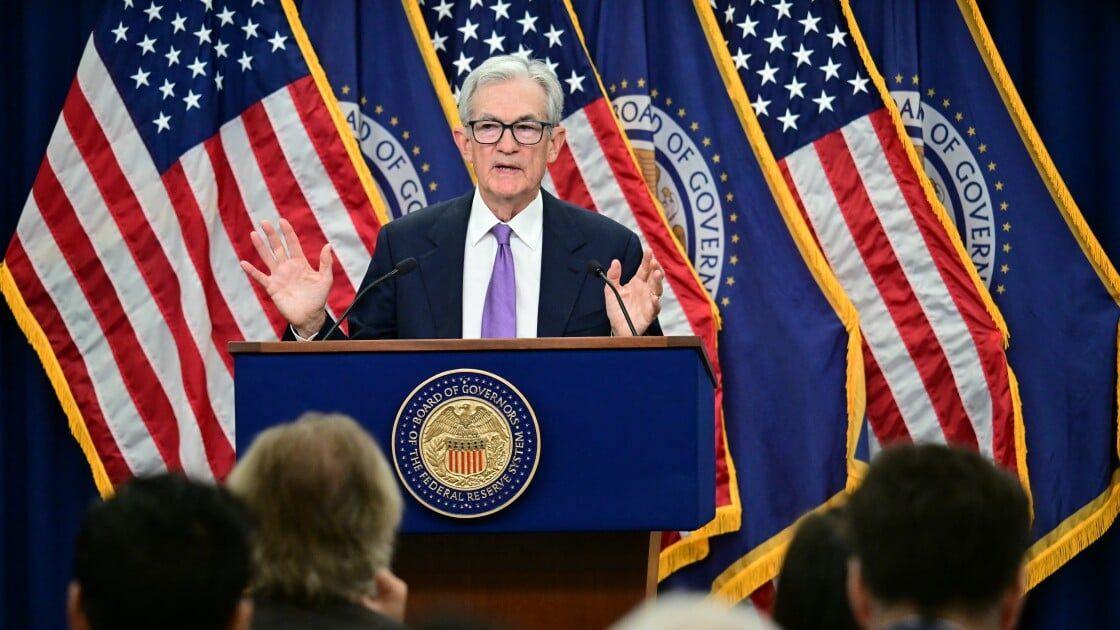
Federal Reserve Chair Jerome Powell drew a sharp distinction between today's artificial intelligence investment surge and the dot-com bubble of the late 1990s during a press conference following the Fed's latest policy meeting. When asked about potential parallels to the speculative frenzy that preceded the dot-com crash, Powell was emphatic: "This is different"
1
.
Source: PC Magazine
Powell's reasoning centers on fundamental business metrics that were absent during the dot-com era. "If you go back to the '90s and the dot-com [era], these were ideas rather than companies," he explained. "So, there's a clear bubble there. Whereas [today's top performers] actually have earnings, and it looks like they have business models and profits"
1
. Companies like Amazon, which reported $18 billion in profit last quarter, demonstrate the revenue streams that distinguish current AI leaders from their dot-com predecessors1
.Massive Infrastructure Investments Drive Economic Growth
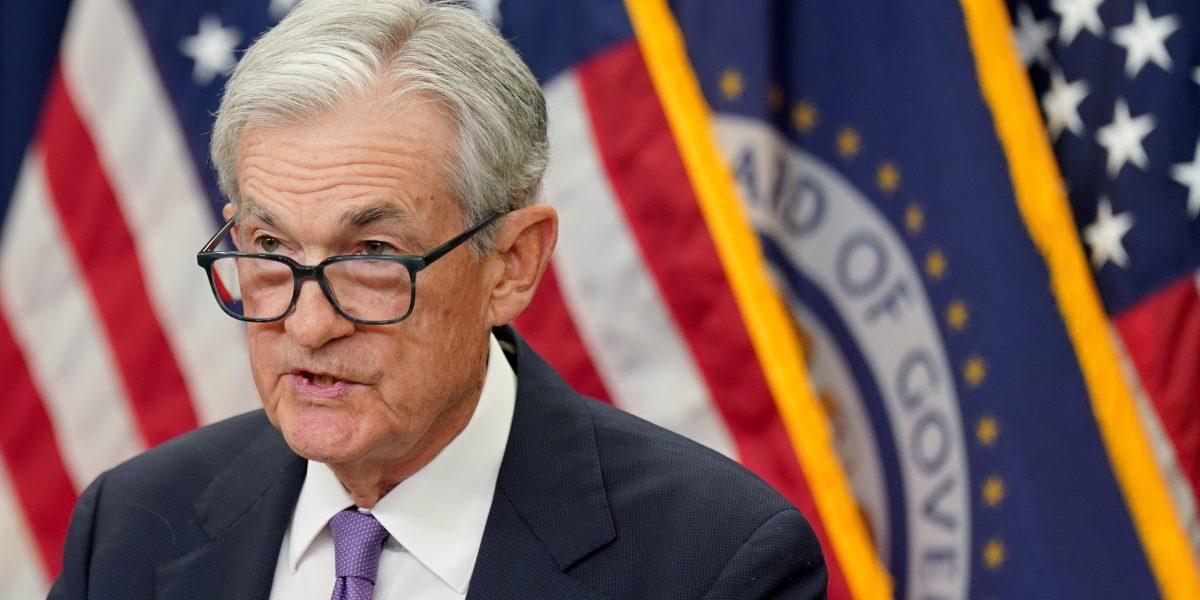
The scale of AI-related capital expenditures has reached unprecedented levels, with tech giants demonstrating their commitment through concrete financial commitments. Recent earnings reports revealed that Alphabet, Meta, and Microsoft combined spent $78 billion on capital expenditures in the third quarter alone, representing an 89% increase from the previous year
5
. Google raised its 2025 capital expenditure guidance to $91-93 billion, up from a prior range of $75-85 billion5
.
Source: Fortune
Morgan Stanley estimates that AI hyperscalers plan to invest approximately $3 trillion in data centers and infrastructure through 2028, with roughly half funded through cash flows
5
. This investment wave includes major projects like OpenAI, Oracle, and Softbank's $500 billion Stargate initiative and Amazon's recent $11 billion data center opening in Indiana1
.Powell acknowledged this spending as "clearly one of the big sources of growth in the economy," noting that data center construction generates temporary business for suppliers and construction companies
1
. JPMorgan estimates that AI-related capital expenditures contributed 1.1 percentage points to GDP growth in the first half of this year, outpacing consumer spending as a growth driver5
.Interest Rate Insensitivity of AI Investments
Unlike traditional business investments, Powell suggested that AI infrastructure spending operates largely independent of Federal Reserve monetary policy. "I don't think the spending that happens to build data centers all over the country is especially interest-sensitive," he stated, explaining that these investments are "based on longer-run assessments that this is an area where there's going to be a lot of investment that's going to drive higher productivity"
5
.This assessment proved accurate as tech giants continued aggressive spending despite rate considerations. Amazon CEO Andy Jassy confirmed the company will "continue to be very aggressive in investing capacity" due to strong demand, while Microsoft's CFO Amy Hood noted that despite tens of billions in recent spending, "we are not" catching up to demand
5
.Related Stories

Employment Concerns Amid AI Transformation
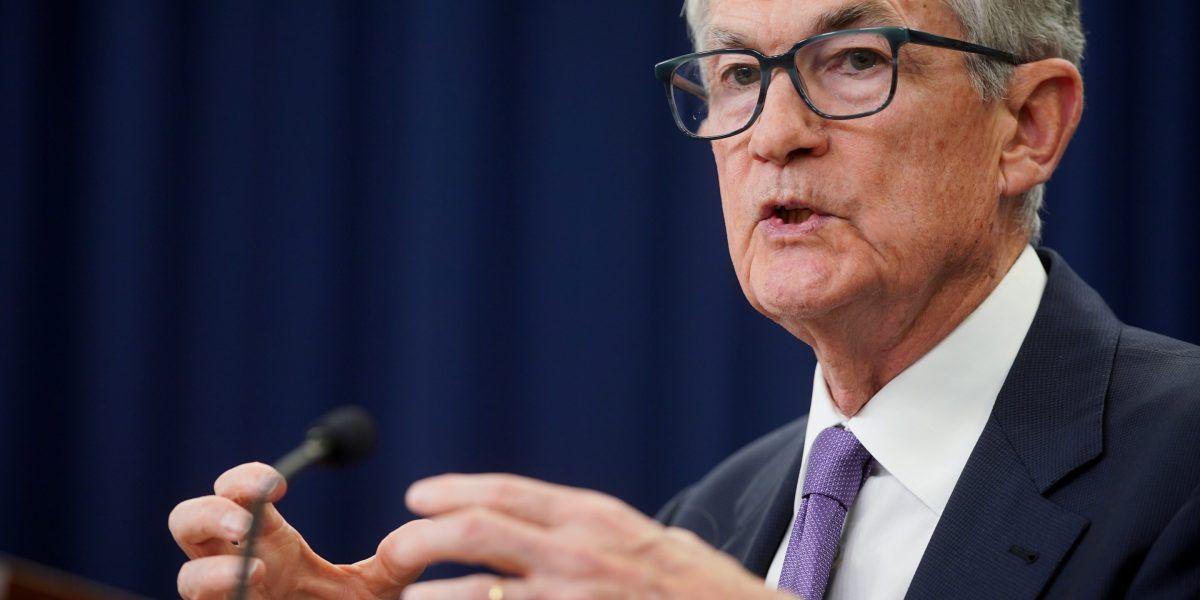
Despite the economic benefits of AI investment, Powell expressed growing concern about its impact on employment. He noted that "a significant number of companies" are announcing hiring freezes or layoffs, with executives frequently citing "AI and what it can do" as justification
4
. Amazon recently laid off 14,000 corporate employees, with projections suggesting this could reach 30,000 by 2026, while Meta cut 600 employees despite investing $14.3 billion in AI initiatives1
.
Source: Fortune
Powell acknowledged it's "too soon to tell" whether AI is contributing to layoffs but emphasized this as an area the Federal Reserve is "watching very carefully"
1
. The employment effects contribute to what Powell described as a "bifurcated economy," where high-income consumers continue spending while lower-income consumers tighten their belts1
.References
Summarized by

Navi
[2]
Related Stories
Fed Officials Clash Over AI Investment Risks as Spending Reaches $2.4 Trillion
05 Aug 2026•Policy and Regulation

Federal Reserve struggles to predict AI's impact on jobs and inflation as divide emerges
25 Feb 2026•Business and Economy
Federal Reserve governors warn AI could trigger unemployment spike that monetary policy can't fix
18 Feb 2026•Policy and Regulation

Recent Highlights



Recent Highlights
Today's Top Stories





Don’t drown in AI news. We cut through the noise - filtering, ranking and summarizing the most important AI news, breakthroughs and research daily. Follow topics that matter to you and stay ahead.


