FERC Addresses Challenges of Co-locating AI Data Centers with Power Plants


4 Sources
[1]
U.S. Regulators Mull Issues Around Siting Data Centers at Power Plants
NEW YORK (Reuters) - Costs and reliability concerns related to the burgeoning trend of building energy-intensive data centers on the sites of U.S. power plants were the focus of a technical conference held on Friday by the Federal Energy Regulatory Commission. As the technology industry races to
[2]
U.S. regulators mull issues around siting data centers at power plants
NEW YORK (Reuters) - Costs and reliability concerns related to the burgeoning trend of building energy-intensive data centers on the sites of U.S. power plants were the focus of a technical conference held on Friday by the Federal Energy Regulatory Commission. As the technology industry races to
[3]
U.S. regulators mull issues around siting data centers at power plants
NEW YORK, Nov 1 (Reuters) - Costs and reliability concerns related to the burgeoning trend of building energy-intensive data centers on the sites of U.S. power plants were the focus of a technical conference held on Friday by the Federal Energy Regulatory Commission. As the technology industry
[4]
Top US Power Regulator Sees Data Centers as Critical Opportunity
Supporting the development of data centers -- including providing the enormous amounts of electricity they require -- is a matter of national security, a top federal energy regulator said. Willie Phillips, chairman of the Federal Energy Regulatory Commission, said artificial intelligence and
Share
Copy Link
The Federal Energy Regulatory Commission (FERC) held a technical conference to discuss the costs and reliability concerns associated with building energy-intensive data centers at U.S. power plant sites, as the tech industry races to deploy AI infrastructure.

FERC Addresses Co-location of AI Data Centers and Power Plants
The Federal Energy Regulatory Commission (FERC) recently held a technical conference to address the growing trend of co-locating energy-intensive data centers with U.S. power plants. This development comes as the technology industry races to deploy infrastructure necessary for advanced technologies like generative artificial intelligence (AI)
1
.The Drive for Co-location
Co-location, the practice of connecting data centers directly to power plants, has emerged as a swift solution to access large amounts of electricity. This approach bypasses the lengthy process of connecting to the broader grid, which can take years
2
.FERC Chairman Willie Phillips emphasized the importance of nurturing these developments, stating, "I believe that the federal government, including this agency, should be doing the very best it can to nurture and foster their development." Phillips added that AI centers are vital to national security and the country's economy
3
.Concerns and Challenges
Despite the potential benefits, the co-location trend has raised several concerns:
-
Increased Power Bills: There are worries that co-located centers might lead to higher electricity costs for everyday consumers by utilizing grid infrastructure and services funded by the public.
-
Reliability Issues: Questions have been raised about the impact on grid reliability. Co-located data centers might divert steady power from the grid or potentially drain electricity from the system if the neighboring power plant experiences downtime.
-
Regulatory Uncertainties: Commissioner Mark Christie highlighted a crucial question: "Does the customer get to still draw power from the grid? Because if it does, that's going to have a huge impact"
1
.
Related Stories

Potential Outcomes and Ongoing Disputes
The technical conference could result in new guidelines addressing:
- Cost Responsibility: Clarifying who bears certain costs related to co-located data centers.
- Governance: Establishing how these centers are managed and regulated.
FERC is also examining a regulatory dispute involving a co-located Amazon data center at a Talen Energy nuclear power plant in Pennsylvania. Utilities Exelon and American Electric Power are opposing Talen's interconnection agreement for the center. The FERC's decision on this matter could set a precedent for similar arrangements in the future
2
.National Security Implications
Willie Phillips, chairman of FERC, emphasized that supporting the development of data centers, including providing the massive amounts of electricity they require, is a matter of national security. He stated that artificial intelligence and related technologies hold "generational significance" and should be developed within the United States
4
.References
Summarized by

Navi
[2]
Related Stories
US AI Task Force Co-Chair Urges FERC to Support Co-Located Data Centers for AI Development
07 Dec 2024•Policy and Regulation

FERC orders grid operators to fast-track AI data centers while shielding consumers from costs
18 Jun 2026•Policy and Regulation
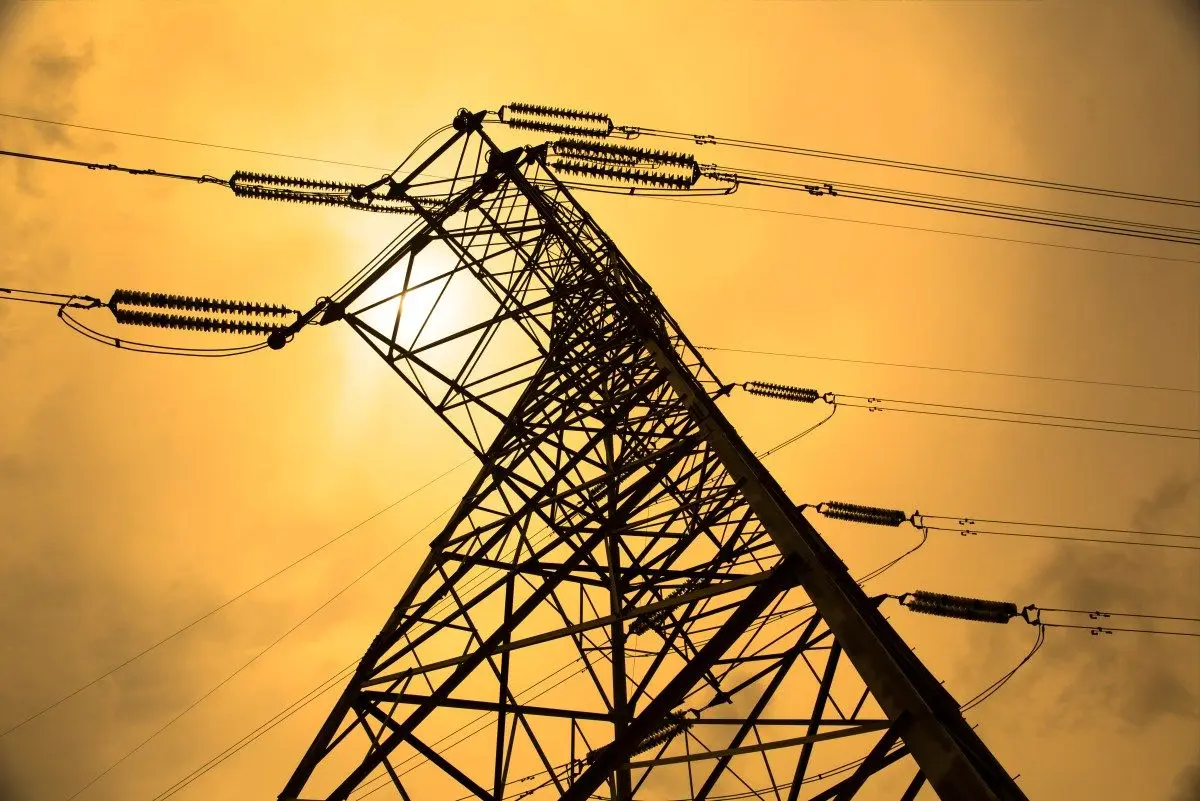
AI Data Centers Strain US Power Grid, Raising Concerns for Future Reliability
14 Mar 2025•Technology
Recent Highlights



Recent Highlights
Today's Top Stories





Don’t drown in AI news. We cut through the noise - filtering, ranking and summarizing the most important AI news, breakthroughs and research daily. Follow topics that matter to you and stay ahead.


