Trump Administration Proposes Fast-Track Grid Connection for AI Data Centers


3 Sources
[1]
New Trump Administration Energy Rule Would Enable Data Centers with 'Large Loads'
Data centers are being built with unprecedented gusto all over the U.S. The reason for this is fairly well known: the AI business requires gargantuan amounts of electricity and computing power. Every time you use an app like DALL-E to, say, make one of those dumb AI-generated images of Mickey Mouse
[2]
DOE's latest move the most direct yet to smooth data centers' path
Why it matters: It's Trump officials' most direct move yet to smooth the bureaucratic path for AI data centers -- and power sources serving them -- to come online. Catch up quick: Wright, in a letter released Friday, urged FERC to assert jurisdiction over "large loads" that link directly to
[3]
Trump administration pushes to get AI data centers on the grid faster
The Trump administration issued a proposal late Thursday that aims to help AI data centers get connected to the electric grid more quickly. Energy Secretary Chris Wright sent the proposal to the Federal Energy Regulatory Commission (FERC) that he hopes will accelerate the connection of data
Share
Copy Link
Energy Secretary Chris Wright unveils a plan to accelerate the connection of AI data centers to the electrical grid, aiming to boost American AI innovation and manufacturing. The proposal faces potential challenges from utilities and raises concerns about energy consumption and climate impact.
Trump Administration's Bold Move for AI Infrastructure
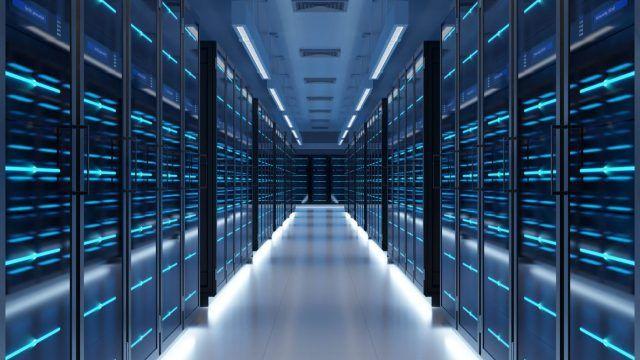
The Trump administration has unveiled a significant proposal aimed at accelerating the connection of AI data centers to the electrical grid. Energy Secretary Chris Wright has directed the Federal Energy Regulatory Commission (FERC) to initiate rulemaking procedures that would expedite the process for large loads, particularly data centers, to connect to the transmission system
1
2
.
Source: The Hill
The Driving Force: AI's Insatiable Appetite for Power
The push for this regulatory change comes as a response to the booming AI industry's unprecedented demand for electricity. Data centers, which form the backbone of AI infrastructure, require enormous amounts of power. For context, a single use of an AI application like DALL-E can consume as much energy as charging an iPhone
1
.
Source: Gizmodo
Key Aspects of the Proposal
Wright's proposal includes several noteworthy elements:
- Limiting the review time for connection decisions to 60 days
1
. - Urging expedited consideration for projects that are "curtailable and dispatchable"
2
. - Asserting FERC jurisdiction over "large loads" that link directly to interstate transmission
2
.
Potential Winners and Losers
According to analysis by Capstone LLC, the plan could benefit:
- Nuclear plant owners interested in co-location agreements with data centers
- Gas turbine makers
- Onsite power technology players
2
However, for-profit utilities may oppose rules allowing large loads to self-fund or build interconnection-related network upgrades, as it could prevent inclusion of this infrastructure in their rate base
2
.Bipartisan Support and Potential Challenges
Initially, the proposal seems to have garnered bipartisan support. David Rosner, a Democratic FERC commissioner, and Allison Clements, a former Democratic FERC member, have expressed positive sentiments about the initiative
2
.However, challenges may arise:
- Legal battles over state jurisdiction
- Opposition from for-profit utilities
- Concerns about energy consumption and climate impact
3
Related Stories
The Race for AI Dominance
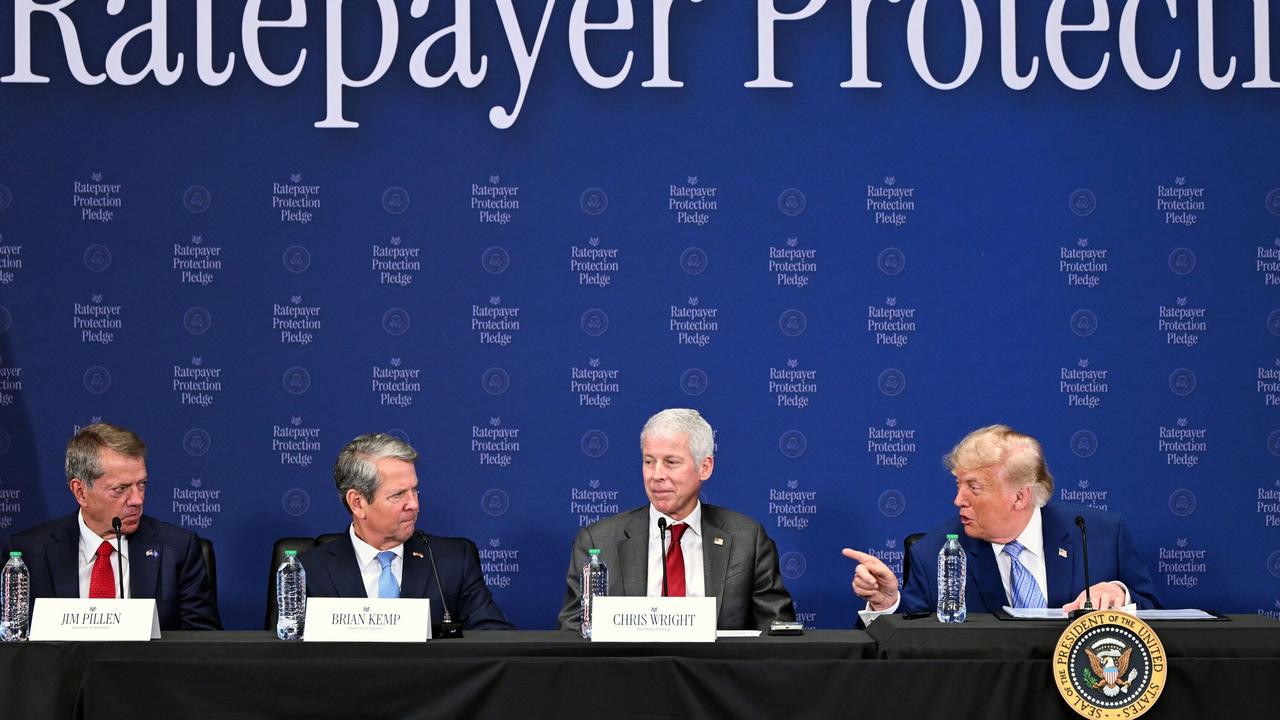
The administration's support for growing data centers is part of a broader strategy to win the AI race against China and stimulate economic growth. However, critics warn that the increased demand for power could lead to higher fuel costs and exacerbate climate change
3
.
Source: Axios
Next Steps
Wright has requested FERC to complete a final rule by April 30, 2026, an ambitious timeline for such a significant change
2
. As the proposal moves forward, stakeholders will be closely watching the development of specific rules and their potential impact on the energy sector and AI industry.References
Summarized by

Navi
Related Stories
FERC orders grid operators to fast-track AI data centers while shielding consumers from costs
18 Jun 2026•Policy and Regulation
US Department of Energy Identifies 16 Federal Sites for AI Data Center Development
04 Apr 2025•Technology

Big Tech Signs Pledge to Pay AI Data Center Energy Costs, But Will It Protect Consumers?
04 Mar 2026•Policy and Regulation
Recent Highlights



Recent Highlights
Today's Top Stories






Don’t drown in AI news. We cut through the noise - filtering, ranking and summarizing the most important AI news, breakthroughs and research daily. Follow topics that matter to you and stay ahead.


