FERC orders grid operators to fast-track AI data centers while shielding consumers from costs


9 Sources
[1]
AI data centers just got a government-mandated fast lane to the grid
The Federal Energy Regulatory Commission (FERC) told grid operators on Thursday to fast track interconnection requests from data centers and other large electricity users. Under the orders, six major grid operators have to show that data centers are "able to connect to the transmission system in a
[2]
US energy regulator to order grid operators to expedite AI data center applications -- says projects should bring their own power or cut usage during high demand
The federal government wants more data centers to come online -- as long as they do not impact the electricity supply. The U.S. Federal Energy Regulatory Commission (FERC) is taking steps to ensure that AI data center operators are connected to the grid as quickly as possible. According to
[3]
Federal regulators back Trump's plan to speed power to energy-hungry AI data centers
Federal regulators on Thursday agreed to let large energy users connect more quickly to the nation's inefficient and electric transmission system to accommodate surging demand from power-hungry artificial intelligence data centers. Energy Secretary Chris Wright had urged the Federal Energy
[4]
Federal Energy Regulator Seeks to Limit Conflicts Over Data Centers
The Federal Energy Regulatory Commission directed grid managers to make changes that protect individuals from higher electricity bills while giving data centers access to power faster. A federal energy regulator on Thursday adopted guidelines that it said would help protect individuals from
[5]

A Federal Regulator Wants to Fast-Track AI Data Centers Onto the Power Grid
It seems like a major U.S. energy regulator is trying to have it all. It wants grid operators to move faster in connecting power-hungry data centers, while also keeping costs down for regular consumers. The Federal Energy Regulatory Commission (FERC) today issued orders to the six major regional
[6]

Energy regulators push for faster AI data center grid connections
Why it matters: The Federal Energy Regulatory Commission's orders aim to enable the AI boom, but without making power grids less reliable or raising consumer costs. * The move takes place as tech giants are thirsty for power to fuel AI, but political and community backlash to massive new data
[7]

Regulators back Trump's plan to power AI data centers faster with grid connections
Energy Secretary Chris Wright had urged the Federal Energy Regulatory Commission to act in an effort to help the United States better compete with China for superiority in the fast-growing AI sector. Tech companies and data center developers have welcomed the chances for faster connections to the
[8]

Regulators greenlight plan for quick AI data center grid connections
Federal regulators on Thursday took steps aimed at both speeding up the buildout of AI data centers and reducing costs. The Federal Energy Regulatory Commission (FERC) directed regional electric grid operators to reform various processes related to the connection of these and other large sources
[9]

U.S. Federal regulators order grid operators to speed power to energy-hungry AI data centres
WASHINGTON -- U.S. Federal regulators on Thursday ordered regional grid operators to help large energy users connect more quickly to the nation's inefficient and aging electric transmission system, a step they said is needed to accommodate surging demand from power-hungry artificial intelligence
Share
Copy Link
The Federal Energy Regulatory Commission unanimously directed six major grid operators to expedite connections for AI data centers while ensuring regular consumers don't shoulder infrastructure costs. Grid operators have 60 days to justify current rules or file changes, and 30 days to report spare capacity as electricity demand from data centers threatens to triple by 2035.
FERC Takes Unprecedented Action on Grid Access
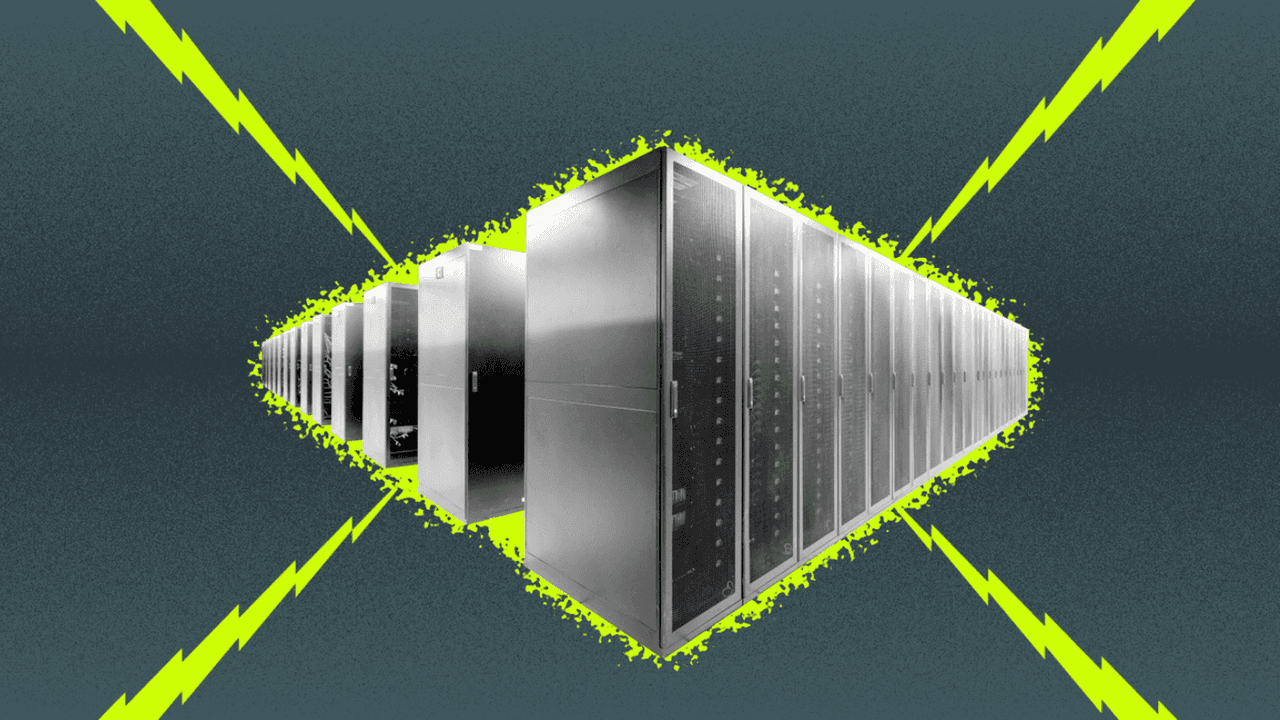
The Federal Energy Regulatory Commission (FERC) issued orders Thursday directing six major grid operators to fast-track AI data centers and other large electricity users to the power grid
1
. The unanimous decision requires operators to prove that power-hungry data centers can "connect to the transmission system in a timely and orderly manner" while protecting regular consumers from cost increases3
. FERC Chairman Laura Swett called it "historic action" that would push the country's electricity market into the future3
.
Source: Axios
The orders target PJM Interconnection, Midcontinent Independent System Operator, Southwest Power Pool, California Independent System Operator, ISO New England, and the New York Independent System Operator
5
. These grid operators now have 60 days to either defend or revise their interconnection requests processes, and 30 days to submit reports detailing available generating capacity1
.Addressing Surging Energy Demands of AI
The move responds to mounting pressure from Energy Secretary Chris Wright, who warned in October that grid connection delays threatened U.S. competitiveness in AI against China
1
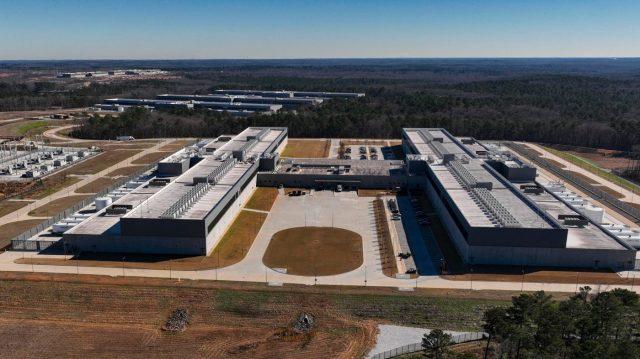
. Electricity demand from data centers currently accounts for about 5% of U.S. consumption but could triple through 20351
3
. In Virginia, AI-driven electricity demand from data centers already represents over 25% of total demand and could exceed 40% by 20303
.
Source: The Hill
Tech companies including xAI, Google, Microsoft, Meta, Oracle, OpenAI and Amazon have signed the Trump administration's Ratepayer Protection Pledge, committing to build or buy new power generation and cover infrastructure upgrade expenses
3
. The pledge also requires making backup generation available during emergencies to prevent blackouts.Grid Capacity Crisis and Rising Costs
While FERC's directives expedite power connections for AI data centers, they don't address the fundamental shortage of generating capacity
1
. At the end of 2023, interconnection requests for new power plants exceeded the total capacity of the existing fleet, meaning the connection queue was longer than the grid could theoretically serve1
. Grid operators accustomed to near-zero demand growth over two decades have strained under the load, with PJM Interconnection descending into "something resembling chaos" as major utilities threatened to withdraw1
.PJM Interconnection, the largest power grid operator in the U.S., raised power costs by 75.5%, largely blamed on AI data centers
2
. Maryland filed a complaint with FERC after PJM planned to charge the state $2 billion for infrastructure upgrades needed for projects providing no direct benefit2
. Wholesale electricity rates have surged as much as 267% compared with five years ago, according to Bloomberg .Related Stories

Consumer Protection and Alternative Solutions
FERC's orders require AI data centers to pay full costs of grid interconnection, preventing expense shifts to regular consumers
4
. The commission also directed grid operators to accommodate behind-the-meter power for data centers and consider "alternative transmission technologies" like solid-state transformers or superconducting transmission lines1
. Projects that bring their own power, are built near generation sources, or can curtail demand during high-stress periods will receive priority for faster connections2
.Unable to secure timely grid connections, tech companies have increasingly turned to on-site power generation, though this approach is typically more expensive and complicated
1
. FERC Commissioner David Rosner specified that any studies to implement these changes must be completed within 90 days2
.Growing Public Opposition
Despite federal efforts to accelerate development, public sentiment toward AI data centers has soured considerably
1
. A Gallup survey conducted in March found that seven in 10 Americans oppose constructing data centers for artificial intelligence in their local area, with 48% strongly opposed5
. About 46% expressed great concern about environmental impacts, including water consumption in drought zones and noise pollution in rural areas2
5
.
Source: Gizmodo
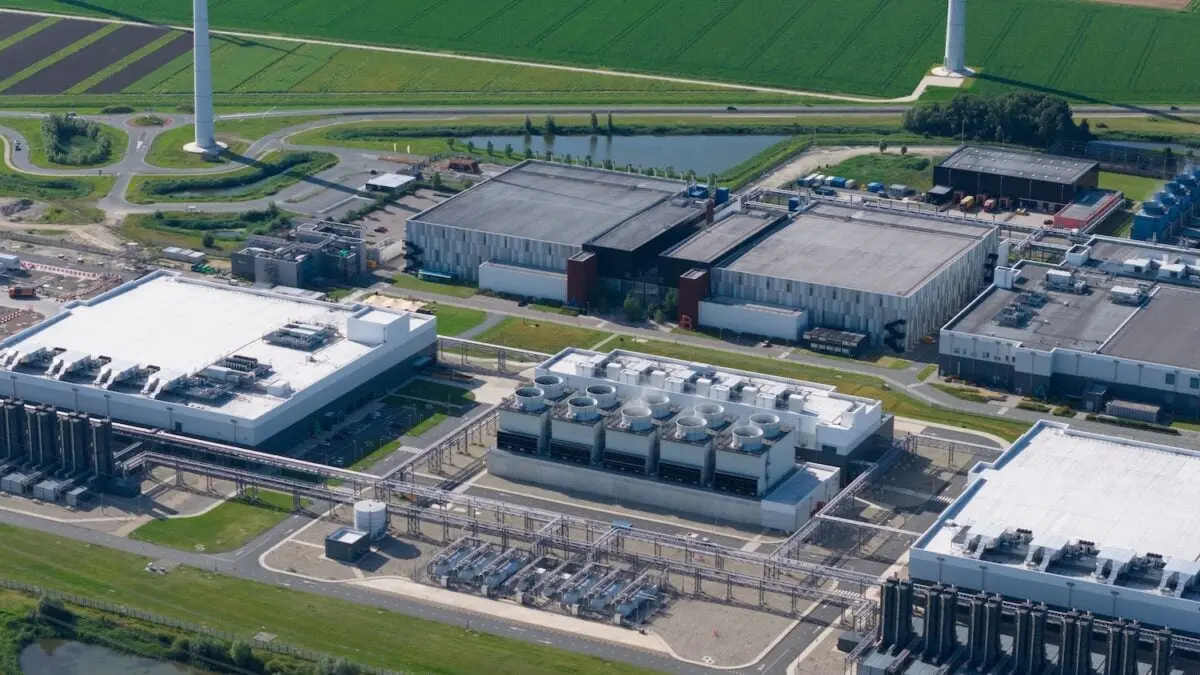
More than 4,000 data centers now operate in the U.S., with an additional 3,000 planned or under construction
3
. Some facilities consume more energy than small cities—Kevin O'Leary's planned Utah project expects to eventually generate and consume up to 9 gigawatts, roughly double the state's current total electricity consumption5
. Grid reliability concerns and rising costs will likely make data centers a major issue in November elections4
.References
Summarized by

Navi
[2]
Related Stories
Trump Administration Proposes Fast-Track Grid Connection for AI Data Centers
25 Oct 2025•Policy and Regulation

FERC Addresses Challenges of Co-locating AI Data Centers with Power Plants
02 Nov 2024•Technology

Trump Expands Ratepayer Protection Pledge as AI Data Centers Drive Electricity Costs Higher
22 Jul 2026•Policy and Regulation

Recent Highlights



Recent Highlights
Today's Top Stories






Don’t drown in AI news. We cut through the noise - filtering, ranking and summarizing the most important AI news, breakthroughs and research daily. Follow topics that matter to you and stay ahead.


