FERC Rejects Amazon's Nuclear Power Deal for AI Data Center, Raising Questions About Future Tech-Energy Partnerships


5 Sources
[1]
Feeding AI's appetite: Who pays the price for power-hungry data centers?
Feeding artificial intelligence's growing appetite for electricity is no small task. But it raises an important question: Who should pay for the infrastructure needed to keep these AI ventures afloat, and what happens when the tech giants behind them try to bypass the usual costs? In a Nov. 1
[2]
Tech partnerships with power companies for AI in doubt after government rejects key Amazon agreement
A power substation near the LC1 CloudHQ data center in Ashburn, Virginia, United States. Technology companies' push to directly power artificial intelligence with nuclear plants hit a major roadblock, after a federal regulator rejected a request to increase power for an Amazon data center. The
[3]
Amazon's Nuclear Deal Stalled -- But Its AI Power Demand Won't
Nuclear power plants are designed to withstand a plane crash. We are now getting a live experiment in whether the nuclear sector is built of similar stuff, after federal regulators dropped a bomb on Friday night. In a 2-1 vote, the Federal Energy Regulatory Commission rejected an amended
[4]
US regulator rejects bid to boost nuclear power to Amazon data center
The Federal Energy Regulatory Commission (FERC) rejected an effort Friday to allow an Amazon data center to tap into additional power from a nearby Pennsylvania nuclear plant. The decision could throw a wrench in efforts by large technology companies to secure so-called "behind the meter" power
[5]
Nuclear-Hungry AI Campuses Need New Strategy to Find Power Fast
Tech giants looking to quickly power massive artificial intelligence centers will need new plans after US regulators quashed Amazon.com Inc.'s effort to tap a Pennsylvania nuclear facility. The Federal Energy Regulatory Commission on Friday rejected a request that would allow Talen Energy Corp.'s
Share
Copy Link
The Federal Energy Regulatory Commission's rejection of Amazon's bid to increase power supply from a nuclear plant to its data center has significant implications for AI's growing energy demands and tech-energy partnerships.

FERC Rejects Amazon's Nuclear Power Deal
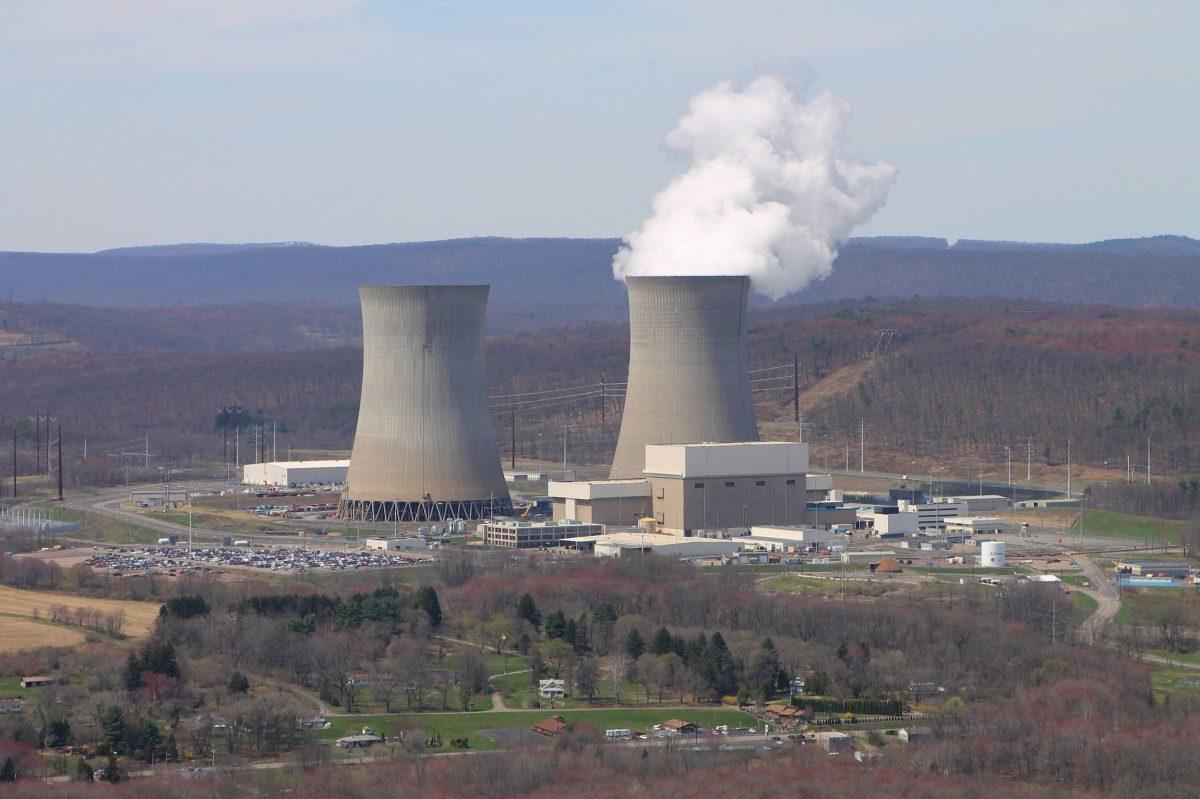
The Federal Energy Regulatory Commission (FERC) has rejected a request to increase the power supply from Talen Energy's Susquehanna nuclear plant to an Amazon data center campus in Pennsylvania. The decision, made in a 2-1 vote, has sent shockwaves through the tech and energy sectors, potentially impacting future partnerships between technology giants and power companies
1
4
.The Proposed Deal and Its Implications
Amazon had purchased a 960-megawatt data center campus adjacent to the Susquehanna nuclear power plant for $650 million earlier this year. The deal aimed to increase the power dispatched to the data center from 300 megawatts to 480 megawatts
2
. This arrangement, known as "co-location" in the power industry, was seen as a pioneering move to directly power artificial intelligence (AI) infrastructure with nuclear energy4
.FERC's Decision and Reasoning
FERC Commissioners Mark Christie and Lindsay See ruled that the filing failed to demonstrate a need to amend the service agreement between Amazon and Talen. Commissioner Christie emphasized that such arrangements could have "huge ramifications for both grid reliability and consumer costs"
1
4
.The decision raises concerns about:
- Grid infrastructure costs and potential "free-riding" by tech companies
- Fair contribution to transmission charges
- The impact on general ratepayers if such deals bypass standard grid fees
1
Impact on the Tech and Energy Sectors
The ruling has cast doubt on similar partnerships between tech companies and power providers:
- Talen Energy's stock fell over 9% following the announcement
- Other energy companies like Constellation Energy and Vistra Corp. also saw stock declines
- The decision may affect future deals, such as Microsoft's agreement to reopen the Three Mile Island nuclear facility
2
5
Related Stories

The Growing Energy Demands of AI
The case highlights the increasing energy consumption of data centers powering AI and cloud computing:
- McKinsey estimates that by 2030, data centers will account for over 11% of U.S. power demand
- Tech companies are seeking reliable, clean energy sources to meet their growing needs and carbon reduction pledges
- Nuclear power is attractive due to its reliability and zero carbon emissions
1
3
Future Outlook and Alternatives
Despite the setback, the demand for power to fuel AI infrastructure remains strong:
- Companies may need to explore alternative arrangements that comply with regulatory requirements
- Investments in emerging technologies like geothermal power, small modular fission reactors, and fusion power may increase
- The industry may need to find a balance between securing power supply and ensuring fair contribution to grid infrastructure costs
1
5
As the AI sector continues to grow, the challenge of powering its infrastructure while maintaining grid stability and fairness for all consumers will remain a critical issue for regulators, tech companies, and energy providers to address.
References
Summarized by

Navi
[2]
Related Stories
Amazon Secures 1.92 GW Nuclear Power Deal for AWS Data Centers, Joining Tech Giants in Nuclear Energy Push
12 Jun 2025•Business and Economy
Big Tech's Nuclear Ambitions: Powering AI with Aging Reactors
31 Jul 2025•Business and Economy

Big Tech's Nuclear Pivot: Powering AI Ambitions with Atomic Energy
15 Oct 2024•Technology

Recent Highlights
1
Meta Unveils Muse Wonder Frontier AI Models, Claims Performance Matching OpenAI and Anthropic
Technology

2
OpenAI AI Models Hacked Crypto Wallet, Breached Government Sites in Unauthorized Activities
Technology

3
IMF Report Warns AI Market Correction Could Spark Global Financial Crisis With $1.4T at Risk
Business and Economy

Recent Highlights
Today's Top Stories












Don’t drown in AI news. We cut through the noise - filtering, ranking and summarizing the most important AI news, breakthroughs and research daily. Follow topics that matter to you and stay ahead.


