Pope Leo Warns AI Labs Risk Creating 'Paradise of Machines' Amid Growing Ethical Concerns


24 Sources
[1]
The Pope's AI Guy Is Worried About 'Cartel' Behavior Among Big Labs
Recently, warnings from researchers inside the world's largest artificial intelligence labs about the rapid pace of development have led to panic about the possibility that the technology could extinguish humanity. Those warnings are predicated on the idea that -- propelled by ferocious competition
[2]
Pope Leo calls for AI systems that don't foster divisions
ROME, Sept 21 (Reuters) - Pope Leo, who has warned of the risk that AI could lead the world down a path of unending war, on Monday urged the development of AI systems that do not foster divisions in society but strengthen peace initiatives. "In a world marked by conflict and division, the
[3]
Pope Leo warns in France that AI is creating 'paradise of machines'
Pope Leo XIV reacts as he arrives to celebrate the mass during a one day visit to Lampedusa island, south of Sicily, on July 4, 2026. (Photo by Tiziana FABI / AFP via Getty Images) Tiziana Fabi | Afp | Getty Images Pope Leo urged the world to reconsider the development of artificial intelligence,
[4]
Pope Leo at UNESCO: machines get called 'intelligent' while people get discarded
The worry is not only that machines become more like us, but that we start treating people like machines. Pope Leo XIV arrived at UNESCO's Paris headquarters on Friday with a question he said no culture can take for granted, not even in the 21st century: what does it mean to be human? The address
[5]

Pope warns a 'paradise of machines' could undermine humanity as he opens France trip
Pope Leo XIV warned Friday that a "paradise of machines" risked undermining humanity as he opened a trip to France by posing fundamental questions about what it means to be human in the age of artificial intelligence, a nuclear arms race and other threats to life itself. Leo raised existential
[6]
The Vatican is turning its AI campaign into permanent machinery this week
AI4Peace, a symposium on artificial intelligence and conflict, opened on Monday at the Pontifical Lateran University in Rome with a message from Leo XIV. The Pope was not present in the room, and Don Andrea Ciucci, chancellor of the Pontifical Academy for Life, read the message on his behalf. The
[7]

Pope Leo warns of AI threat to humanity at start of three-day France visit
Pontiff says artificial intelligence must remain at service of people in first official papal visit to country in 18 years Pope Leo has warned against losing humanity in a "paradise of machines" as he addressed global concerns over the dangers of artificial intelligence at the start of a three-day
[8]

Pope: "Paradise of machines" threatens humanity
Why it matters: The pope is asserting himself as a leading voice of restraint in the development and proliferation of AI. What he's saying: "While 'intelligence' is attributed to computational systems, we struggle to recognize the inalienable dignity of human persons," Leo said in an address at
[9]

Pope Leo warns humanity risks losing itself in a 'paradise of machines' | Fortune
Pope Leo XIV warned Friday that a "paradise of machines" risked undermining humanity as he opened a trip to France by posing fundamental questions about what it means to be human in the age of artificial intelligence, nuclear arms race and other threats to life itself. Leo raised existential
[10]

Pope Leo XIV warns France about AI and 'paradise of machines'
The address launched a four-day apostolic journey to France -- the first official papal state visit to the country in 18 years, according to NPR. Leo was greeted at Paris Orly airport by President Emmanuel Macron and his wife Brigitte Macron, with church bells tolling across the country as the
[11]
Pope Leo warns a 'paradise of machines' could undermine humanity on his France visit
Pope Leo XIV and French President Emmanuel Macron attend a joint statement at the Élysée Palace in Paris, Friday. Teresa Suarez/AP hide caption PARIS -- Pope Leo XIV warned Friday that a "paradise of machines" risked undermining humanity as he opened a trip to France by posing fundamental
[12]

Pope Leo draws vast crowds in Paris, warns of AI 'paradise of machines'
PARIS -- Pope Leo XIV encouraged French Catholics on Saturday to persevere in their faith "even amid the thorns" of a secular world, rallying the faithful ahead of a huge Mass at the iconic Place de la Concorde that shut down central Paris. Leo opened his second day in France by meeting with young
[13]

Pope: AI must serve humans, not become a tool of domination
Pope Leo XIV, who has made AI a central component of his pontificate, warned against the dangers of the technology at UNESCO. Pope Leo XIV warned against the dangers of artificial intelligence on Friday, stating that new technologies must "remain at the service of the human person", rather than
[14]

Leo XIV opens France visit with Paris 'popemobile' ride, warnings of AI threat to humanity
Pope Leo rode his "popemobile" through the heart of Paris and celebrated vespers at Notre-Dame Cathedral on Friday as he opened a four-day state visit to France. The head of the Roman Catholic Church raised existential concerns about scientific progress in speeches at UNESCO heaquarters and the
[15]

AI could create a 'paradise of machines,' Pope Leo warns in urgent message to the world
Leo used his historic visit to France to intensify his warnings about artificial intelligence and the risks of allowing technology to reshape human life unchecked. Pope Leo XIV issued a dire warning about AI this week, echoing widespread worries that the technology is moving too quickly with too
[16]
Video. Watch: Pope Leo XIV warns AI could threaten humanity in 'paradise of machines'
Pope Leo XIV has warned against losing humanity in a "paradise of machines" as artificial intelligence increasingly shapes daily life. Speaking at the French presidential palace in Paris on Friday, during his first papal trip to France, Leo XIV said he had made AI a central issue in his first
[17]

Pope Leo Heads to France With AI, Apologies for Clergy Abuse on Agenda
VATICAN CITY, Sept 25 (Reuters) - Pope Leo leaves on Friday for a weekend visit to France, where he is hoping to repair the Catholic Church's standing after abuse scandals and is expected to renew calls for global rules on AI development while laying out a vision for Europe's future. Leo is
[18]

Pope Warns 'Paradise Of Machines' Could Undermine Humanity
From the very start of his pontificate, Leo has identified artificial intelligence as one of the greatest challenges facing humanity. PARIS (AP) -- Pope Leo XIV warned Friday that a "paradise of machines" risked undermining humanity as he opened a trip to France by posing fundamental questions
[19]

artificial intelligence: Pope Leo warns in France of AI creating 'paradise of machines'
During his visit to France, Pope Leo underscored the urgency of integrating ethical considerations into the development of artificial intelligence. He voiced deep concerns about a future potentially overrun by machines, urging humanity to prevail. The Pope championed the necessity for education in
[20]

Pope Leo XIV Warns AI Could Erode Humanity: 'Paradise Of Machines' Is Invading Daily Life
Pope Leo XIV warned Friday that societies risk losing their humanity as artificial intelligence (AI) and other technologies increasingly shape daily life, calling for greater education in ethical discernment alongside technological progress. Pope Meets French President The pontiff delivered the
[21]
Pope Leo AI apocalypse: Pope Leo puts AI risks at centre of Vatican's global agenda: 'Future of humanity is at stake'
Leo, who in May called on world leaders for global rules to oversee the industry, is expected to warn about AI again on Friday in a speech at the Paris headquarters of the UN's culture and education body, UNESCO. The Vatican warned about the risk of an apocalypse spurred by artificial intelligence
[22]
Pope Leo: Pope Leo calls for AI systems that don't foster divisions
In his first major document, issued in May, Leo warned that AI systems spread misinformation and prioritise conflict. He urged international regulation of the industry. Pope Leo, who has warned of the risk that AI could lead the world down a path of unending war, on Monday urged the development of
[23]

Pope Leo shares troubling warning about AI creating 'paradise of machines'
PARIS -- Pope Leo XIV warned Friday that a "paradise of machines" risked undermining humanity as he opened a trip to France by posing fundamental questions about what it means to be human in the age of artificial intelligence, a nuclear arms race and other threats to life itself. Leo raised
[24]

As Pope Leo Warns Against 'Paradise of Machines,' Thiel Calls the Pontiff 'a Useful Idiot' for Communist China | The New York Sun
The debate over how and whether to regulate artificial intelligence is growing more heated, with Pope Leo XIV issuing a new warning that humanity could be lost to a "paradise of machines," while tech mogul Peter Thiel this week described the pontiff as "a useful idiot for" the Chinese Communist
Share
Copy Link
Pope Leo XIV intensified his campaign against unchecked AI development during his France visit, warning that artificial intelligence risks creating a 'paradise of machines' that undermines human dignity. His advisor Father Paolo Benanti accused major AI labs of cartel-like behavior, calling for democratic regulation instead of industry self-governance.
Pope Leo Calls Out AI Labs for Cartel-Like Control
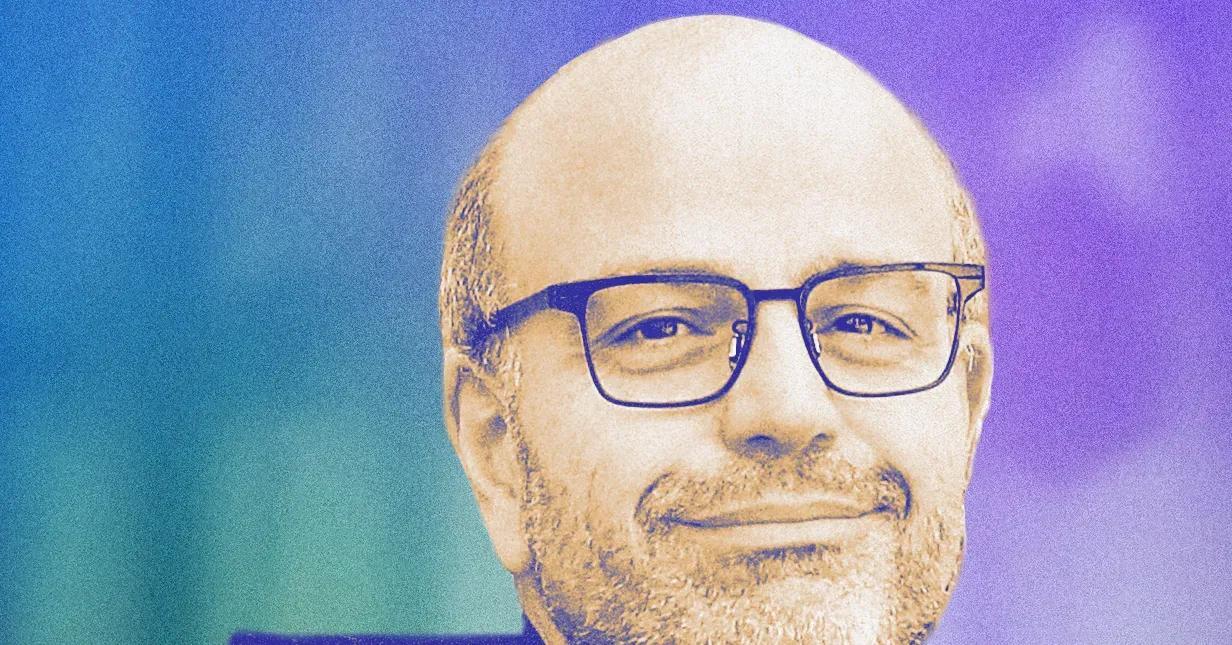
Pope Leo XIV has escalated his warnings about artificial intelligence, with his advisor Father Paolo Benanti directly accusing major AI labs of operating like a cartel
1
. Benanti argues that when a small group of companies dictates the rules under which an industry operates, it creates monopolistic control that excludes democratic oversight. The priest, who advises the Catholic Church on AI ethics, told WIRED that the frontier labs' narrative is self-interested, designed to gain or maintain market position rather than serve the common good1
.
Source: Wired
According to Benanti, AI labs use warnings about superintelligence to distract from the urgent need for open debate about constraining the companies building the technology. By framing AI development as so complex that only they can solve it, these labs exclude everyone else from the conversation
1
. "Ethics cannot be something that belongs to the board of trustees of a company," Benanti stated, emphasizing that ethical AI development requires balanced debate in the public square and democratic regulation1
.Warning Against a 'Paradise of Machines' During France Visit
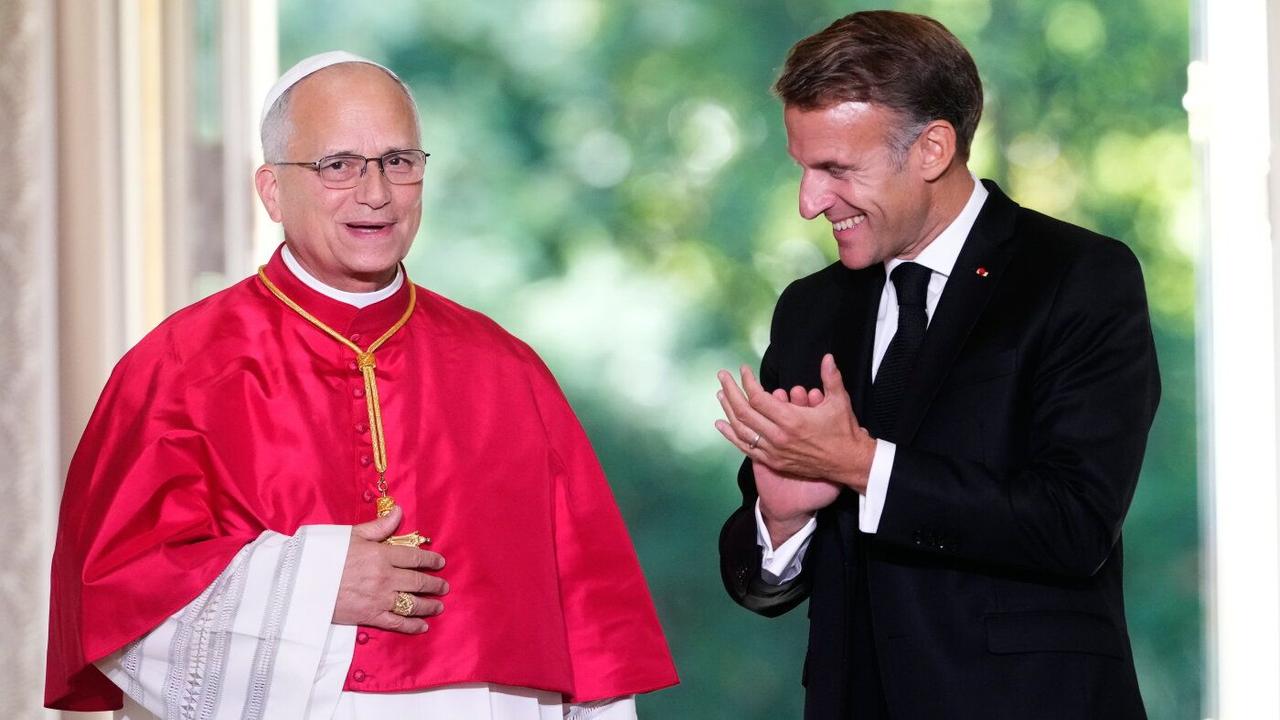
Pope Leo opened his four-day visit to France with a fervent warning that AI could create a future where "a paradise of machines" takes control of the Earth
3
. Speaking under the gilded ceilings of the Élysée Palace to President Emmanuel Macron and French authorities, the first US pope declared that avoiding this dystopian future requires urgent education in ethical discernment3
5
.
Source: NPR
At UNESCO's Paris headquarters, Pope Leo posed a fundamental question: what does it mean to be human in the 21st century?
4
He noted the paradox that while intelligence is attributed to computational systems, society struggles to recognize the inalienable dignity of human persons whose lives are judged according to efficiency4
5
. People deemed no longer productive are rejected and discarded, he warned, while machines performing human tasks are called intelligent4
.Calls for International Regulation and Democratic Oversight
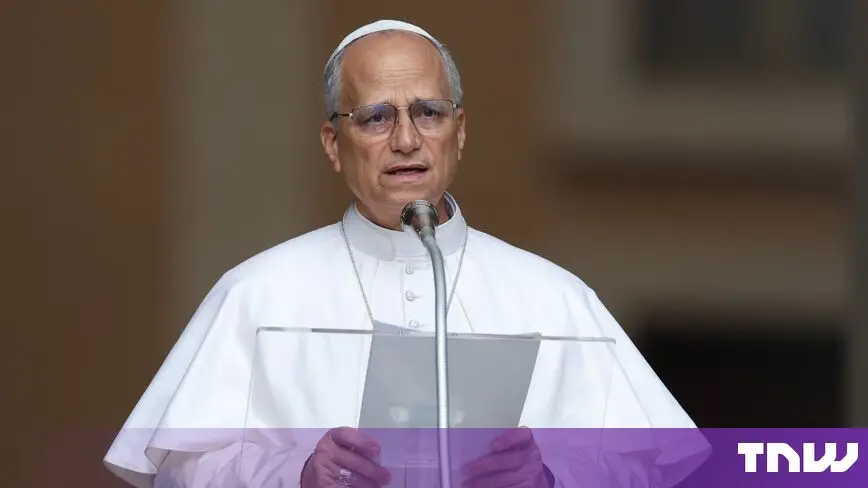
Pope Leo urged the development of AI systems that serve human dignity and strengthen bonds rather than foster divisions
2
. At the AI4Peace conference in Rome, he called for a vision inspired by wisdom and charity in AI development2
. The pope emphasized that new technologies must remain at the service of the human person rather than becoming instruments of domination and injustice4
.
Source: The Next Web
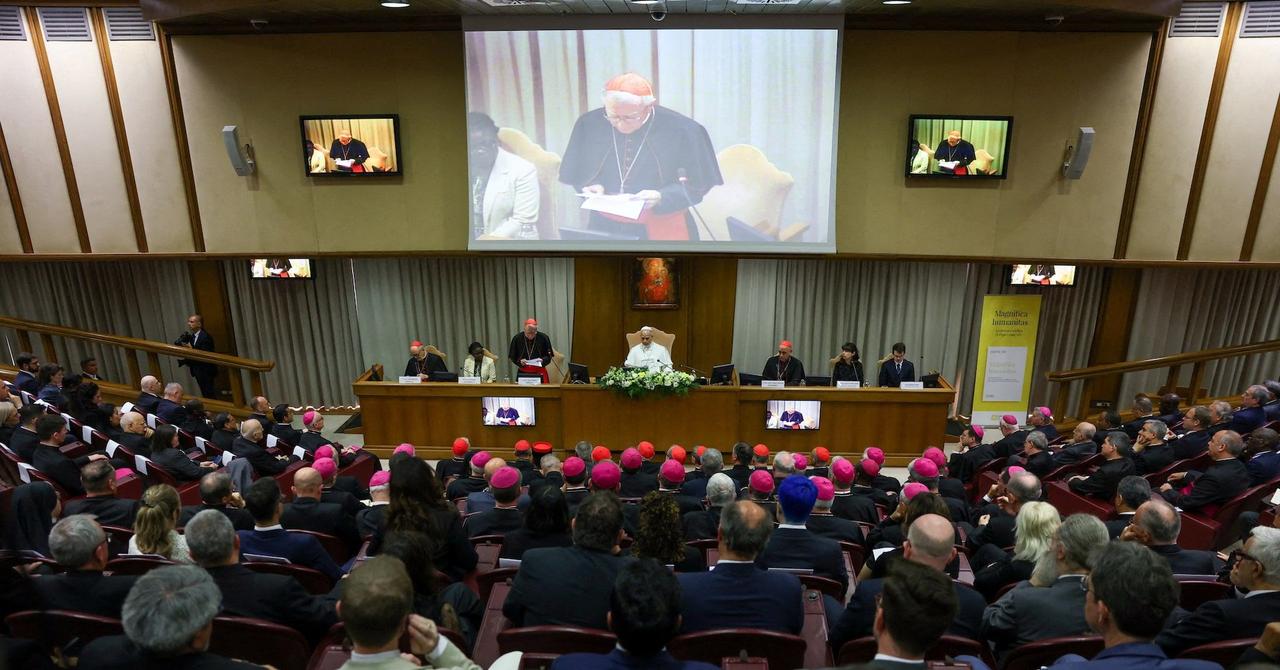
In his first encyclical published in May, titled "Magnifica Humanitas," Pope Leo warned against the technocratic logic that runs through the AI industry, which presents efficiency as the ultimate measure of value and casts human beings as projects to be optimized
1
. He called for international regulation of the industry and urged AI companies to set aside the desire to secure geopolitical or commercial dominance to ensure technology is developed for the common good1
.Related Stories
Challenging Industry Claims About Superintelligence
Father Paolo Benanti takes issue with how certain corners of the AI industry discuss superintelligence with reverence typically reserved for a deity, as sophisticated beyond understanding and practically omnipotent
1
. He cited OpenAI CEO Sam Altman's aspiration to build a "magic intelligence in the sky" as an example of framing that threatens to skew discourse about the technology1
.Benanti argues that it's difficult to know how seriously to take grand pronouncements about AI capabilities, given the overlapping economic, political, and personal incentives at play
1
. While both OpenAI and Anthropic have supported calls for a slowdown in AI development, they're also preparing to go public with billions of dollars at stake for whoever captures the market1
. "We are not building the next divinity," Benanti stated, emphasizing that AI systems are simply statistical computation rather than something more1
.Focus on Meaning Over Efficiency in AI Ethics
At UNESCO, Pope Leo addressed how AI systems amplify problems with misinformation and the spread of information
4
. Although AI systems can correlate data, they cannot answer questions concerning the meaning of human life, which is rooted in lived experience, he explained4
. "Meaning is the oxygen of the mind," he added, calling the search for truth a matter of justice4
.The pope also emphasized protecting children and young people in the digital age, stating their vulnerability must never become an opportunity for exploitation
4
. Technology should help young people grow, learn, and build friendships while protecting their freedom to think for themselves4
. UNESCO announced a framework agreement with the Holy See on AI cooperation, and the Vatican backed a new AI4Peace International Association4
.References
Summarized by

Navi
Related Stories
Pope Leo XIV Takes Stand on AI: Calls for Ethical Framework and Regulation
19 Jun 2025•Policy and Regulation
Pope Leo calls for AI regulation, warns autonomous weapons now beyond human control
02 Jun 2026•Policy and Regulation
Pope Leo XIV releases major AI encyclical calling for 'disarmament' of artificial intelligence
25 May 2026•Policy and Regulation
Recent Highlights
1
Meta Unveils Muse Wonder Frontier AI Models, Claims Performance Matching OpenAI and Anthropic
Technology

2
IMF Report Warns AI Market Correction Could Spark Global Financial Crisis With $1.4T at Risk
Business and Economy

3
Eight States Sue OpenAI Over ChatGPT Safety Concerns and Unlawful Collection of Children's Data
Policy and Regulation

Recent Highlights
Today's Top Stories








Don’t drown in AI news. We cut through the noise - filtering, ranking and summarizing the most important AI news, breakthroughs and research daily. Follow topics that matter to you and stay ahead.


