Figure AI's humanoid robots sort packages for 48 hours straight, then face off against human intern


7 Sources
[1]
The Internet can't stop watching Figure AI's humanoid robots handling packages
The robotics startup Figure AI has been livestreaming humanoid robots placing thousands of packages onto a conveyor belt for nearly a week -- a spectacle that included a robot competing against a human intern at one point. The promotional robot demo has become a viral sensation among tech
[2]
Figure AI humanoids sort 28,000 packages in 24-hour autonomous test
The system also includes automatic recovery mechanisms. Figure AI said if a robot gets stuck or encounters an unfamiliar situation, the AI system can trigger an autonomous reset and resume work without human intervention. "If the robot gets stuck or the AI policy goes out of distribution, Helix
[3]
Figure AI streamed humanoid robots sorting packages for 8 hours straight -- and not everyone is convinced it was fully real
* Figure AI F.03 robots have been sorting packages * An 8-hour livestream showed the bots working autonomously * The view count for the video is currently at 10 million Figure AI keeps setting new challenges for itself and its humanoid robots, and the latest test of these machines' dexterity and
[4]
Helix-02 humanoid robot handles full 8-hour factory work shifts
In a post on X, the California-based robotics startup wrote: "Watch a team of humanoid robots running a full 8-hr shift at human performance levels. This is fully autonomous running Helix-02." The announcement builds on Figure AI's latest Helix-02 system, a unified neural network that allows
[5]
Factory worker defeats humanoid robot in 10-hour package-sorting contest
An intern at U.S. robotics startup Figure AI narrowly beat one of the company's humanoid robots in a 10-hour package-sorting contest livestreamed online. In a post on X last week, Figure AI CEO Brett Adcock said the contest required visualization specialist intern Aime Gerard and humanoid robot
[6]

Figure AI's Helix-02 humanoid robots is pulling full 8-hour factory shifts without human help
Figure AI has made one of the most aggressive claims recently regarding the capabilities of humanoid robots driven by the Helix-02 AI system. According to the company's statement, robots based on the Helix-02 AI system can independently operate for an entire eight-hour shift without any assistance
[7]
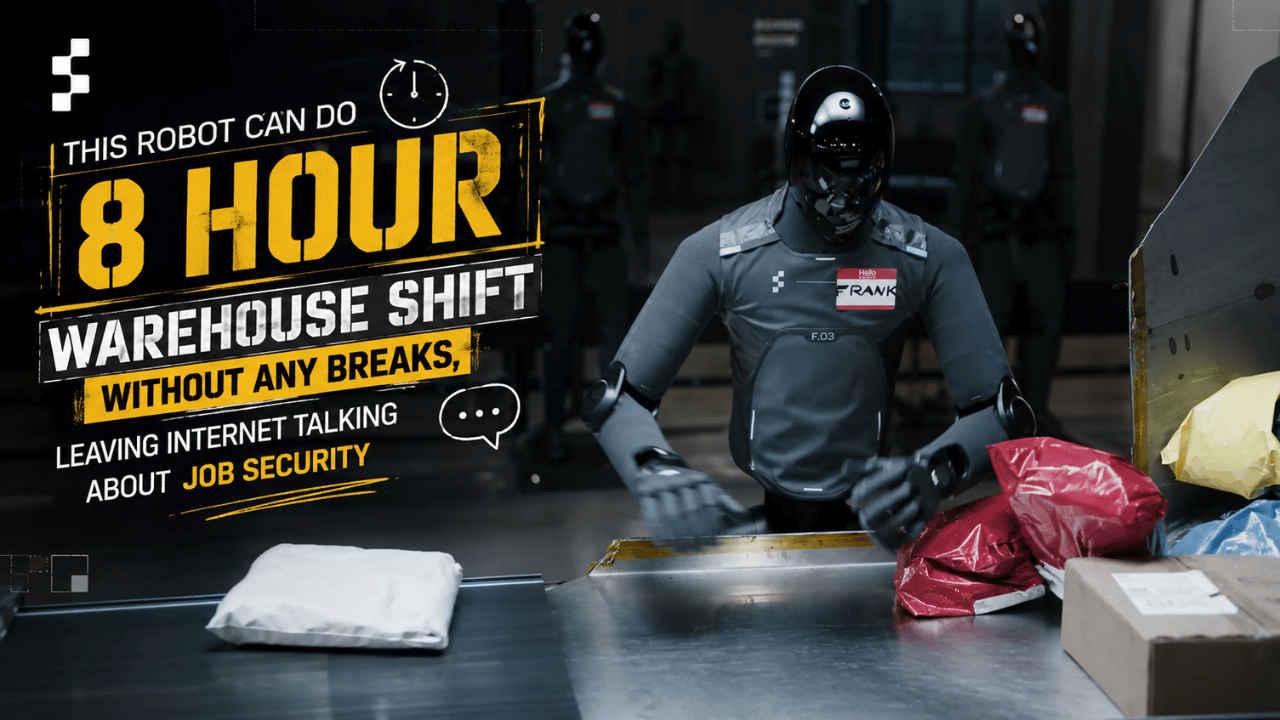
This robot can do 8 hour warehouse shift without any breaks, leaving internet talking about job security
People also noticed the robot was slower and rougher than human workers while handling boxes. American robotics company Figure has shared a new video showing one of its humanoid robots performing manual labour tasks inside a warehouse setting. The robot, called Helix-02, was seen sorting packages
Share
Copy Link
Figure AI turned heads with a viral livestream showing humanoid robots autonomously sorting thousands of packages for days without human intervention. The demonstration culminated in a 10-hour Man vs. Machine challenge where intern Aimé Gérard narrowly defeated Bob the Bot by just 192 packages, highlighting both the impressive progress and remaining limitations of robotic autonomy in real-world factory work.
Figure AI Livestreams Humanoid Robots in Marathon Package Sorting Demo
Figure AI transformed a planned eight-hour robot demonstration into a multi-day viral spectacle that captivated millions of viewers online. Starting on May 13, the robotics startup began livestreaming its Figure 03 humanoid robots performing autonomous package handling at its headquarters, a livestream demonstration that would eventually surpass 48 hours of continuous operation
1
. The robots sorting packages were tasked with inspecting barcodes on various small packages—including cardboard boxes and padded envelopes—before placing them on a conveyor belt with barcodes facing downward. CEO Brett Adcock initially played down expectations, noting that previous demos had lasted just one hour and warning that "high odds something breaks"1
.
Source: Interesting Engineering
The demonstration quickly gained traction, accumulating 10 million views as tech enthusiasts became engrossed in watching the robots work
3
. Viewers began naming individual robots Bob, Frank, Gary, Rose, and Jim, prompting Figure AI to capitalize on the attention by rapidly rolling out robot merchandise featuring the now-famous machines1
. The robots managed to sort 28,000 packages in a 24-hour period, showcasing their potential for extended factory work shifts2
.Helix-02 Powers Robotic Autonomy and Self-Management
The humanoid robots in factories rely on Figure AI's Helix-02 neural network system, which enables full-body control and long-horizon autonomy to direct robotic actions across various tasks
1
. Unlike conventional industrial robots that separate movement and manipulation systems, the Helix-02 humanoid robot uses a unified neural network combining vision, touch sensing, proprioception, and whole-body control into a single learning system2
. Figure's website indicates the robots' whole-body controller system was trained on more than 1,000 hours of human motion data and across more than 200,000 parallel simulation environments1
.
Source: Digit
The system runs entirely onboard each robot's hardware with AI inference done on the device, though the robots remain networked for communication purposes
1
. This networking enables sophisticated autonomous package handling features: robots can request replacements when their batteries run low after three to four hours of operation, or autonomously leave for maintenance when software or hardware issues arise while another robot takes over2
. The AI capabilities include automatic recovery mechanisms—if a robot gets stuck or encounters an unfamiliar situation, Helix-02 triggers an autonomous reset and resumes work without human intervention2
.Man vs. Machine Challenge Reveals Current Performance Gap
On May 17, Figure AI escalated the spectacle by staging a 10-hour Man vs. Machine challenge pitting Bob the Bot against Aimé Gérard, a visualization specialist intern at the company
5
. The contest followed California labor laws, providing Gérard with paid breaks and meal times while the robot operated fully autonomously without remote human control5
. The comparison revealed telling differences in current capabilities: while Gérard moved speedily and precisely, the robots worked at a slower but methodical pace, sometimes spending extra time attempting to pick up packages or grabbing at empty air1
.Gérard ultimately prevailed by sorting 12,924 packages compared to the robot's 12,732 packages—a margin of just 192 packages
5
. The human intern achieved human-level speed at 2.79 seconds per package versus the robot's 2.83 seconds average5
. Adcock later joked that Gérard's "left forearm is basically broken" with fingers covered in blisters, adding that "this is the last time a human will ever win"5
.
Source: Digit
Related Stories

Mixed Reactions Highlight Promise and Limitations of Package Sorting Technology
The demonstrations sparked intense online debate about the readiness of humanoid robots for large-scale deployment. Some viewers described the livestream as "the greatest product demo since Steve Jobs' 'one more thing,'" while others remained skeptical, with some suggesting the robots were being remotely controlled by humans wearing VR headsets
1
. One Reddit user quipped that the bots are "stealing jobs from warehouse workers AND streamers"3
.Ayanna Howard, dean of the College of Engineering at Ohio State University, offered a measured assessment: while the robotic endurance and ability to work for long periods without failure was impressive, accuracy problems indicate the technology isn't ready for large-scale deployment
5
. Howard cited issues including packages being placed barcode-side up and boxes being knocked off the conveyor belt, concluding that "we're a long way away from a fully autonomous humanoid in a logistics center"5
. Figure AI has previously tested humanoid robots at BMW manufacturing facilities in South Carolina, and investor Jesse Coors-Blankenship told Business Insider the ongoing livestream aims to show potential customers that robots can operate reliably for extended periods including 24-hour shifts2
5
.References
Summarized by

Navi
[2]
[4]
Related Stories
Figure AI's Helix: A Breakthrough in Humanoid Robot Capabilities
21 Feb 2025•Technology

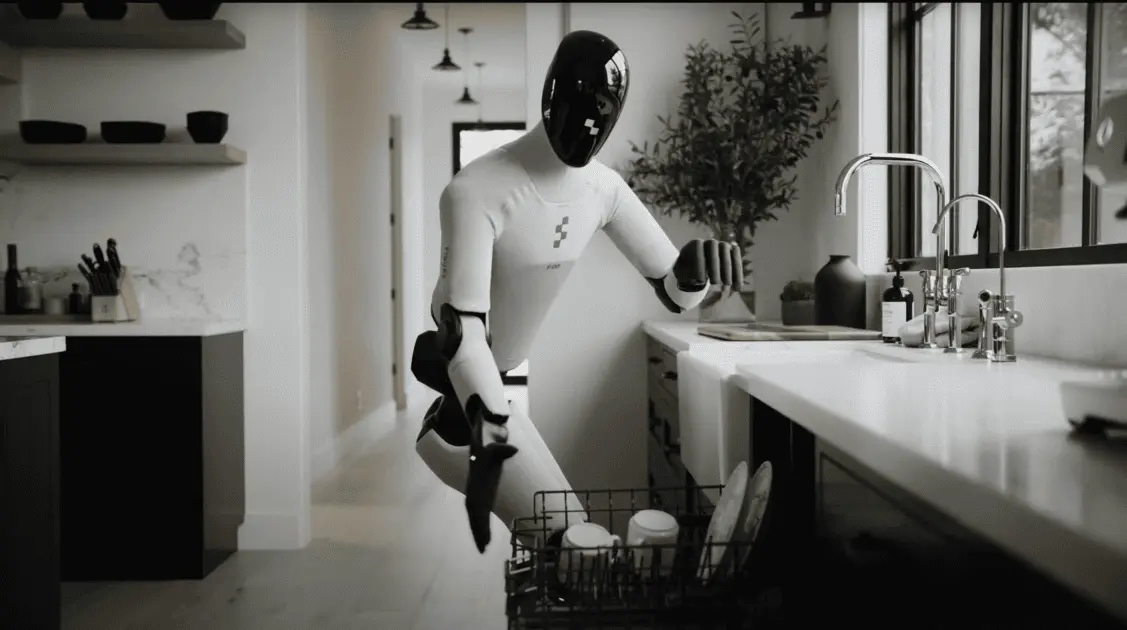
Figure AI's Helix 02 humanoid robot completes 4-minute dishwasher task with full-body autonomy
28 Jan 2026•Technology

Figure AI Unveils Figure 03: A Versatile Humanoid Robot for Home and Industry
09 Oct 2025•Technology
Recent Highlights
1
Microsoft and Nvidia Launch Surface Laptop Ultra: A $2,599 AI-Ready PC With RTX Spark Chip
Technology

2
Trump Consulted Grok AI Before Ordering Venezuela Invasion and Capture of Nicolás Maduro
Policy and Regulation

3
Scientists Build AI Model That Reconstructs Images From Brain Scans in Record Time
Science and Research

Recent Highlights
Today's Top Stories







Don’t drown in AI news. We cut through the noise - filtering, ranking and summarizing the most important AI news, breakthroughs and research daily. Follow topics that matter to you and stay ahead.


