Former Disney Star's AI App Sparks Controversy Over Digital Resurrection of Deceased Loved Ones


3 Sources
[1]
This AI app lets you chat with the dead using a few minutes of video - and not everyone is okay with that
2wai pitches "digital immortality" but makes many people uncomfortable Former Disney Channel star Calum Worthy has more lately been exploring AI as co-founder of a startup called called 2wai (pronounced "too why") that can produce AI-powered facsimiles of people using just a few minutes of video
[2]
Ex-Disney star ripped for 'demonic' app that lets users talk to AI...
An app launched by a former Disney star that lets users speak with AI versions of their dead relatives drew jeers online, with social media users calling the tech "vile," "demonic" and reminiscent of the dystopian sci-fi show "Black Mirror." Calum Worthy, a Canadian actor known for Disney's
[3]
Disney star's AI app letting users talk to deceased loved ones slammed as 'evil'
2wai, an AI-powered app co-founded by Disney star Calum Worthy, which allows users to create interactive avatars of deceased relatives, has sparked backlash on social media for its controversial nature. The app's promotional video, posted on X by Worthy last week, quickly went viral, amassing over
Share
Copy Link
2wai, an AI app co-founded by former Disney Channel star Calum Worthy, allows users to create interactive avatars of deceased relatives using just three minutes of video footage. The controversial technology has drawn widespread criticism and comparisons to Black Mirror.
Controversial AI App Enables Conversations with the Dead
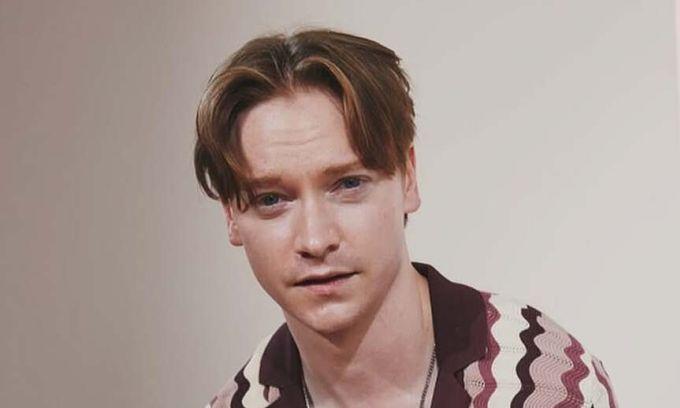
Former Disney Channel star Calum Worthy has found himself at the center of a digital ethics storm following the launch of his AI startup 2wai, which promises "digital immortality" through interactive avatars of deceased loved ones. The app, co-founded with Hollywood producer Russell Geyser, can create lifelike AI recreations of people using just three minutes of video footage and basic personality details
1
.
Source: VnExpress
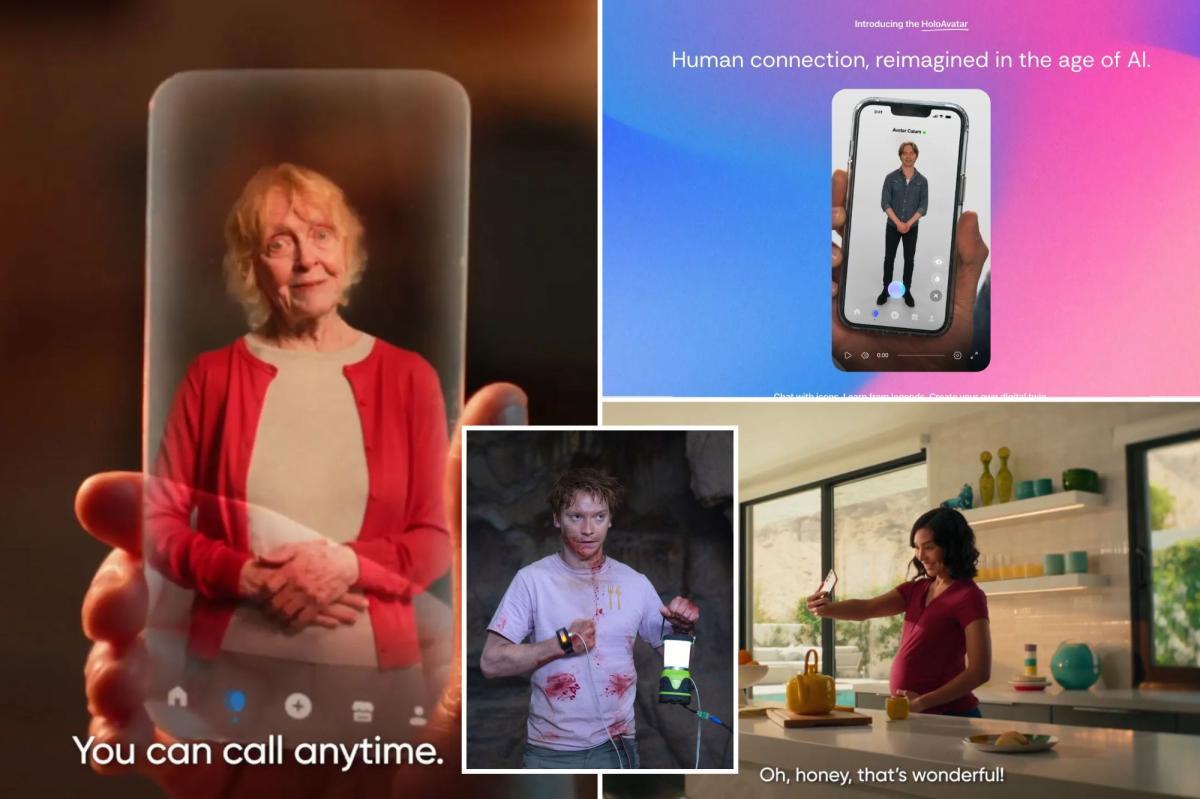
The controversy erupted when Worthy posted a promotional video on X that quickly amassed over 40 million views. The advertisement features a pregnant woman video-chatting with her deceased mother's AI avatar, showing the grandmother providing advice as the baby grows into adulthood without aging herself. The reveal that the grandmother is synthetic comes only in the final moments, creating what many viewers found deeply unsettling
2
.
Source: New York Post
Public Backlash and Black Mirror Comparisons
The public response has been overwhelmingly negative, with social media users describing the technology as "vile," "demonic," and "objectively one of the most evil ideas imaginable." Many critics drew immediate comparisons to the Netflix series "Black Mirror," specifically referencing the Season 2 episode "Be Right Back," which explores similar themes of AI resurrection technology
3
.Critics have raised serious concerns about the psychological impact on grieving individuals, with some warning that the avatars could push users toward psychosis or unhealthy coping mechanisms. One particularly pointed criticism questioned the potential subscription model: "Are you sure you want to cancel your subscription and never talk to your dead parents again?" highlighting concerns about commercializing grief
2
.Beyond Grief: A Social Network for Avatars
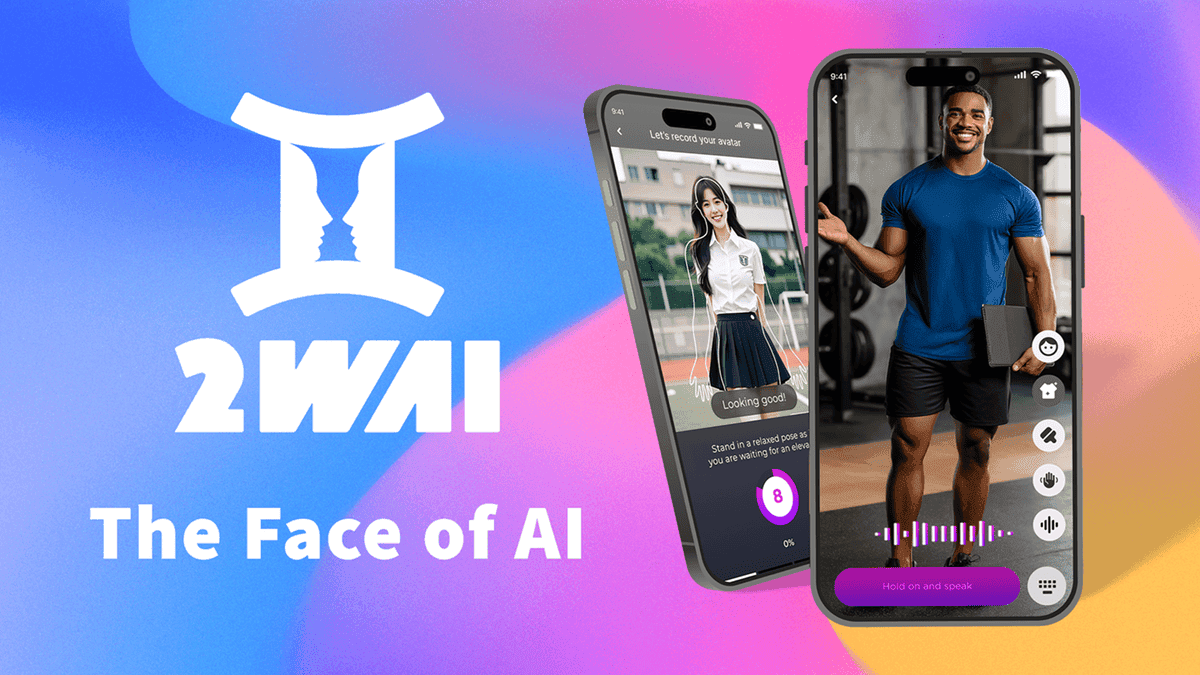
2wai extends beyond posthumous communication, positioning itself as a comprehensive "social network for avatars." Users can interact with AI recreations of historical figures including William Shakespeare, Florence Nightingale, King Henry VIII, and Frida Kahlo, designed as "real-time teaching assistants" for immersive learning experiences. The app also features original characters like Celest the astrologist and Darius the personal trainer
1
.
Source: TechRadar
Worthy himself maintains an AI avatar on the platform, which he describes as "a living diary" where he shares behind-the-scenes stories from his Disney Channel days with fans. The company markets this broader vision as "building a living archive of humanity, one story at a time"
2
.Related Stories


Ethical Concerns and Business Model Questions
The app raises fundamental questions about consent, digital identity, and posthumous representation. Critics worry about accountability when AI avatars behave in ways the original person never would, and whether consent can truly be given for post-death digital representation. The potential for creating avatars without someone's knowledge adds another layer of ethical complexity
1
.While currently free to download on the Apple Store with Android availability coming soon, questions remain about 2wai's long-term monetization strategy. The company has raised $5 million in pre-seed funding from friends and family, but the business model for maintaining avatars long-term remains unclear, raising concerns about families potentially paying subscription fees to keep deceased relatives' digital presence active
2
.References
Summarized by

Navi
[1]
Related Stories
Recent Highlights



Recent Highlights
Today's Top Stories



Don’t drown in AI news. We cut through the noise - filtering, ranking and summarizing the most important AI news, breakthroughs and research daily. Follow topics that matter to you and stay ahead.


