Gecko Robotics lands $71M US Navy contract to deploy AI ship inspection robots across Pacific Fleet


7 Sources
[1]
US Navy Awards Contract to Gecko Robotics to Inspect Ships
The US Navy and the General Services Administration awarded a contract worth up to $71 million to Gecko Robotics to use its wall-climbing robots to assess the health of naval vessels, the company announced Tuesday. The five-year contract will initially cover as much as $54 million in work and
[2]
US Pacific Fleet to deploy wall-climbing, flying robots on ships
WASHINGTON, March 17 (Reuters) - Gecko Robotics has landed a $71 million contract to deploy wall-climbing robots and artificial intelligence across U.S. Navy ships in the Pacific Fleet, the Pittsburgh-based company said, in what executives described as a first-of-its-kind maintenance contract
[3]
Gecko Robotics brings its AI to U.S. Navy ship repair in latest next-gen defense tech deal
The company said its robots -- capable of flying, swimming, and climbing critical infrastructure -- use cameras and sensors to condense a three-month process down to as little as two days. Gecko also said the robots can assess necessary maintenance 50 times faster than other manual
[4]
Gecko Robotics lands $71M Navy deal
The Pittsburgh startup's AI platform will create digital twins of Pacific Fleet vessels, starting with 18 ships, as the Navy races to fix a maintenance crisis costing up to $20 billion a year. Roughly 40% of the United States Navy's fleet is unavailable at any given time. Ships are queued in dry
[5]

Wall-climbing robots to inspect US Navy ships in $71M AI push
The initial award is valued at up to $54 million, with access extended across all military services through a government-wide vehicle. The effort targets a long-standing bottleneck of maintenance delays in naval operations that can keep ships out of service for months. By integrating robotics and
[6]

Pittsburgh's Gecko Robotics announces $71M deal to deploy technology within U.S. Navy ships
Pittsburgh's Gecko Robotics has secured a $71 million contract to deploy its artificial intelligence and robotics technology within United States Navy warships. Gecko Robotics announced the new deal Tuesday morning, saying that it will start with with 18 different ships within the Navy's Pacific
[7]

US Pacific Fleet to Deploy Wall-Climbing, Flying Robots on Ships
WASHINGTON, March 17 (Reuters) - Gecko Robotics has landed a $71 million contract to deploy wall-climbing robots and artificial intelligence across U.S. Navy ships in the Pacific Fleet, the Pittsburgh-based company said, in what executives described as a first-of-its-kind maintenance contract
Share
Copy Link
The US Navy awarded Gecko Robotics a $71 million contract to deploy wall-climbing robots and AI-powered inspection technology across 18 Pacific Fleet vessels. The five-year deal addresses a maintenance crisis costing up to $20 billion annually, with the company's system identifying repairs 50 times faster than manual methods. This marks the Navy's largest robotics contract to date.
Gecko Robotics Secures Largest Navy Robotics Contract
The US Navy and General Services Administration awarded a five-year contract worth up to $71 million to Gecko Robotics, marking the largest robotics deal the Navy has signed to date
1
4
. The initial award stands at $54 million, with the contract structured to allow any branch of the Department of Defense to access the Pittsburgh-based company's AI and robotics technology2
. This next-gen defense technology deployment represents a fundamental shift in how the military approaches naval ship maintenance, addressing a crisis that has left roughly 40% of the Navy's fleet unavailable at any given time4
.
Source: The Next Web
Wall-Climbing Robots Transform Pacific Fleet Inspections
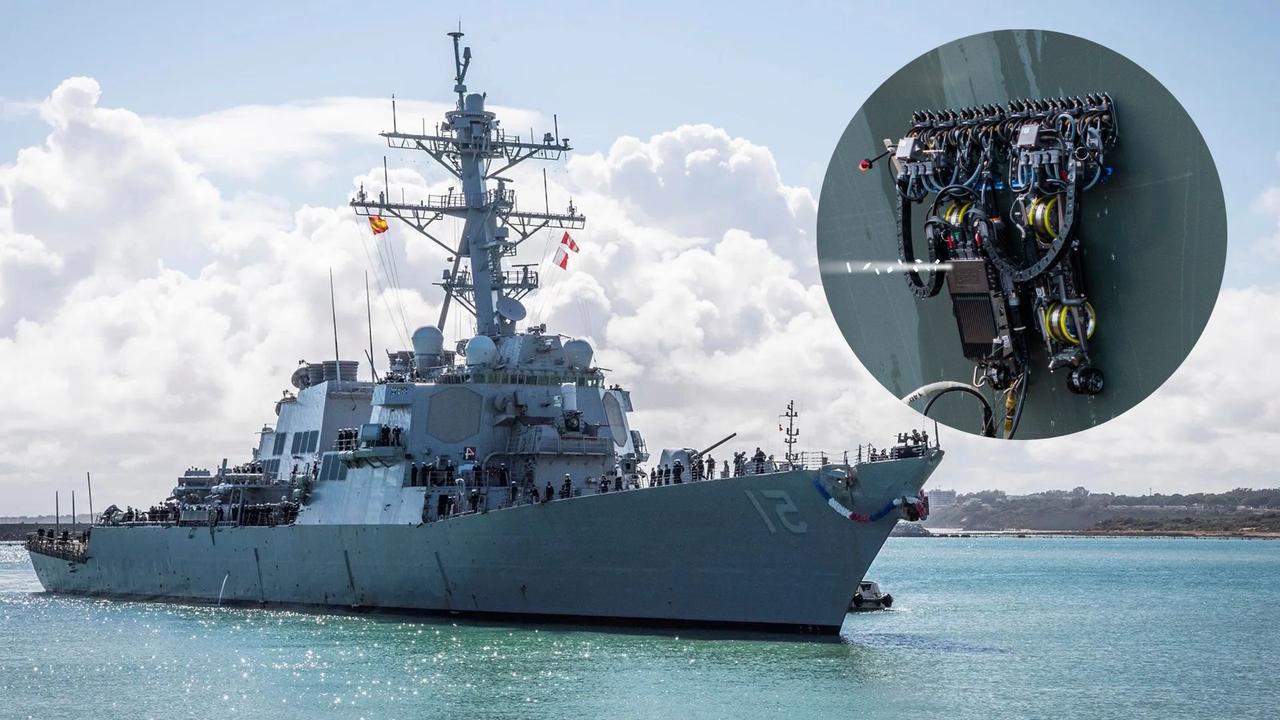
Gecko Robotics will immediately begin work on 18 ships in the Pacific Fleet over the next nine months, including destroyers, amphibious warships, and littoral combat ships
2
4
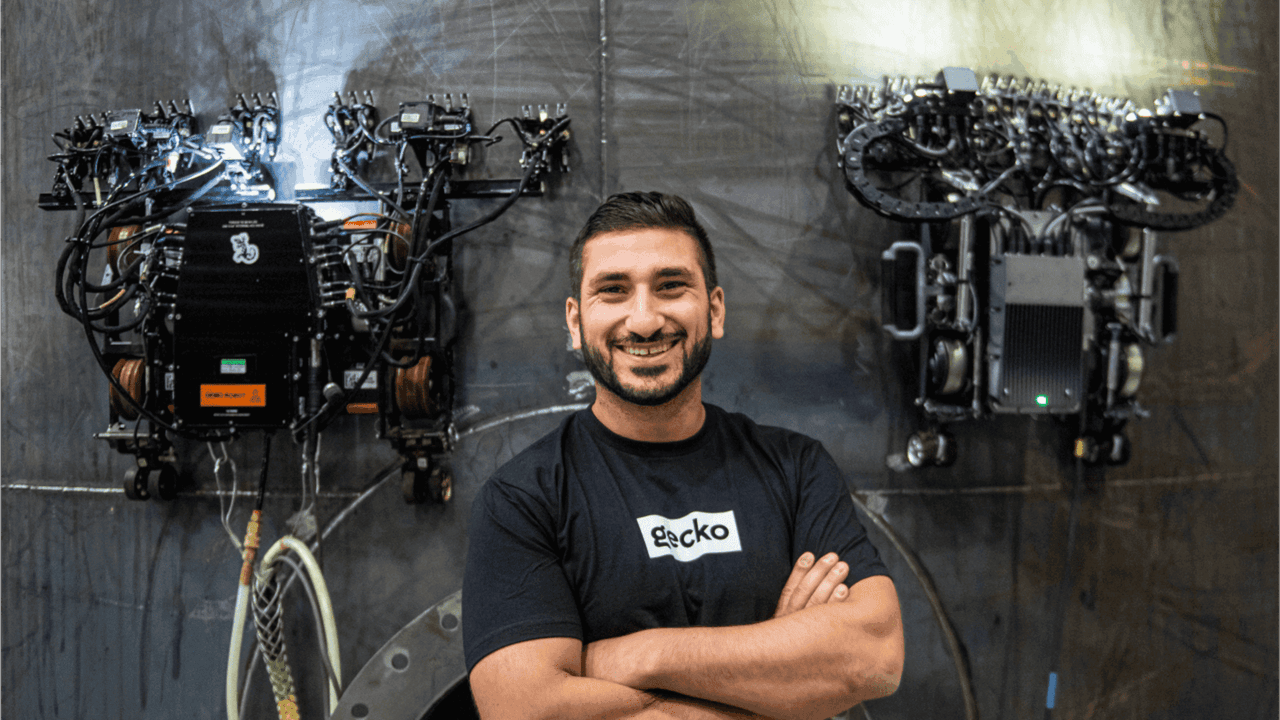
. The company's wall-climbing robots, drones, and fixed sensors crawl across hulls and decks, gathering detailed structural data from environments that are difficult or unsafe for human inspectors5
. These machines inspect critical structures including hulls, welds, and internal components, collecting data points that would take human inspectors weeks to gather4
. Gecko currently operates a fleet of roughly 250 robots across both commercial and government customers and plans to build 50 to 60 more this year2
.
Source: Interesting Engineering
AI-Powered Platform Creates Digital Twins of Ships
The robotic structural data collection feeds into Cantilever, Gecko's AI-powered platform that converts raw information into detailed digital twins of each vessel—a living, updatable model of the ship's structural health
4
. The system can identify necessary repairs up to 50 times faster and more accurately than manual inspection techniques, detecting corrosion and cracks that might otherwise go unnoticed1
3
. In one documented case, a single robotic evaluation of a flight deck eliminated more than three months of potential maintenance delays2
. CEO Jake Loosararian emphasized that the company's robots can condense a three-month process down to as little as two days3
. The digital models enable predictive decision-making by allowing inspections to happen before a ship even reaches dry dock, meaning the right parts and personnel can be staged in advance4
.
Source: CBS
Related Stories
Addressing a Maintenance Backlog Crisis
The maintenance backlog costs somewhere between $13 billion and $20 billion annually, according to Loosararian, who noted that "at a time when you need every asset you can get, that's pretty critical"
4
. Defense One reported that just 41% of ships completed repairs on time in 2025, well short of the Navy's 71% goal4
. The Navy has since reset its target to above 60%, with the broader ambition to improve fleet readiness to 80% combat surge readiness by 20274
5
. Loosararian stated this effort will help ensure ships remain deployment-ready: "This is the kind of stuff that was never possible before, and it's the reason why it's taken 18 months to get a destroyer out of the dry dock. This is not acceptable anymore"3
.Strategic Implications for Defense Industry
The contract arrives as the US increases its reliance on defense technology startups like Gecko to modernize dated military systems amid rising geopolitical tensions
3
. These companies are increasingly disrupting traditional mainstay defense contractors with innovative artificial intelligence and autonomous tech solutions. Since taking office, President Donald Trump has prioritized scaling US shipbuilding capabilities, which have long lagged behind China, releasing a multi-page plan in February to revive the sector3
4
. Gecko has previously deployed its TOKA series robots on destroyers, amphibious vessels, and aircraft carriers, and partnered with defense contractor L3Harris on digital twins for military aircraft4
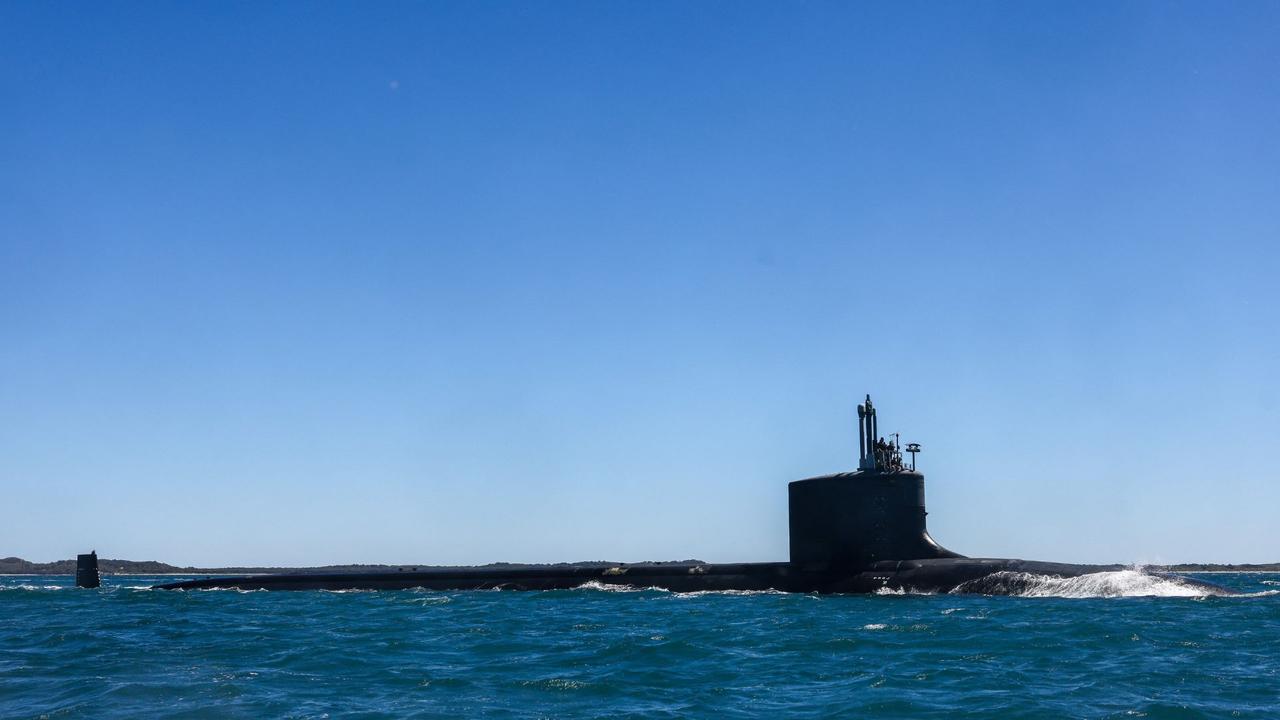
. Earlier this year, the company partnered with BPMI to cut inspection times on nuclear carrier and submarine components by up to 90%4
. The company was last valued at $1.25 billion following a Series D round led by Cox Enterprises in June 2025, bringing its total funding to $173 million4
. Loosararian emphasized the strategic advantage: "Software is not enough, and your ability to use artificial intelligence to predict and make decision advantages is only as good as the data inputs"3
. The ability to reduce maintenance delays while improving accuracy positions this technology as critical for maintaining naval superiority in an era where every deployment-ready vessel matters.References
Summarized by

Navi
[4]
[5]
Related Stories
Gecko Robotics Secures $125 Million Funding, Achieves Unicorn Status with AI-Powered Infrastructure Inspection
13 Jun 2025•Technology
HII Signs $900M Deal to Automate Navy Shipbuilding with AI-Powered Robotics
06 Aug 2026•Business and Economy
Gecko Robotics Secures $100 Million Deal with NAES Corp, Boosting AI-Powered Energy Infrastructure Maintenance
28 Feb 2025•Business and Economy

Recent Highlights
1
Microsoft and Nvidia Launch Surface Laptop Ultra: A $2,599 AI-Ready PC With RTX Spark Chip
Technology

2
Trump Consulted Grok AI Before Ordering Venezuela Invasion and Capture of Nicolás Maduro
Policy and Regulation

3
Scientists Build AI Model That Reconstructs Images From Brain Scans in Record Time
Science and Research

Recent Highlights
Today's Top Stories






Don’t drown in AI news. We cut through the noise - filtering, ranking and summarizing the most important AI news, breakthroughs and research daily. Follow topics that matter to you and stay ahead.


