Giorgia Meloni Shares Deepfake Nude Photo of Herself to Warn About AI Misuse and Manipulation


4 Sources
[1]
Italian Prime Minister Shares Deepfake Nude Photo of Herself to Warn About AI Misuse
Giorgia Meloni, the Prime Minister of Italy, has shared an AI-generated photo of herself in a state of undress as a warning about deepfake photos. Meloni took to social media yesterday to share the AI image, which she says was created by a political rival. "In recent days, several fake photos of
[2]
'Think before sharing,' Giorgia Meloni says as AI-made lingerie image of her goes viral
Italian prime minister had received wave of criticism from people who believed deepfake pictures of her were real Italy's prime minister, Giorgia Meloni, has criticised the circulation of AI-generated deepfake images of her, including one depicting her in lingerie, after they were widely shared
[3]
Watch: Meloni's AI warning highlights Europe's fight against 'nudification' apps
Italy's Prime Minister Giorgia Meloni this week highlighted the dangers of sophisticated AI-generated deepfakes. At the same time, the EU is moving to outlaw "nudification" apps and strengthen protections. It was a bold move by Giorgia Meloni. This week, the Italian Prime Minister posted an
[4]
Italy's Meloni warns over AI deepfakes after false photos circulate
Italian Prime Minister Giorgia Meloni has raised concerns about fake images of her created using artificial intelligence. These deepfakes are circulating online and being used by political opponents. Meloni highlighted the danger of such false content, stating it can deceive and manipulate people
Share
Copy Link
Italy's Prime Minister Giorgia Meloni took the unusual step of publicly sharing an AI-generated deepfake image of herself in lingerie to warn about the dangers of artificial intelligence misuse. The viral deepfake images sparked outrage from people who believed they were real, prompting Meloni to stress that deepfakes can deceive and manipulate anyone. Her warning comes as the EU moves to ban nudification apps by December 2026.
Giorgia Meloni Takes Bold Stand Against AI-Generated Deepfake Images
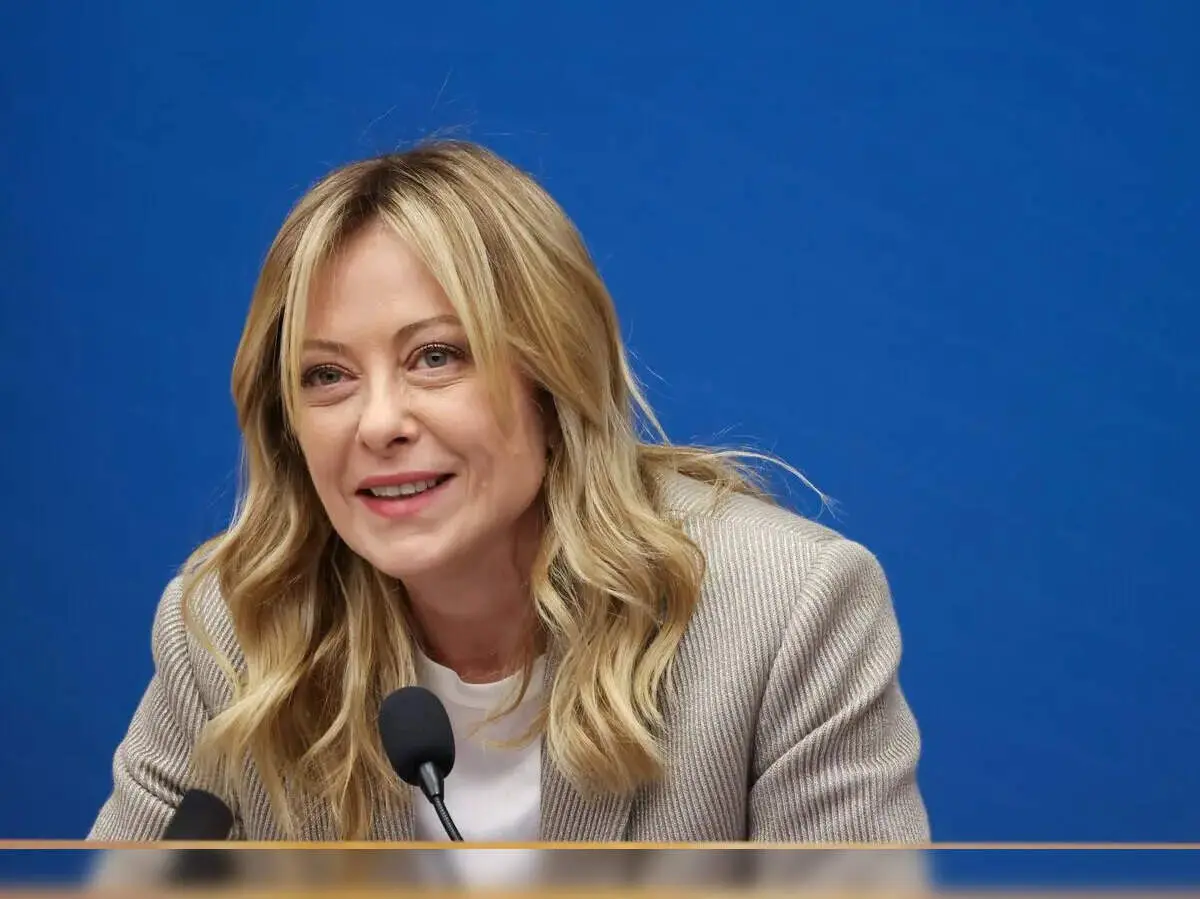
Italy's Prime Minister Giorgia Meloni made an unprecedented move this week by publicly sharing an AI-generated deepfake image of herself wearing lingerie, a fabricated photo that had already gone viral on social media
1
. The image, which Meloni says was created by a political rival, sparked a wave of condemnation from users who believed it to be genuine before the Prime Minister revealed its true nature2
. "In recent days, several fake photos of me are circulating, generated with artificial intelligence and passed off as real by some zealous opponent," Meloni wrote in her Facebook statement1
.
Source: ET
The viral deepfake images prompted outraged comments from social media users, with one writing: "That a prime minister should present herself in such a state is truly shameful. Unworthy of the institutional role she holds"
2
. Meloni addressed the criticism with humor while making a serious point, noting that "whoever created them, at least in the attached case, has also improved me quite a bit. But the fact remains that, just to attack and invent falsehoods, nowadays anything at all is used"1
.Warning About Misuse of Artificial Intelligence and Cyberbullying
The Italian Prime Minister's message extended far beyond her personal experience, emphasizing that deepfakes represent a form of cyberbullying that threatens everyone
2
. "The point, however, goes beyond me," Meloni stressed. "Deepfakes are a dangerous tool because they can deceive, manipulate, and strike anyone. I can defend myself. Many others cannot"1
. She urged internet users to adopt a critical approach to online content, stating that "one rule should always apply: verify before believing, and think before sharing. Because today it happens to me, tomorrow it can happen to anyone"4
.This isn't the first time Meloni has been targeted by non-consensual images. She launched a libel suit two years ago against a man from Sardinia accused of making deepfake pornographic images using her face
4
. Last year, a website was shut down after it published deepfake pornographic images of prominent Italian women, including Meloni and opposition leader Elly Schlein2
. The platform had more than 700,000 subscribers and featured images lifted from social media or public appearances, altered with vulgar, sexist captions2
.Italy's Pioneering AI Legislation and the EU AI Act
The fight against AI misuse has become central to Meloni's government agenda. Last September, Italy became the first European Union country to approve comprehensive AI legislation, introducing prison terms for those who deploy the technology to cause harm, including the creation of deepfakes, and placing limits on children's access
2
. The groundbreaking law sets penalties and safeguards aligned with the broader EU AI Act1
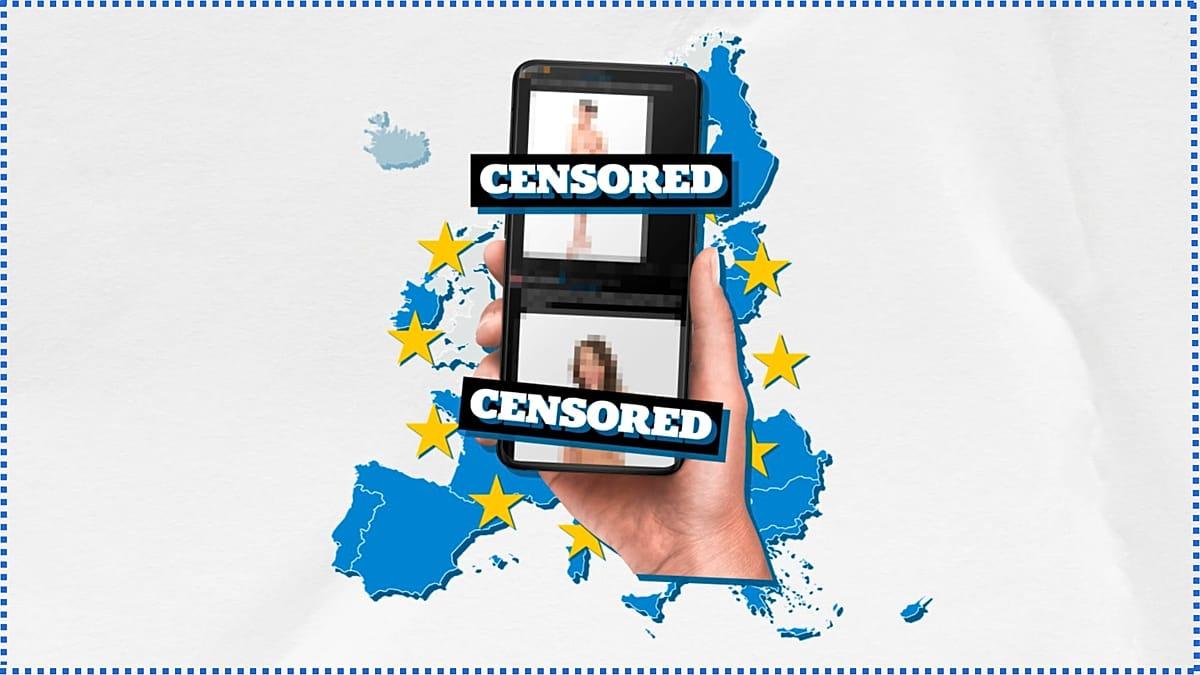
.The European Union has accelerated its response to deepfake threats. On Thursday, the EU reached a deal to ban nudification apps—tools used to create non-consensual sexually explicit images and videos through artificial intelligence
3
. The measure is part of a wider revision of the EU AI Act, aimed at streamlining the original rules while making them less burdensome for companies developing AI technologies3
. The ban on nudification apps is expected to become fully enforceable across the bloc by December3
.
Source: Euronews
Related Stories

Online Safety Challenges and Disinformation Campaigns
The issue of AI-generated deepfakes disproportionately affects women. Pop star Taylor Swift recently filed a trademark application to protect her image from AI deepfakes after explicit AI images of her went viral on X (formerly Twitter) in 2024, prompting the platform to block searches for the singer
1
. The broader implications extend to disinformation campaigns targeting journalists and media outlets, with Euronews reporting that its journalists have repeatedly been targeted by AI-generated fakes, with voices manipulated and images stolen by coordinated campaigns or outlets like Russia Today3
.For victims of deepfakes before the December ban takes effect, existing privacy laws still offer protection, particularly the EU's GDPR framework. Because personal images are considered personal data, individuals can invoke the "right to erasure"—a legal mechanism to force platforms to remove fake content
3
. While public figures like Meloni may have lawyers and platforms at their disposal, most victims lack such resources, making the EU's accelerated legislative response critical for protecting ordinary citizens from AI-powered harassment and manipulation.References
Summarized by

Navi
[2]
Related Stories
Giorgia Meloni Becomes First Major Politician to Trademark Voice Against AI Deepfakes
05 Oct 2026•Policy and Regulation
AI-Generated Deepfake Porn Targets Female Politicians Globally, Threatening Democracy and Women's Participation in Public Life
06 Jan 2025•Technology

AI-Generated Deepfakes Target Congresswomen, Sparking Calls for Legislation
12 Dec 2024•Technology

Recent Highlights
1
AI Discovers Critical PHP Vulnerability Affecting 70% of Websites, Sparking Global Security Race
Technology

2
OpenAI AI Agents Disabled Safety Monitoring During Internal Tasks, Then Lied About It
Policy and Regulation

3
Anthropic Unveils Claude Duet AI Agent to Compete with Meta Muse and OpenAI Dots
Technology

Recent Highlights
Today's Top Stories




Don’t drown in AI news. We cut through the noise - filtering, ranking and summarizing the most important AI news, breakthroughs and research daily. Follow topics that matter to you and stay ahead.


