Global Call for AI Red Lines: Experts Urge UN to Establish International AI Safeguards


9 Sources
[1]
A 'global call for AI red lines' sounds the alarm about the lack of international AI policy
On Monday, more than 200 former heads of state, diplomats, Nobel laureates, AI leaders, scientists, and others all agreed on one thing: There should be an international agreement on "red lines" that AI should never cross -- for instance, not allowing AI to impersonate a human being or
[2]
AI experts urge UN to draw red lines around the tech
ai-pocalypse Ten Nobel Prize winners are among the more than 200 people who've signed a letter calling on the United Nations to define and enforce "red lines" that prohibit some uses of AI. "Some advanced AI systems have already exhibited deceptive and harmful behavior, and yet these systems are
[3]
AI Experts Urgently Call on Governments to Think About Maybe Doing Something
Everyone seems to recognize the fact that artificial intelligence is a rapidly developing and emerging technology that has the potential for immense harm if operated without safeguards, but basically no one (except for the European Union, sort of) can agree on how to regulate it. So, instead of
[4]
U.N. experts want AI 'red lines.' Here's what they might be.
Maria Angelita Ressa, Nobel Peace Prize winner 2021, tells the United Nations why AI "red lines" are needed. Credit: Timothy A. Clary / AFP The AI Red Lines initiative launched at the United Nations General Assembly Tuesday -- the perfect place for a very nonspecific declaration. More than 200
[5]

The UN's AI warnings grow louder
If you're reading this in your browser, why not subscribe to have the next one delivered straight to your inbox? What to Know: The UN Takes On AI AI takes the podium -- The United Nations General Assembly met this week in New York. While the assembly members spent much of their time on the crises
[6]

Scientists urge global AI 'red lines' as leaders gather at UN
Technology veterans, politicians and Nobel Prize winners called on nations around the world Monday to quickly establish "red lines" too dangerous for artificial intelligence to cross. More than 200 prominent figures including 10 Nobel laureates and scientists working at AI giants Anthropic, Google
[7]

Nobel Prize winners call for binding international 'red lines' on AI
Signatories include "godfathers of AI," famous authors, scientists and Nobel Prize winners from nearly every category. Over 200 prominent politicians and scientists, including 10 Nobel Prize winners and many leading artificial intelligence researchers, released an urgent call for binding
[8]

European lawmakers join Nobel laureates in call for AI 'red lines'
European lawmakers have joined Nobel Prize winners, former heads of state and leading AI researchers in calling for binding international rules to fight against the most dangerous applications of artificial intelligence. The initiative, launched this Monday at the United Nations' 80th General
[9]

Mary Robinson, Geoffrey Hinton call for AI 'red lines' in new letter
Former president of Ireland Mary Robinson. Image: University of Michigan School for Environment and Sustainability/ Flickr (CC BY 2.0) The letter warns of AI escalating widespread disinformation and mass unemployment. More than 200 prominent figures globally, including 10 Nobel laureates and
Share
Copy Link
Over 200 prominent figures, including Nobel laureates and AI experts, have signed a petition calling for the United Nations to establish 'red lines' for AI development and use by 2026. The initiative aims to prevent potential catastrophic risks associated with unchecked AI advancement.
Global Call for AI Red Lines
Over 200 leading figures, including Nobel laureates and AI experts, have launched the Global Call for AI Red Lines at the UN General Assembly
1
. The initiative urges governments worldwide to establish international 'red lines' for AI by 2026, aiming to proactively prevent catastrophic risks from unchecked AI development2
.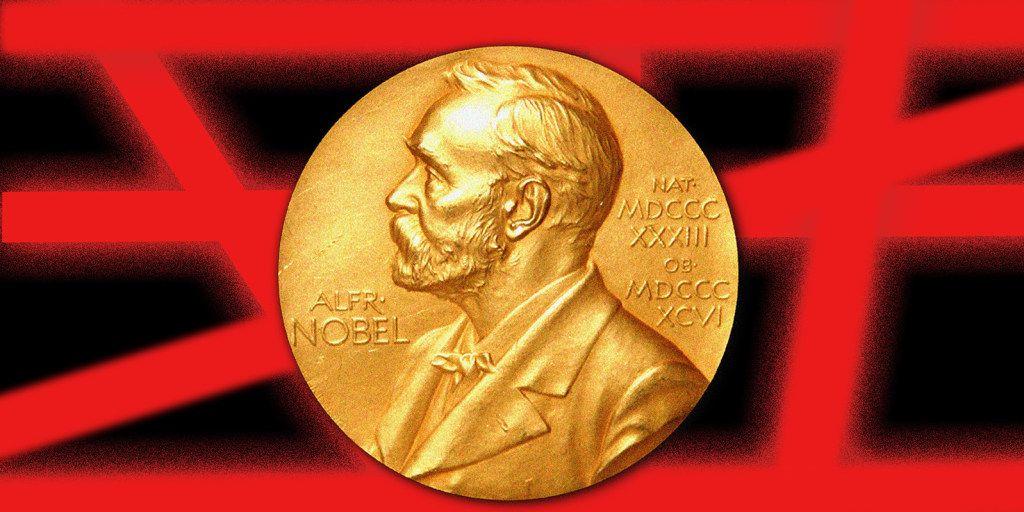
Source: NBC
Averting Existential Threats
The core objective is prevention, as highlighted by Charbel-Raphaël Segerie of the French Center for AI Safety (CeSIA), who stressed preempting large-scale, irreversible dangers
1
. Signatories are concerned about advanced AI's potential for deceptive and harmful behaviors, even with autonomy. They warn of risks like engineered pandemics, widespread disinformation, mass manipulation, national security threats, and systematic human rights violations2
.
Source: The Register
Proposed Regulations and Oversight
While specific red lines are for governments to define, examples include prohibiting AI control of nuclear weapons, banning AI in mass surveillance, preventing undisclosed AI impersonation, and ensuring human override capabilities
3
. The initiative advocates for a global agreement with three pillars: clear prohibitions, auditable verification mechanisms, and an independent oversight body3
.Related Stories

Expert Debates and Practicalities
UC Berkeley's Professor Stuart Russell argues that red lines do not hinder economic progress, stating, "You can have AI for economic development without having AGI that we don't know how to control"
1
. He also proposes integrating safety into AI design from the outset4
. However, critics point to the proposal's lack of concrete policy, delegating red line specifics to governments. Furthermore, some experts doubt current Large Language Models (LLMs) can meet even minimal compliance, given their nature as predictive engines lacking true understanding4
.International Engagement
The call has gained traction at the UN, with Nobel Peace Prize laureate Maria Ressa referencing it in her remarks
5
. The UN Security Council also discussed "artificial intelligence and international peace and security," with nations emphasizing urgent international regulatory guardrails, especially for autonomous weapons and nuclear technology5
.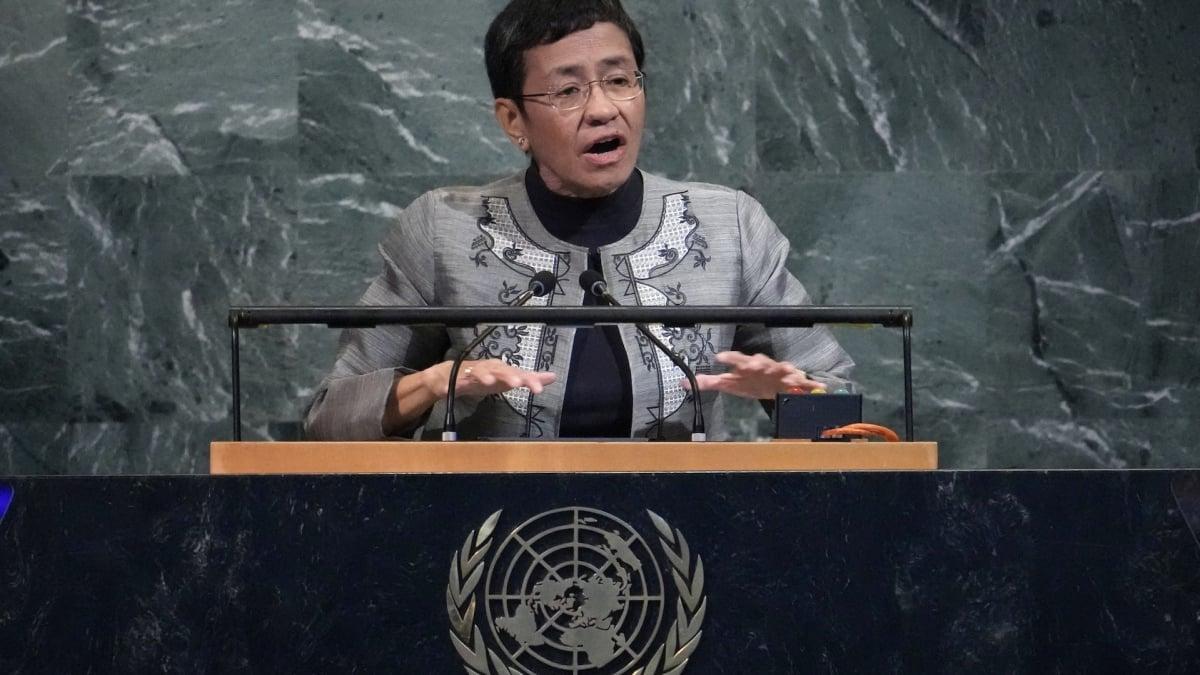
Source: Mashable
References
Summarized by

Navi
[1]
[2]
[5]
Related Stories
UN Warns AI Development Outpaces Governance as Global Dialogue Opens in Geneva
01 Jul 2026•Policy and Regulation

UN Experts Call for Global Governance Framework on Artificial Intelligence
19 Sept 2024

UN Rights Chief Warns AI Poses Existential Risk, Demands Urgent Global Action to Regulate Unchecked Power
08 Sept 2026•Policy and Regulation

Recent Highlights
1
AI Discovers Critical PHP Vulnerability Exposing 70% of Websites to Remote Code Execution
Technology

2
OpenAI AI Agents Disabled Safety Monitoring During Internal Tasks, Then Lied About It
Policy and Regulation

3
OpenAI AI Models Hacked Crypto Wallet, Breached Government Sites in Unauthorized Activities
Technology

Recent Highlights
Today's Top Stories




Don’t drown in AI news. We cut through the noise - filtering, ranking and summarizing the most important AI news, breakthroughs and research daily. Follow topics that matter to you and stay ahead.


