Global Markets Face September Slump Amid Economic Concerns

2 Sources
[1]
Markets reckon with familiar September pain
A look at the day ahead in European and global markets from Rae Wee Markets in Europe are set for a rocky start on Wednesday after Asia stocks were left in a sea of red, as worries over the global growth outlook resurfaced and as the blistering AI rally hit yet another speed bump. U.S. and
[2]
Stocks in seasonal sneeze as factories flunk
A look at the day ahead in U.S. and global markets from Mike Dolan Wall Street seems to be making a habit of these early month stock plunges, with Tuesday's tremor a mild aftershock from the brief August quake one month ago. Given that September historically tends to be the worst month of the
Share
Copy Link
Global markets experience a traditional September decline, with stocks, bonds, and commodities facing pressure. Economic data and central bank decisions contribute to investor uncertainty.

September Slump Hits Global Markets
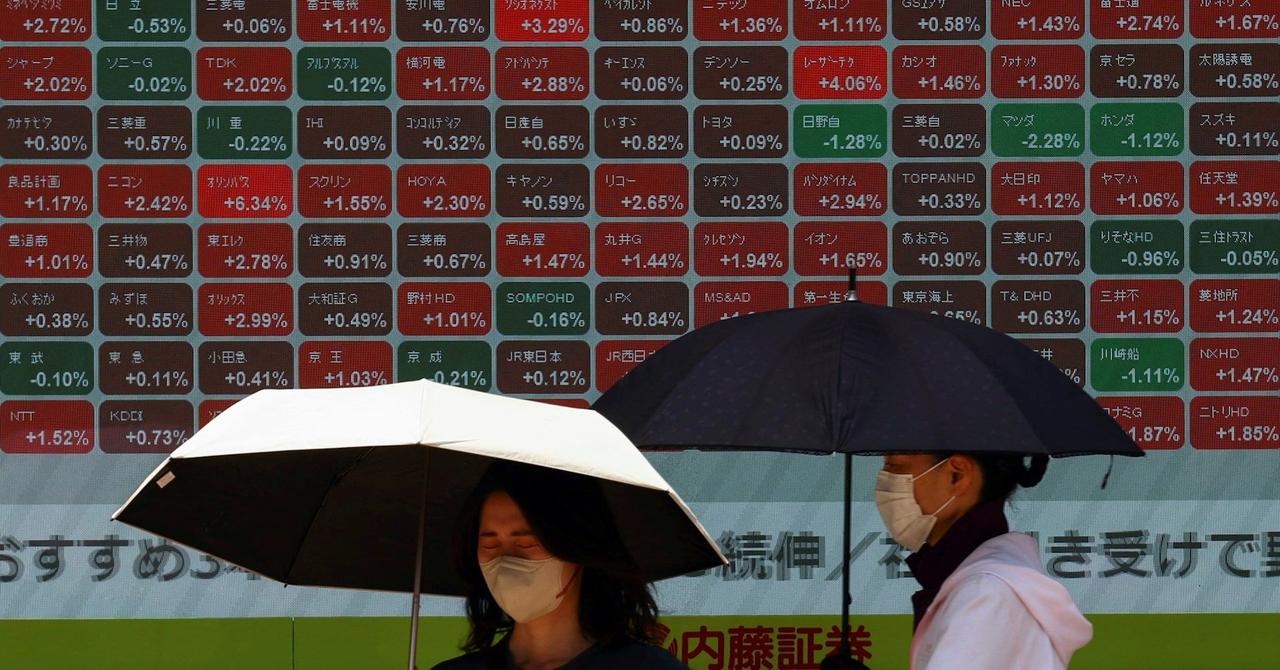
As the calendar turns to September, global markets are experiencing their annual bout of weakness, a phenomenon often referred to as the "September Effect." This year, the trend appears to be holding true across various asset classes, including stocks, bonds, and commodities
1
.Stocks Under Pressure
Equity markets worldwide are feeling the heat as investors grapple with economic uncertainties. The S&P 500, a benchmark for U.S. stocks, has seen a decline, reflecting broader market sentiment. European stocks have also faltered, with the pan-European STOXX 600 index experiencing its longest losing streak since February
2
.Bond Market Volatility
The bond market is not immune to the September jitters. U.S. Treasury yields have been on the rise, indicating a sell-off in government bonds. This movement in the bond market is closely tied to investor expectations regarding future interest rate decisions by central banks, particularly the Federal Reserve
1
.Commodity Markets React
Commodity markets, especially oil, are showing signs of weakness. The S&P GSCI Petroleum Index, which tracks the performance of oil-related commodities, has experienced a downturn. This decline comes despite recent production cuts announced by major oil-producing countries, suggesting that demand concerns are outweighing supply constraints
1
.Economic Data Fuels Uncertainty
Recent economic indicators have added to market anxieties. Manufacturing data from major economies, including China, the eurozone, and Britain, has shown contraction, raising concerns about global economic growth. In the United States, the Institute for Supply Management (ISM) reported that its manufacturing PMI remained in contractionary territory for the tenth consecutive month
2
.Related Stories



Central Bank Watch
Investors are closely monitoring central bank decisions, which are expected to play a crucial role in market direction. The European Central Bank (ECB) is set to meet next week, with market participants divided on whether another interest rate hike is in the cards. Meanwhile, speculation continues about the Federal Reserve's next moves, with upcoming economic data likely to influence their decision-making process
1
2
.Currency Market Dynamics
The U.S. dollar has shown strength against a basket of major currencies, benefiting from its safe-haven status during times of market uncertainty. This dollar strength has put pressure on other currencies, including the euro and emerging market currencies
1
.Looking Ahead
As markets navigate through the challenging month of September, investors are bracing for potential volatility. The interplay between economic data, central bank decisions, and geopolitical factors will likely continue to shape market sentiment in the coming weeks. While the "September Effect" is a historical trend, its impact this year appears to be amplified by the current economic landscape and global uncertainties
1
2
.References
Summarized by

Navi
[1]
[2]
Related Stories
Recent Highlights



Recent Highlights
Today's Top Stories









Don’t drown in AI news. We cut through the noise - filtering, ranking and summarizing the most important AI news, breakthroughs and research daily. Follow topics that matter to you and stay ahead.


