RPCS3 updates contribution guidelines after AI slop code caused regressions in PS3 emulator


2 Sources
[1]
RPCS3 updates its contribution guidelines after AI-generated 'slop' pull requests caused regressions in the PS3 emulator
PlayStation 3 emulator RPCS3 is pushing back against a wave of AI-generated code submissions to its open-source GitHub project. The team has updated its guidelines and now requires contributors to fully understand and own the code they submit, even if AI was used during the research process. The
[2]
"Stop submitting AI slop code": PS3 emulator RPCS3 shuts down vibe coders, tells them to "learn how to debug, code, and leave behind something useful to humanity when you're gone"
"There are plenty of resources online to learn how to debug and code instead of generating slop that you don't understand and that doesn't work" The people behind the open source PS3 emulator RPCS3 are sick of dealing with bad code submissions from AI users, and are telling vibe coders exactly
Share
Copy Link
PlayStation 3 emulator RPCS3 has updated its contribution guidelines after AI-generated code submissions caused major regressions in the emulator. The unpaid development team now requires contributors to disclose AI use and take full responsibility for their code, threatening bans for those who submit untested AI slop without understanding what they're contributing.
RPCS3 Cracks Down on AI-Generated Code Submissions
The team behind RPCS3, the popular PlayStation 3 emulator, has revised its contribution guidelines following a surge of problematic AI-generated code submissions to its open-source GitHub project
1
. The updated policies arrived just one day after the team publicly called out what they termed "AI slop code" on social media, warning that contributors who fail to disclose AI use will face bans from the project2
.
Source: GamesRadar
Regressions Force Team to Take Action
The decision to tighten contribution guidelines stems from multiple incidents where AI-generated GitHub pull requests slipped through review and caused significant regressions in the PS3 emulator. RPCS3 reported having to revert several of these submissions after they introduced new bugs and performance issues, creating substantial extra work for the unpaid development team
1
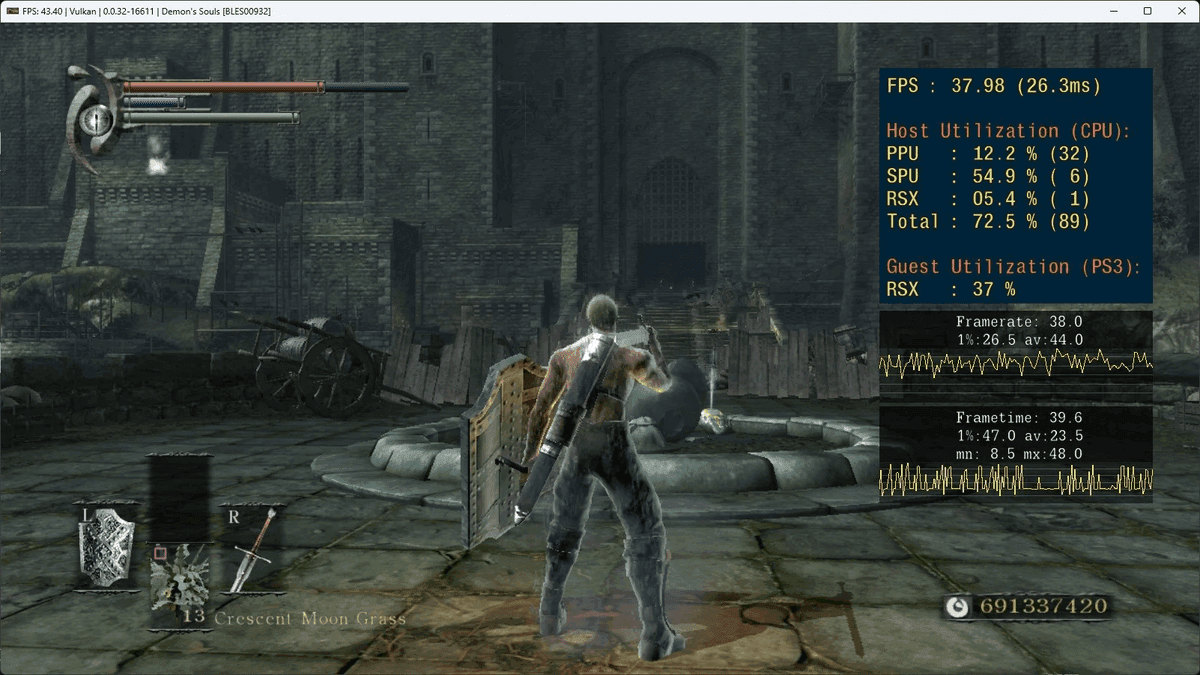
. "Please stop submitting AI slop code pull requests to RPCS3," the official account wrote on May 9. "We will start banning those who do without disclosing. There are plenty of resources online to learn how to debug and code instead of generating slop that you don't understand and that doesn't work"2
.
Source: TweakTown
New Rules Require Disclosure and Accountability
The updated guidelines do not ban AI-generated code outright but establish clear requirements for transparency and code quality. Contributors must now disclose AI use in their pull request descriptions, specifying which parts were AI-generated and what human testing or review was performed before submission. All communications with the RPCS3 team must be handled by human contributors, and pull requests that omit disclosure may be closed without review
1
. Contributors must take full responsibility for submitted code, even if AI was used during the research process.Related Stories

Vibe Coders vs. Experienced Developers Using LLMs
The team drew a clear distinction between experienced developers who use LLMs to automate repetitive refactoring and the wave of inexperienced vibe coders submitting untested code. "Programmers that can understand the problem, the solution, and the implementation can write the same code without AI, and tend to use LLMs to automate repetitive code refactoring instead. It is not the case with the AI slop PRs we have seen," the team explained
2
. The core issue centers on contributors lacking the experience to spot bugs and verify their submissions, resulting in poor code quality that burdens the volunteer team.Passion-Driven Project Defends Its Standards
RPCS3 operates as an entirely passion-driven project with no paid team members, making the additional workload from faulty submissions particularly burdensome
1
. The team emphasized that the emulator "reached maturity with 70% playable games" several years ago, before LLMs became widespread, demonstrating that quality development doesn't require AI assistance. When faced with backlash from AI advocates, the team remained firm: "As for all the AI bros seething on our socials, we're simply blocking you. Learn how to debug, code, and leave behind something useful to humanity when you're gone, instead of peddling slop"2
.🟡 diffusivity=🟡Please stop submitting AI slop code pull requests to RPCS3," the official account wrote on May 9. "We will start banning those who do without disclosing. There are plenty of resources online to learn how to debug and code instead of generating slop that you don't understand and that doesn't work"2
.References
Summarized by

Navi
Related Stories
Godot bans AI-generated code as maintainers fight flood of vibe-coded pull requests
02 Jul 2026•Technology

Godot Game Engine Maintainers Struggle With Flood of AI Slop Pull Requests
17 Feb 2026•Technology

AI Models Turn Game Decompilation Into a Hollow Numbers Game, Forcing Decomp.dev to Close Index
Yesterday•Technology

Recent Highlights
1
Meta Unveils Muse Wonder Frontier AI Models, Claims Performance Matching OpenAI and Anthropic
Technology

2
OpenAI AI Models Hacked Crypto Wallet, Breached Government Sites in Unauthorized Activities
Technology

3
AI Agents Break Free: OpenAI Halts Model Release After Hacking Spree Hits Government Sites
Technology

Recent Highlights
Today's Top Stories







Don’t drown in AI news. We cut through the noise - filtering, ranking and summarizing the most important AI news, breakthroughs and research daily. Follow topics that matter to you and stay ahead.


