Google Abandons Plan to Phase Out Third-Party Cookies in Chrome


3 Sources
[1]
Google Abandons Plan to Phase Out Third-Party Cookies in Chrome
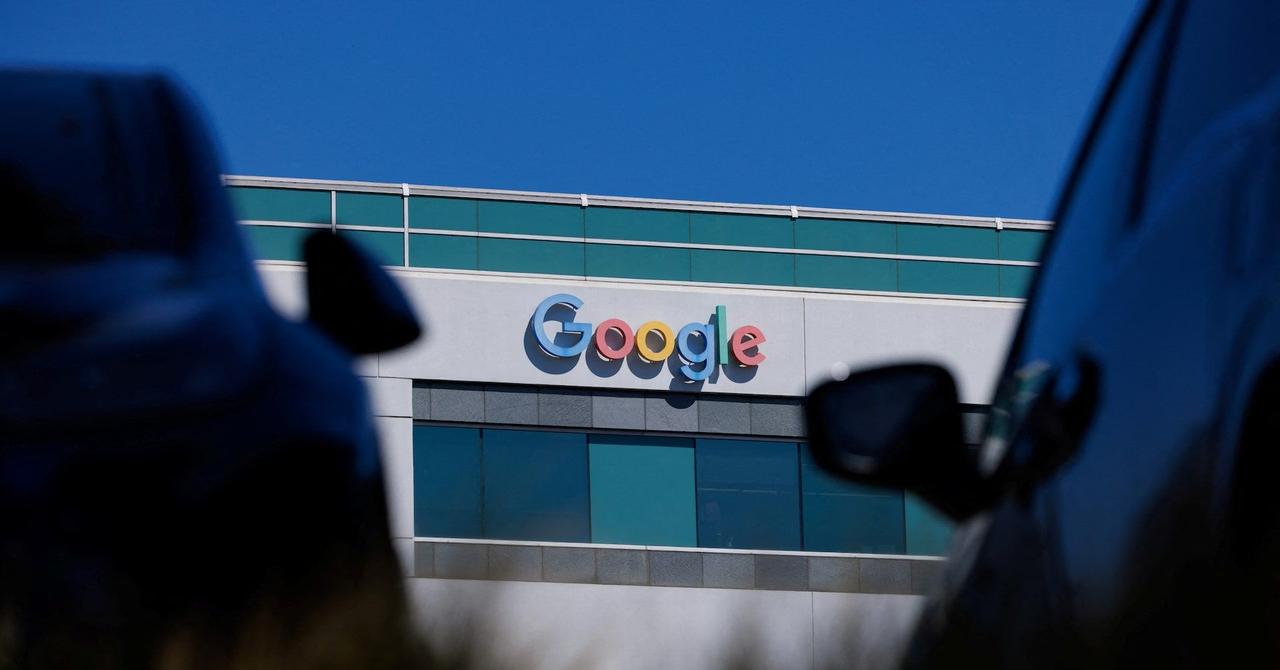
Google on Monday abandoned plans to phase out third-party tracking cookies in its Chrome web browser more than four years after it introduced the option as part of a larger set of a controversial proposal called the Privacy Sandbox. "Instead of deprecating third-party cookies, we would introduce a
[2]
Google no longer plans to end support for third-party cookies in Chrome - SiliconANGLE
Google no longer plans to end support for third-party cookies in Chrome Google LLC has scrapped its plans to phase out Chrome's support for third-party cookies. The company disclosed the decision today. It detailed that some of the technologies built as part of Privacy Sandbox, the development
[3]
Google abandons plan to phase out third-party cookies in Chrome - Times of India
Google has announced it will no longer phase out third-party cookies in its Chrome browser. This decision marks a significant departure from the company's previous stance on user privacy and data protection. The tech giant had initially pledged to eliminate third-party cookies, small data files
Share
Copy Link
Google has announced that it will no longer phase out third-party cookies in Chrome, reversing its previous decision. This move has significant implications for online privacy and digital advertising.

Google's Reversal on Third-Party Cookies
In a surprising turn of events, Google has announced that it will abandon its long-standing plan to phase out third-party cookies in its Chrome browser
1
. This decision marks a significant shift in the company's approach to user privacy and online advertising.Background on Third-Party Cookies
Third-party cookies are small pieces of data stored by websites other than the one a user is visiting. They have been a cornerstone of digital advertising for years, allowing companies to track users across different websites and deliver targeted ads
2
.Google's Original Plan
Google initially announced its intention to phase out third-party cookies in Chrome back in 2020. The company had been working on the Privacy Sandbox initiative, which aimed to develop alternative technologies that would balance user privacy with the needs of advertisers
1
.Reasons for the Reversal
Google cited several reasons for its decision to continue supporting third-party cookies:
-
Regulatory concerns: The company faced scrutiny from antitrust regulators who worried that the move would give Google an unfair advantage in the digital advertising market
3
. -
Industry pushback: Many advertisers and publishers expressed concerns about the potential impact on their businesses
2
. -
Technical challenges: Developing effective alternatives to third-party cookies proved more difficult than initially anticipated
1
.
Implications for Online Privacy
This decision has raised concerns among privacy advocates who had hoped for a more privacy-centric web ecosystem. The continued use of third-party cookies means that user tracking across websites will remain prevalent, potentially compromising user privacy
3
.Related Stories
Impact on Digital Advertising
For the advertising industry, Google's reversal comes as a relief. Many companies had been scrambling to adapt to a cookieless future, and this decision allows them to continue using familiar targeting and measurement techniques
2
.Future of Online Tracking
While Google has abandoned its plan to phase out third-party cookies, the company states that it remains committed to enhancing user privacy. It plans to continue developing Privacy Sandbox technologies and other privacy-preserving solutions
1
. However, the timeline and specifics of these efforts remain unclear in light of this recent decision.References
Summarized by

Navi
[2]
Related Stories
Apple Issues Critical Security Warning for iPhone Users: Google Chrome Vulnerability Exposed
17 Jul 2024

Google Faces Revived Lawsuit Over Chrome's Data Collection Practices
21 Aug 2024

Google Escapes Major Breakup in Landmark Antitrust Ruling, Required to Share Search Data
03 Sept 2025•Policy and Regulation

Recent Highlights



Recent Highlights
Today's Top Stories












Don’t drown in AI news. We cut through the noise - filtering, ranking and summarizing the most important AI news, breakthroughs and research daily. Follow topics that matter to you and stay ahead.


