Google AI pressures news publishers to share content for training or forfeit annual payments


2 Sources
[1]
Google Tells News Publishers to Share Content for AI Training or Lose Fees | PYMNTS.com
Those rights could include allowing Google to use participating publishers' content to train its artificial intelligence models, according to the report. Publishers who don't agree to participate in the program will eventually lose the annual fee they now receive from Google for allowing their
[2]
Google looks to bleed publishers with new AI partnerships that would cull their content
Google is reportedly looking to bleed publishers yet again -- threatening to exclude them from a lucrative new artificial-intelligence partnership unless they allow the tech giant to train its AI bots on their valuable content. In recent months, Google has been pitching news and entertainment
Share
Copy Link
Google is pushing news publishers into a new AI pilot program that requires them to share content for AI training or risk losing annual fees from Google News Showcase. Publishers including CNN and Business Insider have already seen traffic plummet by 30-40% since AI Overviews launched, raising concerns about the tech giant's dominance in the search ecosystem.
Google's AI Pilot Program Demands Broad Content Access
Google AI is offering news publishers a stark choice: participate in a new pilot program that grants the tech giant expansive rights to their content, or lose the annual payments they currently receive. The company has been pitching publishers on a program that would promote their content in AI Overviews, but in exchange, Google wants broad access to publishers' content for AI training, including the right to potentially use it to build its AI models
1
2
. Publishers who decline will eventually lose fees from Google News Showcase, which Google plans to end1
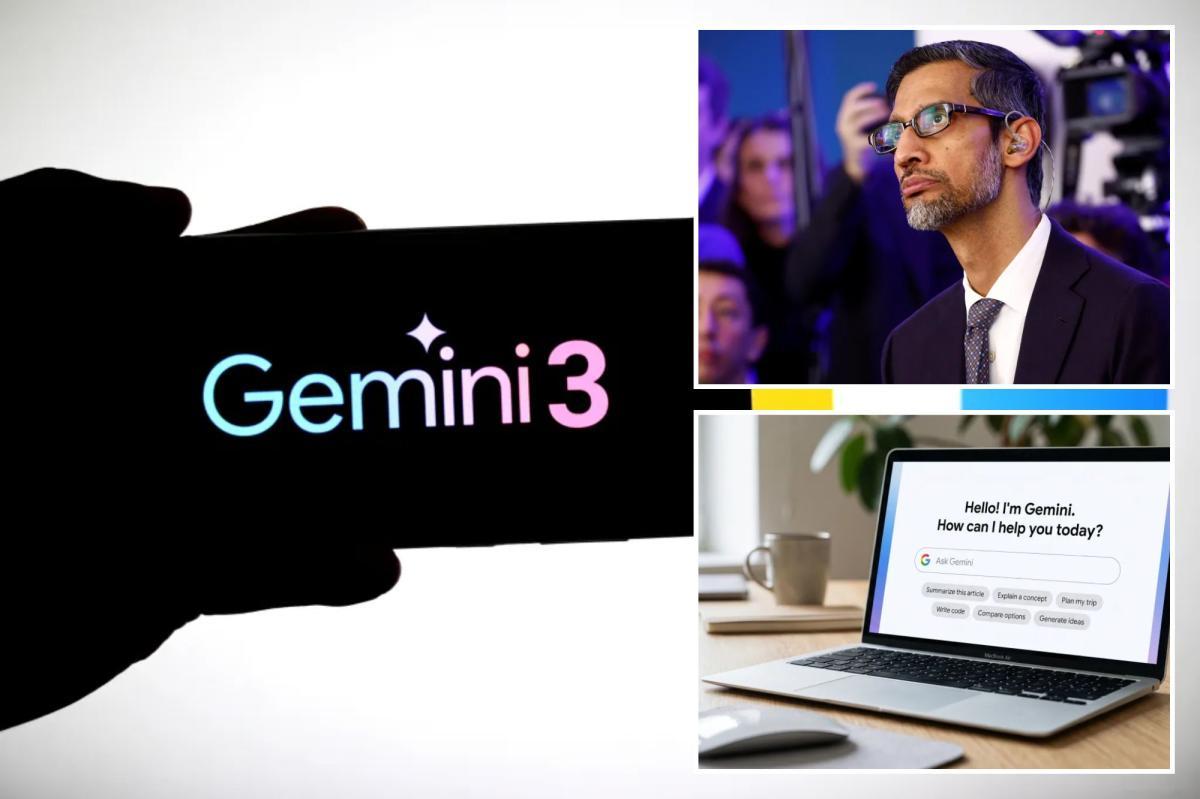
.
Source: New York Post
A Google spokesperson stated that "as people's news preferences change, we've been expanding our partnerships through our News AI pilot program, working with a wide range of publishers to explore how AI can drive more engaged audiences"
2
. The company announced in December that it was updating partnerships with news publications "for the AI era," noting it had formed commercial partnerships with more than 3,000 publications, platforms and content providers1
.AI-Powered Article Overviews Drive Traffic Collapse
The pressure on news publishers comes as many face devastating traffic declines since Google launched AI Overviews in 2024. CNN saw traffic fall by 30%, while Business Insider and HuffPost experienced drops of approximately 40%
2
. A Pew Research Center study found that when people see an AI Overview, they are half as likely to click a link from Google, and when they find an answer in AI-generated summaries, they are more likely to end their browsing session altogether2
.
Source: PYMNTS
Google is testing AI-powered article overviews on participating publications' Google News pages "to give people more context before they click through"
1
. However, this approach has created an impossible choice for publishers. "They bundled the opt-out from AI training with the Search opt-out. So publishers, if they wanted to say, 'Hey, you can't train on my content for AI Overviews,' then they had to opt out of Search," explained Jason Kint, chief executive of Digital Content Next. "If you're opting out of Search, then you're opting out of the internet"2
.Antitrust Investigation and Copyright Infringement Lawsuit
The European Commission launched an antitrust investigation in December examining whether Google used web publishers' content to provide generative AI-powered services without proper compensation or the chance to refuse
1
. Meanwhile, a coalition representing nearly 400 local and regional newspapers filed a copyright infringement lawsuit against OpenAI and Microsoft, alleging the companies stole copyrighted news articles to build and train commercial AI products without permission or compensation1
.The Washington Post and The Guardian are among initial partners in Google's AI pilot program announced in December
2
. Publishers signing up for the new pilot will agree to broader content-use terms for the same flat annual fee they currently receive, giving some pause2
.Related Stories
Search Ecosystem Monopoly Shapes Publisher Options
Kint emphasized the power imbalance in these negotiations: "This is Google's game. They're gonna dominate here. There's no fair deal discussions that can happen with Google. It's really a matter of how much money they want to drop on an individual organization"
2
. Google controls 90% of the search ecosystem and was ruled a monopoly in a landmark antitrust case in 2024, though the company asked a federal appeals court to reverse the decision in May2
.The situation has sent AI giants racing to secure content-licensing agreements amid content scraping concerns. OpenAI has signed more than a dozen content-licensing deals with news and entertainment publishers since the New York Times sued OpenAI and Microsoft in 2023
2
. For publishers heavily dependent on advertising tied to website clicks and audience revenue streams like subscriptions, the traffic decline represents a significant threat to their business models.References
Summarized by

Navi
Related Stories
Google Pursues AI Licensing Deals with News Publishers Amid Industry Tensions
23 Jul 2025•Business and Economy

Google pays 100 publishers for AI Overviews but most earn less than $1,000 in months
30 Sept 2026•Business and Economy
Google's AI Training Practices Raise Concerns Over Publisher Opt-Outs and Data Usage
04 May 2025•Technology

Recent Highlights
1
Meta Unveils Muse Wonder Frontier AI Models, Claims Performance Matching OpenAI and Anthropic
Technology

2
IMF Report Warns AI Market Correction Could Spark Global Financial Crisis With $1.4T at Risk
Business and Economy

3
Eight States Sue OpenAI Over ChatGPT Safety Concerns and Unlawful Collection of Children's Data
Policy and Regulation
Recent Highlights
Today's Top Stories











Don’t drown in AI news. We cut through the noise - filtering, ranking and summarizing the most important AI news, breakthroughs and research daily. Follow topics that matter to you and stay ahead.


