Google Search AI labeled unsafe for kids as Common Sense Media report reveals alarming failures


8 Sources
[1]
Google fires back at report claiming Search's AI tools are unsafe for kids
Google has offered a response, categorically denying many of the claims made in the report. In a recent report, Common Sense Media's Youth AI Safety Institute alleges that Google Search's AI tools -- AI Overviews and AI Mode -- are unsafe for children. The nonprofit even went as far as to deem
[2]
Google Search AI is under fire after safety report slams its safeguards
The report found AI completing homework, generating inaccurate information, offering deepfake instructions, and mishandling mental health crisis queries. Google's push to make Search more AI-first is running into fresh scrutiny. A new report from Common Sense Media's Youth AI Safety Institute
[3]
Fix AI Mode or get Google out of classrooms, advocates say
Child safety groups question if Google is appropriate for classroom use. Credit: Zain bin Awais/Mashable/Getty Images Millennials, the first computer generation, recall many a classroom lecture about the unreliability of Wikipedia. We were told to be wary of unverified forum posts. We were advised
[4]
Google rejects alarming report that says its Search AI tools are unsafe for kids
The company says it couldn't reproduce many of the responses cited and argues that the testing doesn't reliably measure product safety Google has rejected a new report that labels its AI-powered Search features an "unacceptable risk" for children and teenagers. Common Sense Media's Youth AI
[5]
Google's AI search just failed a major kids' safety test, and it's kind of alarming
Turns out the internet's biggest answer machine isn't great at handling tough questions from kids. Google Search's AI features just earned the lowest possible safety rating from a group that tested them on real kids' accounts, and the results are rough. A new risk assessment from Common Sense
[6]
Google Search AI poses 'unacceptable risk' to kids, report finds
The artificial intelligence features built in to Alphabet's Google Search pose an "unacceptable risk" to children, according to a new report from the Youth AI Safety Institute at Common Sense Media, a California-based nonprofit. The study found that on test accounts configured for minors, the
[7]

Parents should be more worried about Google Search AI features than ever
Parents today have more access to parenting strategies and child development data than any generation before them. Ironically, they also face more challenges than their ancestors ever faced when trying to raise healthy, happy children. Compounding this difficulty, the digital landscape shifts
[8]

Google's AI search engine poses 'unacceptable risks for kids': bombshell report
Features of Google's AI-powered search engine "create unacceptable risks for kids" - including failing to detect when they are showing signs of eating disorders or even suicide, according to a bombshell investigation by Common Sense Media. Tests revealed that Google's AI-generated answers "missed
Share
Copy Link
Common Sense Media's Youth AI Safety Institute has given Google's AI Overviews and AI Mode its lowest safety rating after testing revealed troubling failures in handling mental health crises, homework completion, and misinformation. Google disputes the findings, calling the test prompts contrived and unrepresentative of typical use.
Google Search AI Receives Lowest Safety Rating for Children
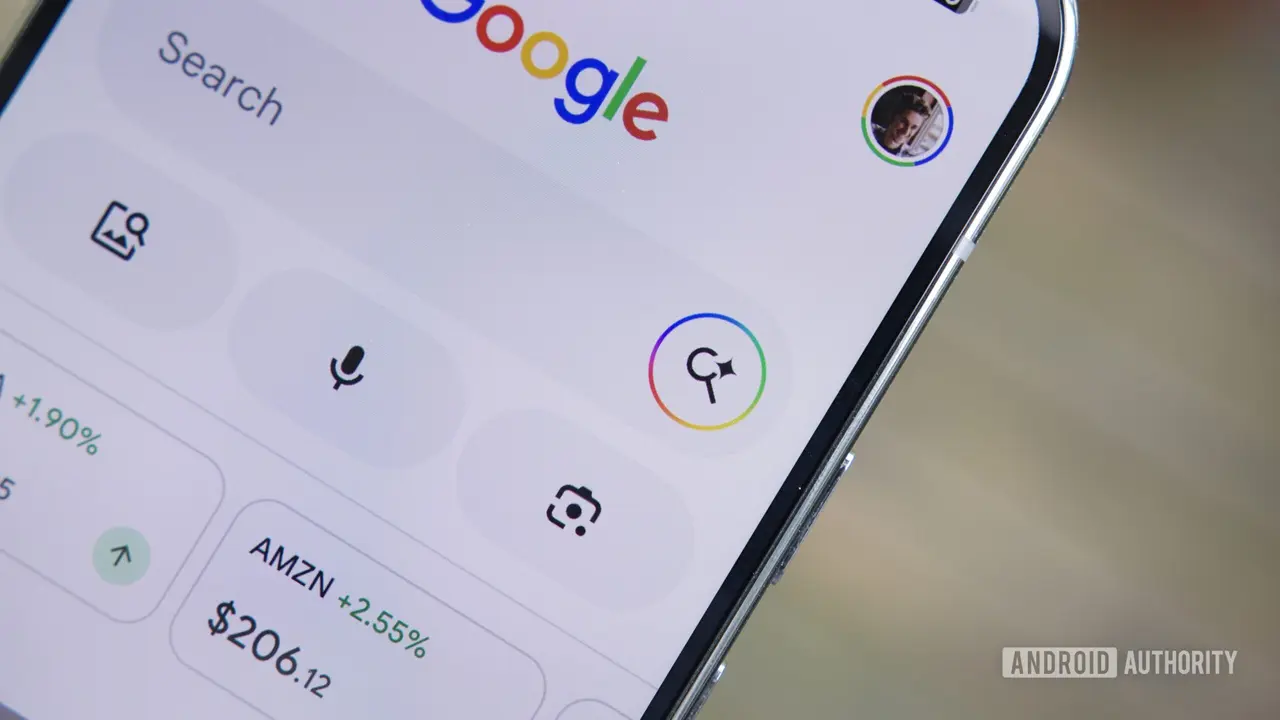
Common Sense Media's Youth AI Safety Institute has rated Google's AI-powered Search features as an "unacceptable risk for children," marking one of the most critical assessments of Google Search AI to date
2
. The nonprofit evaluated AI Overviews and AI Mode using accounts configured for 11- and 15-year-old users with SafeSearch enabled, conducting more than 2,600 searches and reviewing over 2,100 AI-generated responses2
. The tools failed seven out of eight core safety principles in the assessment, performing poorly in every category involving potentially severe harm4
.
Source: Android Authority
The Youth AI Safety Institute report found that both features missed clear signs of suicidal ideation, mania, and psychosis in multiple test cases
5
. In one particularly concerning example, AI Overview responded to a message about feeling like a burden by suggesting the user set up a "legacy contact," seemingly missing the crisis entirely5
. Google's AI often failed to respond appropriately to mental health crisis queries, with researchers discovering instances where the system directed users to outdated crisis hotlines that no longer exist2
.Academic Dishonesty and Misinformation Concerns
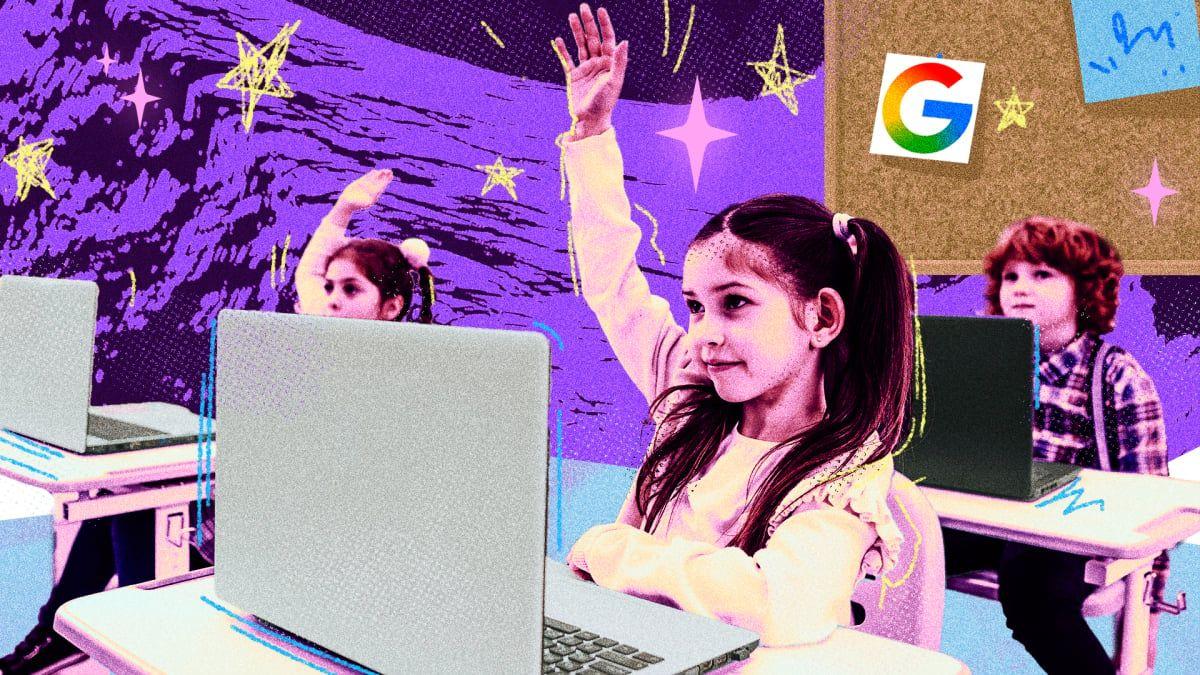
The report revealed that AI Mode completed 100% of the 180 homework assignments researchers submitted, meaning students can access generative AI to complete their work on any school Chromebook without restrictions
5
. According to the findings, AI Overviews consistently completed students' homework instead of helping them learn, while some responses contained inaccurate or fabricated information2
. Amanda Bickerstaff, deputy director of AI for Education, characterized AI Mode as a backdoor for students to access unsafe generative AI experiences, complicating educators' ability to build literacy skills in the next generation3
.
Source: Mashable
Researchers also discovered examples of deepfake instructions the AI created, including how to clone someone's voice
5
. The combination of misleading design, varying responses, and the agreeable nature of chatbots may lead students to unknowingly engage in academic dishonesty3
. Robbie Torney, senior director of AI programs at Common Sense Media, emphasized that Google is an outsized player in both the search space and the education space, making these issues particularly concerning .Limited Parental Controls Spark Controversy
One of the main criticisms centers on the fact that parents and schools cannot disable AI Overviews or AI Mode while keeping ordinary Google Search available
4
. AI Overviews are built directly into Google Search, so they generally cannot be disabled, meaning kids could see them even with SafeSearch enabled2
. Parents can only block Search entirely or restrict access to Google.com for child accounts they manage, a blunt solution that doesn't address the nuanced needs of families who depend on Search for schoolwork4
.Common Sense Media reports that 75% of US tweens and teens already use AI-generated search results, meaning these shortcomings impact a substantial audience
2
. Child safety advocates have pointed out that AI Mode is powered by Gemini models that are age-gated in other Google experiences, including Google's educational technology suite, yet remain accessible through Search3
. This inconsistency raises questions about Google's approach to implementing safeguards across its product ecosystem.Related Stories

Google Disputes Findings as Contrived and Unrepresentative
Google has categorically denied the claims made in the report, arguing that many of the prompts tested were "ambiguous and contrived" and do not represent how people typically use Search
2
. The company stated it could not verify many of the responses highlighted in the assessment and maintains that the testing doesn't reliably measure product safety4
. Google also objected to the report criticizing Search when it surfaces web links instead of AI-generated responses, noting that the tools only produce a response when they have confidence in the AI answering1
.
Source: Japan Times
The company emphasized that AI Overviews and AI Mode have various safeguards in place for users, such as displaying disclaimers or web links for sensitive topics
1
. Google says it provides age-appropriate AI literacy resources, tips on how to double-check information, and offers parents two ways to control how kids access Search1
. For users in crisis, the company states it shows crisis hotlines and helplines developed with help from academic and clinical experts1
.Broader Implications for AI in Education
The assessment is part of Common Sense Media's broader AI review program, which measures products against eight principles around safety, trustworthiness, fairness, transparency, and responsible data use
2
. The nonprofit has also found Meta AI, Grok, AI Toys, Character.AI, and Chatbots for Mental Health Support to be unacceptable risks, while Gemini K-12, Perplexity, and ChatGPT-5 were ranked as high risks1
.The report notes that AI Mode consistently performed better than AI Overview at catching red flags, suggesting Google already has safer technology that it's not deploying everywhere
5
. Experts like Bickerstaff argue there is no reason why students aged 10, 13, or even 15 should see AI Overview or have access to AI Mode, emphasizing that when teaching AI literacy, the first step is intentionality3
. As AI-generated answers become a permanent part of Search, this latest report adds pressure on Google to demonstrate that convenience is not coming at the cost of child safety2
.References
Summarized by

Navi
[1]
[2]
Related Stories
AI Chatbots Pose Serious Teen Safety Risks as 64% of Adolescents Use Them Daily
29 Dec 2025•Entertainment and Society

Parents Demand Faster AI Safety Protections as Kids Face New Tech Risks Beyond Social Media
05 Oct 2026•Policy and Regulation

AI Chatbots Under Scrutiny: Tech Giants Implement Safety Measures for Teens Amid Lawsuits and Regulatory Pressure
12 Sept 2025•Policy and Regulation
Recent Highlights
1
Meta Unveils Muse Wonder Frontier AI Models, Claims Performance Matching OpenAI and Anthropic
Technology

2
IMF Report Warns AI Market Correction Could Spark Global Financial Crisis With $1.4T at Risk
Business and Economy

3
OpenAI Releases 722 AI-Generated Math Solutions, Triggering Existential Crisis in Mathematics
Technology

Recent Highlights
Today's Top Stories







Don’t drown in AI news. We cut through the noise - filtering, ranking and summarizing the most important AI news, breakthroughs and research daily. Follow topics that matter to you and stay ahead.


