Google bans Gemini accounts over OpenClaw usage as compute costs spiral out of control


5 Sources
[1]
Google Antigravity falls to Earth under compute burden
Company tries to curb strain by banning customer accounts for 'malicious' usage Google customers paying $250 per month for AI Ultra subscriptions and less extravagant spenders have been surprised to find their accounts suspended for using the company's Antigravity agent development app and Gemini
[2]
What's behind the OpenClaw ban wave
OpenAI currently isn't banning ChatGPT users for OpenClaw usage after recently hiring the tool's creator, highlighting inconsistent industry responses. If you've been using your flat-rate Claude or Gemini account to feed OpenClaw and its eye-popping AI abilities, get ready to be
[3]
Google cuts access to Antigravity for some OpenClaw users citing malicious usage
Google caused controversy among some developers this weekend and today, Monday, February 23rd, after restricting their usage of its new Antigravity "vibe coding" platform, alleging "maliciously usage." Some users who had been using the open source autonomous AI agent OpenClaw in conjunction with
[4]
Google Restricts Gemini AI Ultra Accounts Over OpenClaw OAuth Access
Account Restrictions Hit Gemini AI Ultra Users Using OpenClaw OAuth Users on the Google AI Ultra plan, priced at $249.99 per month, said they suddenly lost access after connecting Gemini through using Antigravity OAuth tokens. Several users reported 403 "Terms of Service" style errors and
[5]

OpenClaw users lost access to Gemini AI services, Google Antigravity lead Varun Mohan explains why
The issue raises concerns about relying on AI services controlled by big tech companies. Google has recently restricted access to its Antigravity AI tool powered by Gemini for some users. The affected users were those who used OpenClaw, which is an open-source AI assistant that assists people in
Share
Copy Link
Google has suspended customer accounts for using OpenClaw with its Gemini AI services and Antigravity platform, citing overwhelming compute demand. Users paying $250 per month for AI Ultra subscriptions lost access without warning, sparking debate over whether the usage was truly malicious or simply unexpected. The crackdown reveals how AI companies struggle to balance flat-rate pricing with actual infrastructure costs.
Google Gemini Users Face Account Bans Over OpenClaw Integration
Google has begun suspending customer accounts for using OpenClaw with Google Gemini and its Antigravity agent development platform, marking a significant shift in how AI service providers manage third-party agent tools
1
. Users paying $250 per month for AI Ultra subscriptions discovered their access abruptly terminated, often without advance warning, after connecting the viral open-source AI agent to their Google services through OpenClaw OAuth access4
.
Source: Analytics Insight
The account bans have affected developers who used OAuth credentials from Google Antigravity to power OpenClaw, a tool that automates complex workflows by connecting to various LLM providers
2
. Several users reported receiving 403 errors citing terms of service violations, with some losing access not only to AI tools but also to connected services like Gmail and Google Workspace3
. The restrictions came without refunds, leaving paying customers locked out of services they had actively subscribed to.Compute Burden Drives Enforcement Action
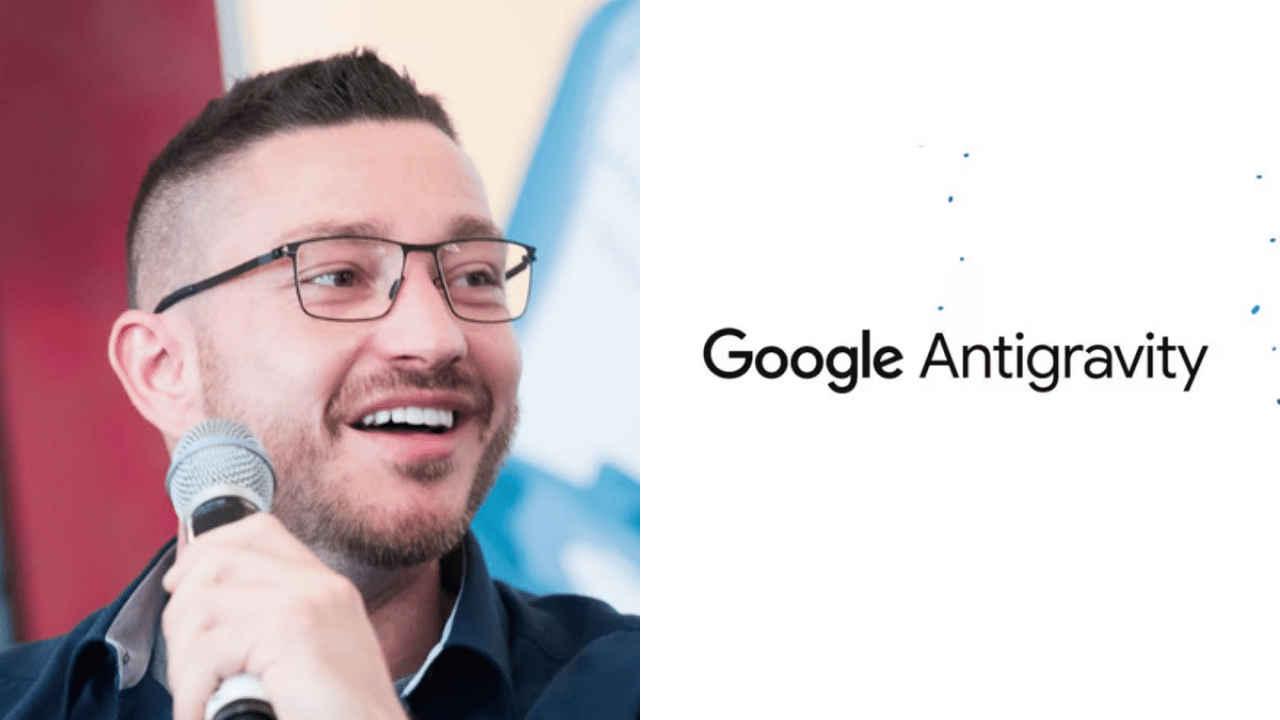
Varun Mohan, a DeepMind engineer and former Windsurf co-founder who now leads Antigravity, explained that Google detected "a massive increase in malicious usage of the Antigravity backend that has tremendously degraded the quality of service"
1
. The company needed to quickly shut off access to users not using the product as intended, though Mohan acknowledged that some users were unaware their actions violated terms of service violations5
.
Source: Digit
The core issue stems from excessive token consumption. OpenClaw's agentic AI capabilities consume millions of tokens in single sessions—a simple "how are you?" query can burn through 30,000 tokens or more, compared to a few thousand for standard ChatGPT interactions
2
. When users authenticate flat-rate subscription accounts rather than pay-per-token API access, they effectively bypass rate-limiting policies designed to manage compute demand2
.Mohan clarified that Google blocked Antigravity usage specifically, stating it "is not intended to use the Antigravity backend as a proxy for other products" as users in these groups "overwhelmed our compute"
1
. The situation reveals how AI companies price tokens far below cost to capture market share, leaving them unprepared when developers leverage flat-rate accounts through third-party agent tools1
.Industry-Wide Crackdown on OAuth Workarounds
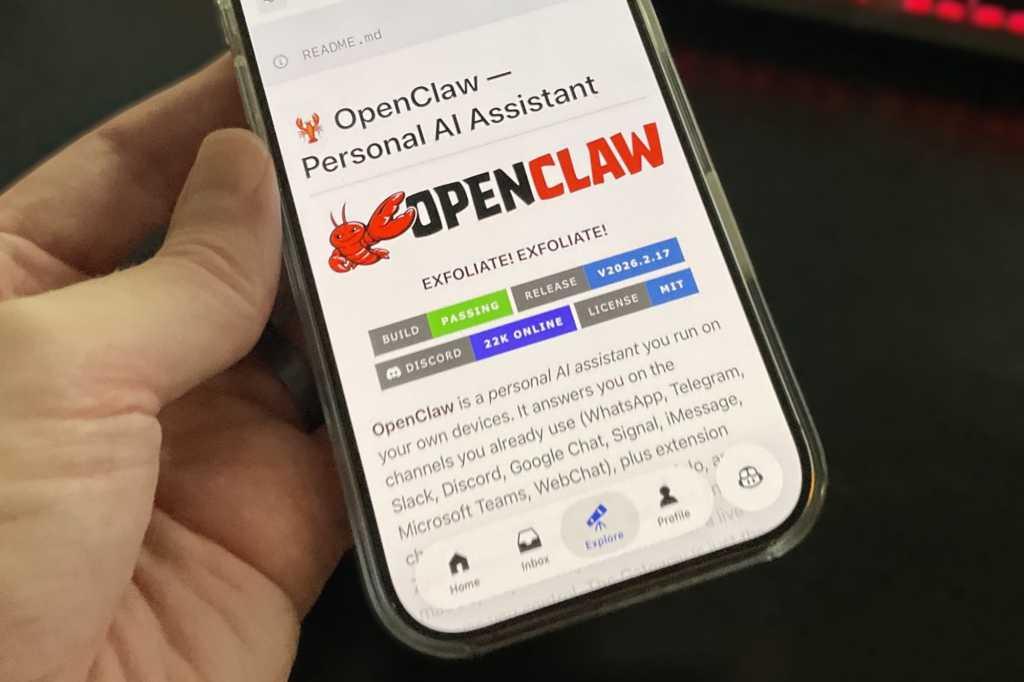
Google's enforcement mirrors actions by Anthropic, which has also banned users for connecting Claude subscriptions to OpenClaw rather than using its higher-cost API
1
. Anthropic introduced client fingerprinting to ensure Claude Code remains the exclusive interface, effectively blocking open-source AI tools like OpenClaw3
.
Source: PCWorld
OpenAI presents a notable exception—the company isn't suspending customer accounts for OpenClaw usage, likely because it recently hired OpenClaw creator Peter Steinberger to lead its "next generation of personal agents"
2
3
. While OpenClaw remains an open-source project, it now operates with OpenAI's financial backing and strategic guidance, creating competitive tensions3
.Steinberger criticized Google's approach as "pretty draconian" and announced plans to remove support for Google Antigravity OAuth credentials from OpenClaw
2
. The timing appears significant: by cutting OpenClaw's access to Antigravity just one week after Steinberger joined OpenAI, Google effectively severed a pipeline allowing an OpenAI-adjacent tool to leverage its most advanced Gemini AI Ultra models3
.Related Stories

Developer Backlash and Trust Concerns
AI engineer Mohan Prakash challenged the characterization of malicious usage, arguing that "users paid for quota, used quota within limits, got banned"
1
. He noted that terms of service don't explicitly prohibit OpenClaw integration and suggested that if Google wanted to prevent such usage, it should return errors like Anthropic does rather than suspending customer accounts retroactively. "Banning paying customers without warning is how you lose trust faster than you lose capacity," Prakash wrote1
.The controversy highlights platform fragility and infrastructure challenges facing AI agents. While OpenClaw enables users to run shell commands and automate workflows efficiently, continually evolving AI agents may inadvertently trigger rate limits or terms violations
3
. Companies are now building governance layers for enterprise customers to access OpenClaw securely, though solutions remain nascent3
.For developers, the shift signals the end of interoperability that defined early LLM development. AI service providers now prioritize walled garden ecosystems where they control telemetry and subscription revenue completely, often at the expense of open-source AI tools
3
. Google stated it's working to restore access for banned users, though whether this involves amending terms of service or establishing secure connections between OpenClaw and Antigravity models remains unclear3
. The situation raises fundamental questions about relying on AI services controlled by major tech companies and what usage patterns will be permitted as compute costs continue climbing5
.References
Summarized by

Navi
[1]
[2]
[4]
Related Stories
Google caps Meta's Gemini use as AI capacity constraints hit even tech giants
28 Jun 2026•Technology
Anthropic blocks OpenClaw from Claude subscriptions, sparking controversy over third-party tools
04 Apr 2026•Technology
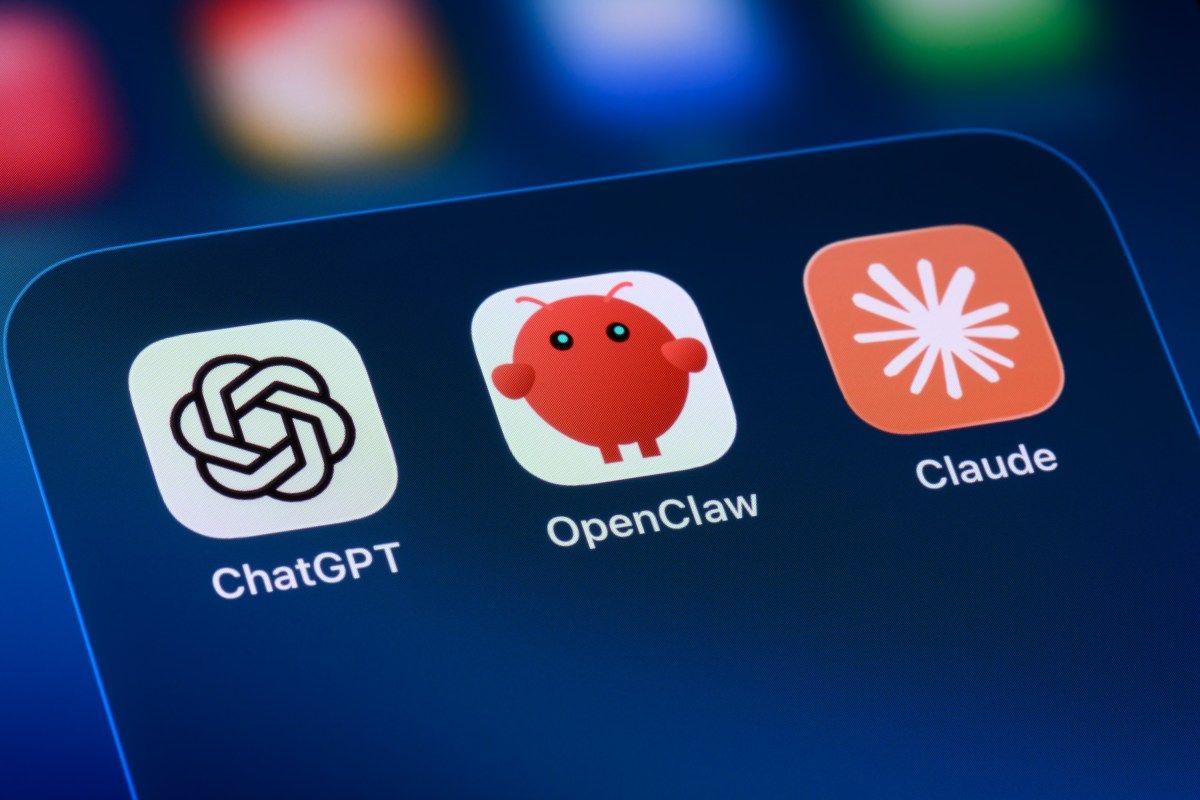
Google Gemini switches to compute-based limits as user backlash forces quota increases
18 May 2026•Technology
Recent Highlights



Recent Highlights
Today's Top Stories






Don’t drown in AI news. We cut through the noise - filtering, ranking and summarizing the most important AI news, breakthroughs and research daily. Follow topics that matter to you and stay ahead.


