Report: NVIDIA bankrolled its own customers to soak up spare chips instead of cutting prices


2 Sources
[1]
Nvidia deliberately kept GPU prices high through circular financing deals, report claims
Serving tech enthusiasts for over 25 years. TechSpot means tech analysis and advice you can trust. Connecting the dots: The AI boom has been widely blamed for GPU prices spinning out of control over the past year. Following Jensen Huang's resignation from Nvidia, new information suggests that
[2]
Instead Of Lowering GPU Prices, Former NVIDIA CEO Jensen Huang Reportedly Financed AI Startups To Absorb Excess Silicon, Shattering The Shortage Perception
* 0-20%: Unlikely - Lacks credible sources * 21-40%: Questionable - Some concerns remain * 41-60%: Plausible - Reasonable evidence * 61-80%: Probable - Strong evidence * 81-100%: Highly Likely - Multiple reliable sources Now that NVIDIA's Jensen Huang is no longer the company CEO, we have some
Share
Copy Link
NVIDIA reportedly financed its own customers to absorb excess TSMC-ordered chips rather than lower GPU prices. Interim CEO Colette Kress cut the OpenAI backstop and the unwind is in progress.
According to a Wall Street Journal profile of interim NVIDIA chief Colette Kress, Jensen Huang used the company's balance sheet to bankroll AI startups and datacenter projects so they would buy up excess chips rather than lower GPU prices
2
1
. If accurate, it weakens the shortage story that kept GPU prices high for years.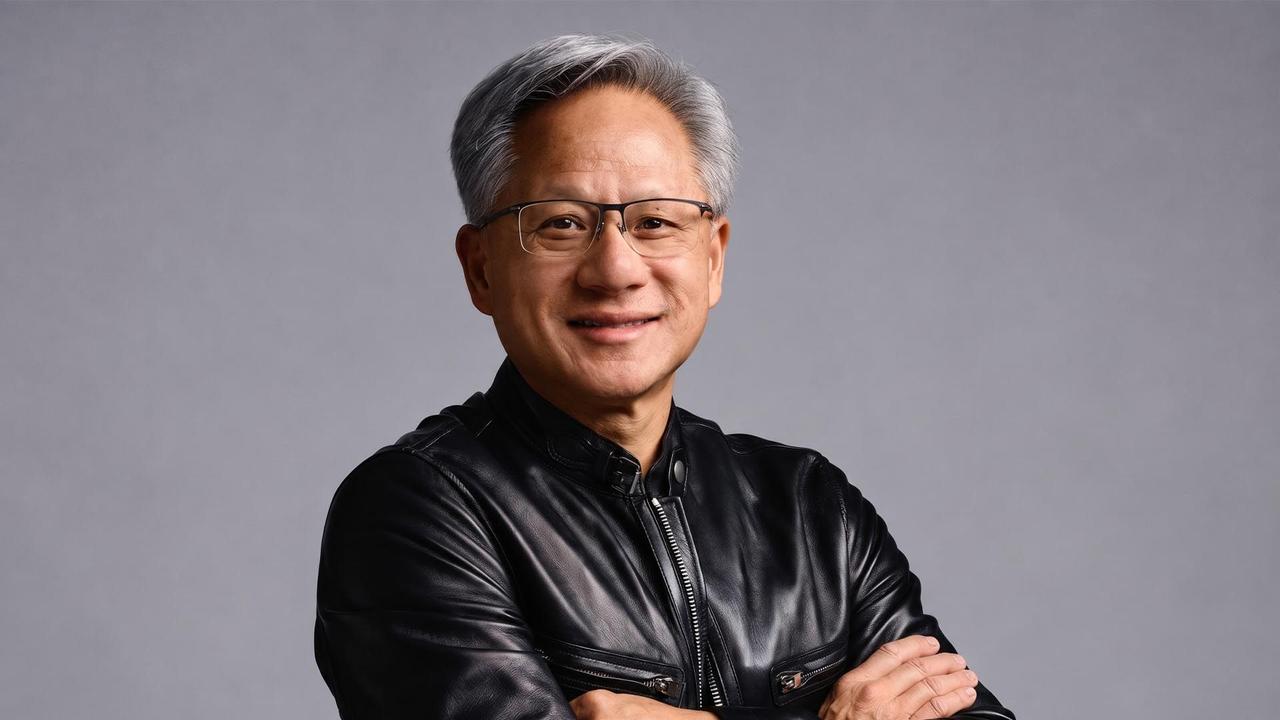
Source: Wccftech
The reported reason sits with Huang himself. He privately admitted the big cloud companies were shifting to their own custom chips, cutting their reliance on its parts. The company had also prepaid TSMC for wafer and memory commitments he described as "coming at him like an avalanche"
2
. Financing customers was, per the report, how those chips kept moving.The OpenAI backstop shrank
Early discussions floated backing roughly 8 gigawatts of OpenAI compute, worth up to $250 billion. Kress cut the signed guarantee cap roughly in half, to about 4.25 gigawatts worth up to $125 billion, per the report
2
1
.She did not get there easily. In an August confrontation reported by an insider account, she pressed to scale back the circular financing deals with smaller cloud providers. The same push covered major AI firms including OpenAI and Anthropic. Huang belittled her for questioning the deals, calling her "a deer in the headlights", per someone familiar with the matter
2
1
.What buyers paid
The consumer cost ran through memory. AI data centers have pulled memory and storage chip capacity away from consumer products, inflating prices. GeForce cards have often sold for more than 160% of their original list prices. The RTX 5090 has become effectively unobtainable as the company directs video memory and other chips to its data center GPUs instead
1
.In public, the message was different. At a Berlin conference, Huang told major clients a story about a Japanese soup vendor who refused him a second serving. He used it to argue for a diverse customer base and for keeping prices high. TechSpot reads the anecdote as illustrating how the financing inflated GPU prices by creating a perception of strong demand
1
. The practice was contested in public before any of this surfaced. Since at least 2025, the company and its executives faced accusations of circular financing prolonging the AI boom. Huang and Kress, then chief financial officer, rejected the comparisons to Enron1
. Wccftech goes further, calling the disclosures a betrayal of gamers and hardware buyers who endured years of elevated pricing2
.Related Stories

How the details came out
Huang, the company's founder, is no longer CEO, and the reporting followed his exit. He resigned after revelations of multiple extramarital affairs. One of those affairs was with Alice Huang, who runs the chip firm Megaspeed. US intelligence has suspected Megaspeed of diverting NVIDIA chips to China, possibly breaking export rules; Trump and the Justice Department have said that suspicion has not been determined
1
. Kress, the company's longtime chief financial officer, now holds the job on an interim basis. Huang also worried privately about its stock valuation falling behind other large tech firms1
.By summer 2026 the company had begun slowing, downsizing and pausing some financing deals, and it approached TSMC about winding down upcoming chip orders
2
1
. The retreat was still in progress, and only partial, when the report was published. Analyst Ed Zitron has estimated that at least $200 billion of NVIDIA's AI GPUs are idle in warehouses, bought by cloud giants short on grid capacity or end-user demand2
.
Source: TechSpot
References
Summarized by

Navi
[1]
Related Stories
Nvidia skips gaming GPUs at CES 2026, doubles down on AI as shortages squeeze PC gamers
02 Jan 2026•Technology

Nvidia CEO Jensen Huang says component shortage is 'fantastic' as AI boom reshapes priorities
07 Mar 2026•Business and Economy
Nvidia Bets Big: $99B in Equity Investments Drive 70% Revenue Growth Forecast Amid Debate
07 Sept 2026•Business and Economy

Recent Highlights


Recent Highlights
Today's Top Stories






Don’t drown in AI news. We cut through the noise - filtering, ranking and summarizing the most important AI news, breakthroughs and research daily. Follow topics that matter to you and stay ahead.


