Google Assistant Shutdown Confirmed for September 4 as Gemini Takes Over Despite User Backlash


11 Sources
[1]
We Finally Have a Date for the End of Google Assistant on Mobile Devices
UPDATE 8/6: Google has finally set an end-of-life date for the Google Assistant on mobile devices: Sept. 4, 2026. "As we transition our mobile experience to Gemini, Google Assistant will no longer be available on your mobile device," Google said in an email to users this week. "We will begin
[2]
Google is killing Assistant on phones September 4. Gemini is the only option left.
Google confirmed Assistant on Android phones dies September 4, forcing everyone to Gemini. Smartwatches, headphones, and Android Auto also affected. TVs and built-in car systems transition later. No date for those. Google confirmed in emails to users that Assistant on Android phones will shut down
[3]
Google Assistant shuts down on Android in September -- here's what's next
Google Assistant is going away after a stay of execution last year. Google is emailing customers to let them know that its original voice assistant will be "discontinued" in favor of Gemini on Android and Wear OS starting September 4. The shutdown will "take a few weeks," Google says. When
[4]
Google Assistant dies in September: what you need to know and how to switch to Gemini
Over the last year and change, Google has been slowly lopping off parts of Google Assistant and replacing them with Gemini. Now, it appears Assistant has an official end date. As reported by 9to5Google, an announcement email has apparently been sent to some users. A full version of the email
[5]

'This will be my last Pixel': Android fans are rebelling against the imminent demise of Google Assistant -- here are 5 reasons why
* Gemini is soon set to replace Google Assistant on Android devices * Android fans seem largely unhappy with this change * They've highlighted five things they dislike about Gemini, the main one being that it's bad at carrying out simple tasks Just over a decade after it launched, Google
[6]

Five Ways to Make Gemini Behave More Like Google Assistant
Google Assistant is about to get one heck of a headstone in the Google Graveyard. The voice assistant has been a handy tool for years, but the company has finally decided to replace it with Gemini entirely. If you're not exactly thrilled about the AI-ification of every app you use, there are a few
[7]

Google Is Finally Shutting Down the Google Assistant. Here's What Android Users Need to Know
Google will begin removing the Google Assistant from Android phones and connected devices on September 4, forcing remaining users onto Gemini even though its replacement still cannot perform every Assistant function. The phaseout will affect Android phones and tablets, Wear OS watches, headphones,
[8]

Google Gemini Replaces Google Assistant for Advanced Tasks
The Gemini AI ecosystem is a key component of Google's suite, designed to integrate AI-driven functionality across various applications. According to AI Master, the ecosystem operates through four interconnected levels, including the foundational AI Engine, which supports features like
[9]

Google is shutting down a popular AI assistant after 10 years
More than a year after announcing plans to phase it out, Google is finally moving ahead with a major change that will affect millions of consumers. The familiar tool has been part of people's daily routines for years, helping with everything from simple questions and reminders to controlling
[10]

Google to fully replace Google Assistant with Gemini on Android mobile devices starting September 4
Google has announced the official phase-out of the legacy Google Assistant on Android mobile devices, making Gemini the primary AI-powered assistant experience across the platform. The transition will begin on September 4, marking a permanent shift toward Google's next-generation artificial
[11]

'Please Google, Don't Force Me to Switch to Gemini... I Hate It.' - Users Lament Google's Upcoming Plan to Kill Google Assistant and Replace It With AI
Google is killing off Google Assistant on Android devices starting on September 4, replacing the service with Gemini. This means that voice-controlled assistant tasks - the sort of thing summoned up with a "Hey Google" - will now be routed through Gemini instead of the older service. Gemini is
Share
Copy Link
Google announced that Google Assistant on mobile devices will shut down starting September 4, 2026, with Gemini becoming the mandatory replacement. The transition affects Android phones, Wear OS devices, and Android Auto, though the move has sparked significant user backlash over Gemini's handling of simple tasks.
Google Confirms September 4 Shutdown Date for Assistant
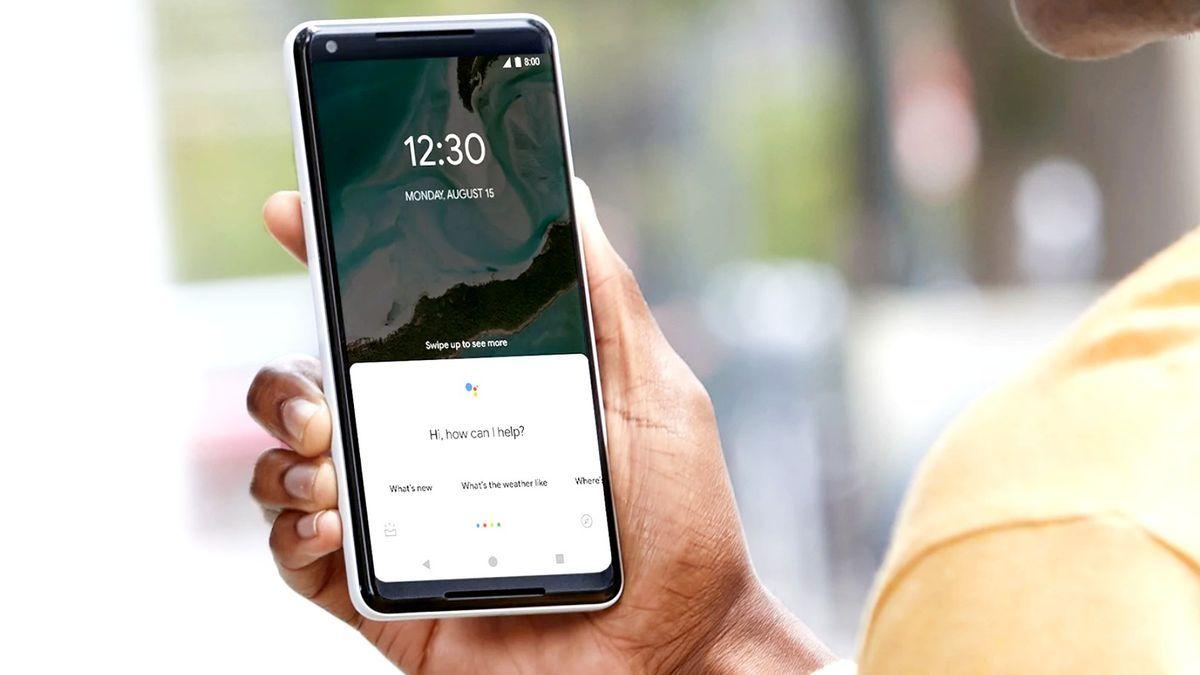
Google has officially set September 4, 2026, as the end-of-life date for Google Assistant on mobile devices
1
. In emails sent to users this week, the company confirmed that the discontinuation of Google Assistant will begin on that date and may take several weeks to reach all users2
. Once the process completes, users will lose the ability to access or revert to Google Assistant on their phones, tablets, and paired devices3
. This marks a definitive end to the voice assistant that has served Android users for over a decade5
.
Source: TechRadar
The transition to Gemini represents a fundamental shift in how Google approaches voice assistance. The company initially planned to replace Google Assistant with Gemini by the end of 2025, but delayed the rollout to 2026 to address capability gaps
3
. Google now considers its AI-powered assistant ready to handle the full range of tasks previously managed by Assistant.Widespread Impact Across Android Ecosystem
The Google Assistant shutdown extends far beyond smartphones. Devices running Wear OS, headphones and earbuds compatible with Gemini, and vehicles using Android Auto connected to phones will all lose access to Google Assistant
1
. The only exceptions are cars with Google built-in, where Assistant will continue functioning after September 42
. Android-powered TVs, set-top boxes, and vehicles with Google built-in will transition later, though no specific date has been announced2
.The Gemini app requires at least 2GB of RAM on phones running Android 9 or later
1
. Google plans to keep Assistant available only for select older mobile devices running Android 9 software or earlier with less than 2GB of RAM, which represents a small fraction of users1
. For the vast majority of Android users, the switch to Gemini is mandatory.
Source: Inc.
User Backlash Highlights Gemini's Shortcomings
The forced transition has triggered substantial user dissatisfaction across Android communities. Reddit discussions reveal almost universally negative sentiment, with comments like "Gemini absolutely sucks," "it's so bad," and "I don't like how Gemini is being shoehorned into everything"
5
. Some users are threatening to abandon Pixel and Android devices entirely, with statements such as "this will be my last Pixel. I don't do AI" and "I may legitimately discontinue my use of phones that use Gemini"5
.The primary complaint centers on Gemini's inability to handle simple tasks that Google Assistant executed reliably. One user described asking Gemini to set an alarm for 3-hour parking, which turned into a multi-step conversation where the assistant asked why they wanted the alarm, then suggested it could set one, requiring three separate prompts to complete what Assistant handled in one command
5
. Users report that Gemini frequently "lies" about completing tasks, claims it cannot perform functions it clearly can, uses more battery and data, and proves worse in every measurable way for basic voice commands5
.Related Stories

The Tension Between AI Capability and Reliability
Google rebuilt its approach around AI-generated responses, but this creates friction for users who valued predictability
2
. Google Assistant was limited but reliable, handling straightforward commands like setting timers, playing music, or checking weather with consistency. Gemini brings conversational AI capabilities and can engage in back-and-forth discussions on complex topics3
, but this power comes at the cost of reliability for simple tasks.The shift means "Hey Google" now connects users to a generative AI chatbot instead of a rule-based assistant
2
. For users wanting basic functions, Gemini is simultaneously more capable than necessary and occasionally less reliable than what it replaces. A German court recently ruled Google liable for AI-generated content, and every voice interaction that Gemini handles differently from Assistant represents a user experience change Google is imposing without user consent2
.What Users Need to Know Before September 4
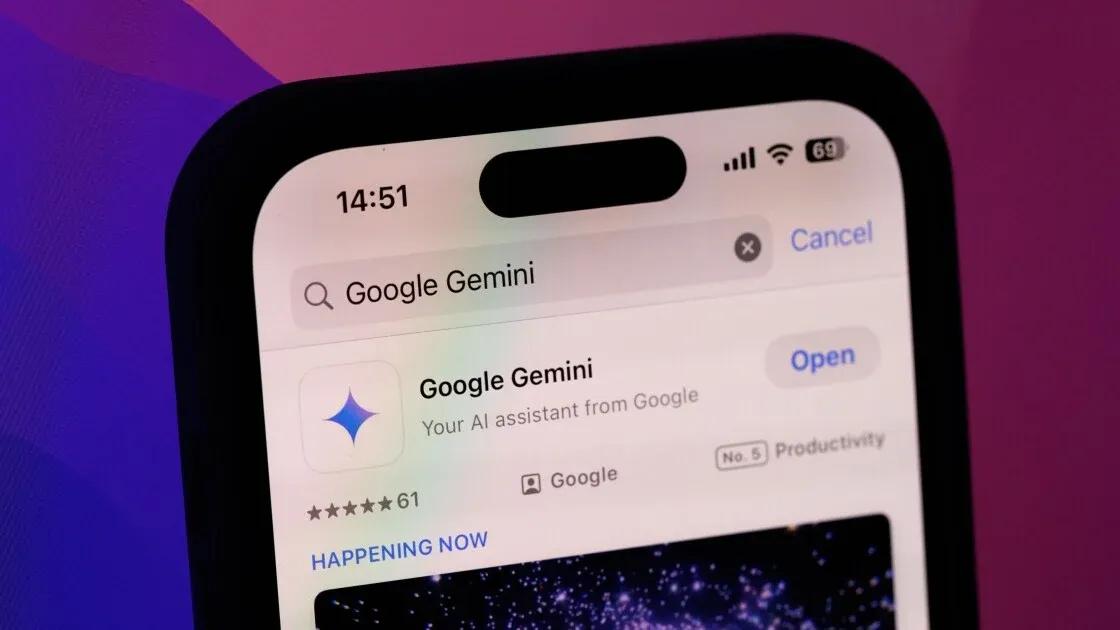
Users can adopt Gemini before the September 4 cutoff by downloading the Gemini app from the Play Store, opening Settings, choosing Apps, selecting Assistant, choosing Digital assistants from Google, then selecting Gemini
3
. Commands used in Google Assistant should translate to Gemini, and the AI-driven transition allows for more natural requests3
. Gemini conversations will sync across devices, unlike Assistant which lacked a true chat archive4
.
Source: PC Magazine
Google vows a "smooth transition" and expresses confidence that Gemini will prove more useful than the outgoing assistant
3
. The company points to Gemini's rollout to smart home devices like the Google Home Speaker and integration with vehicles from manufacturers like GM3
. On higher-end Android devices, Google is launching Gemini Intelligence to offer agent-level app control3
. Unless Google makes alternative AI models available, Gemini represents Android's mandatory future, leaving users who prefer simpler assistants with limited options beyond turning off voice control entirely2
.References
Summarized by

Navi
[4]
Related Stories
Google to Replace Assistant with Gemini: A Major Shift in AI Strategy
15 Mar 2025•Technology

Google Brings Gemini AI to Android Auto: A Major Upgrade for In-Car Experience
14 May 2025•Technology
Google Sets March 2026 Deadline for Assistant Phase-Out as Gemini Rollout Accelerates Across Android Ecosystem
24 Nov 2025•Technology

Recent Highlights
1
Microsoft and Nvidia Launch Surface Laptop Ultra: A $2,599 AI-Ready PC With RTX Spark Chip
Technology

2
Google Unveils Gemini 4 Argon AI Model, Restricts Access to Trusted Cyber Defenders
Technology
3
Trump Consulted Grok AI Before Ordering Venezuela Invasion and Capture of Nicolás Maduro
Policy and Regulation

Recent Highlights
Today's Top Stories






Don’t drown in AI news. We cut through the noise - filtering, ranking and summarizing the most important AI news, breakthroughs and research daily. Follow topics that matter to you and stay ahead.


