Google Defends AI Search Features, Claiming Stable Web Traffic and Increased Click Quality


8 Sources
[1]
Google search boss says AI isn't killing search clicks
Google has often bristled at the implication that its obsession with AI search is harming web traffic, and now search head Liz Reid has penned a blog post on the topic. According to Reid, clicks aren't declining, AI is driving more searches, and everything is fine on the Internet. But despite the
[2]
Google denies AI search features are killing website traffic | TechCrunch
Numerous studies indicate that the shift to AI search features and the use of AI chatbots are killing traffic to publishers' sites. But Google on Wednesday denied that's the case, at least in aggregate. Instead, the search giant says that total organic click volume from its search engine to
[3]
Google: Actually, AI in Search is driving more queries and higher quality clicks
Last month, a Pew Research Center report shed light on Google's AI Overviews' effect on web publishing. In short, the analysis painted an abysmal outlook for anyone relying on web traffic. But on Wednesday, Google Search head Liz Reid penned a blog post that puts quite a different spin on things.
[4]
Google says AI not causing traffic declines & that it cares more about web's health than competition
Google is out with a blog post today rebutting recent reports that its AI features are causing traffic declines. The extended response comes from VP and Head of Search Liz Reid. At a high level, Google says that Search -- with features like AI Overviews and AI Mode -- continues to drive traffic to
[5]

AI in Search is driving more queries and higher quality clicks
AI is driving the most significant upgrade of the Google Search experience ever. With AI Overviews and more recently AI Mode, people are able to ask questions they could never ask before. And the response has been tremendous: Our data shows people are happier with the experience and are searching
[6]

Google Claims AI Features Provide 'More Quality Clicks' as Traffic Declines
It said that people are visiting websites with forums, videos, podcasts Google defended its search engine's artificial intelligence (AI) features amid growing concerns about their role in the global decline of website traffic. On Wednesday, the Mountain View-based tech giant said that third-party
[7]

Google Insists AI Overviews Are Not Hurting Traffic As Publishers Face Crippling Losses And Content Creators Fight To Survive The New Search Reality
Google's AI Overviews have caused an uproar in the tech community for hurting web traffic and causing huge company losses. Many publishers and SEO experts have raised serious debates and concerns across the web over declining click-through rates and a fall in their website traffic. The search
[8]

Is Google's AI Search killing website traffic? Here's what the company says
According to Google, the AI responses show more links on the page, which means more chances for websites to get noticed and clicked. There's been a lot of talk lately about whether Google's new AI-powered Search experience is taking away traffic from websites. With features like AI Overviews and
Share
Copy Link
Google's search head Liz Reid responds to concerns about AI's impact on web traffic, asserting that AI features are driving more searches and higher quality clicks, despite conflicting third-party reports.
Google's Defense of AI Search Features
In a recent blog post, Google's VP and Head of Search, Liz Reid, has addressed growing concerns about the impact of AI on web traffic. This comes in response to reports suggesting that AI features in Google Search are causing significant declines in traffic to websites
1
. Reid's post paints a different picture, asserting that AI is actually driving more searches and higher quality clicks5
.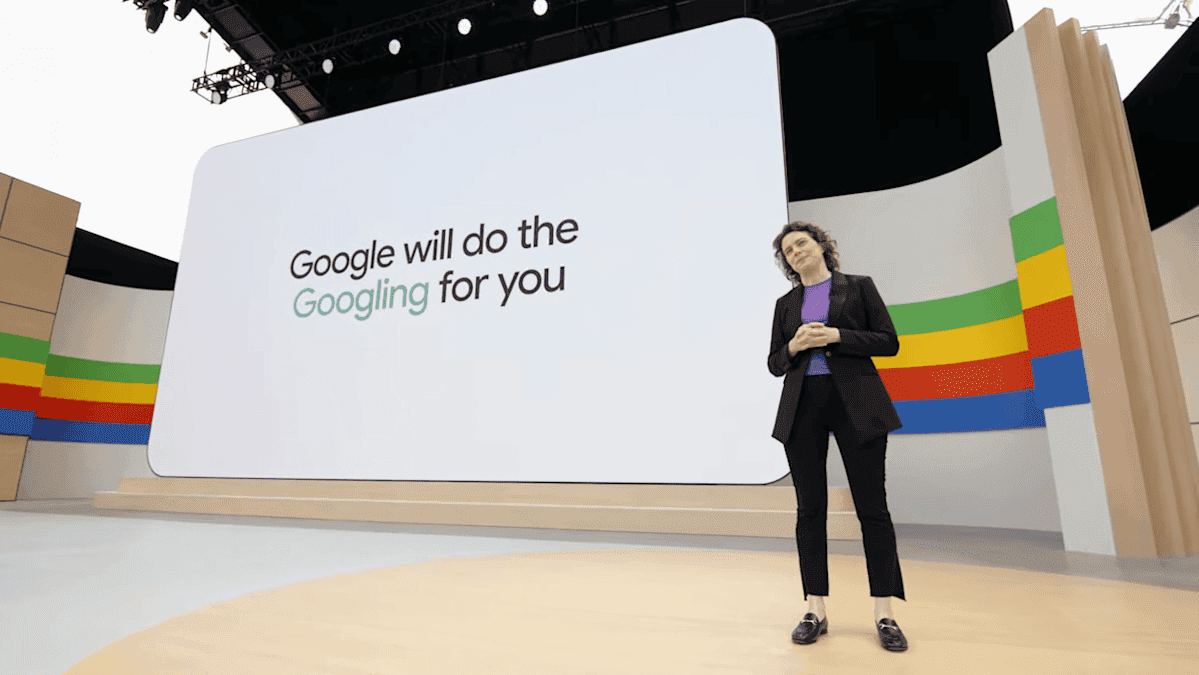
Source: Engadget
Stable Traffic and Increased Click Quality
According to Reid, the total organic click volume from Google Search to websites has remained "relatively stable year-over-year"
2
. Google claims that not only has traffic remained stable, but the average click quality has also increased. The company defines a quality click as one where users don't quickly bounce back to the search results3
.AI Driving More Complex Queries
Reid argues that AI features like AI Overviews and AI Mode are encouraging users to ask more complex questions that they couldn't ask before. This has led to an increase in the number of searches and more links being displayed on search result pages
5
. Google sees this as creating more opportunities for websites to surface and get clicked.
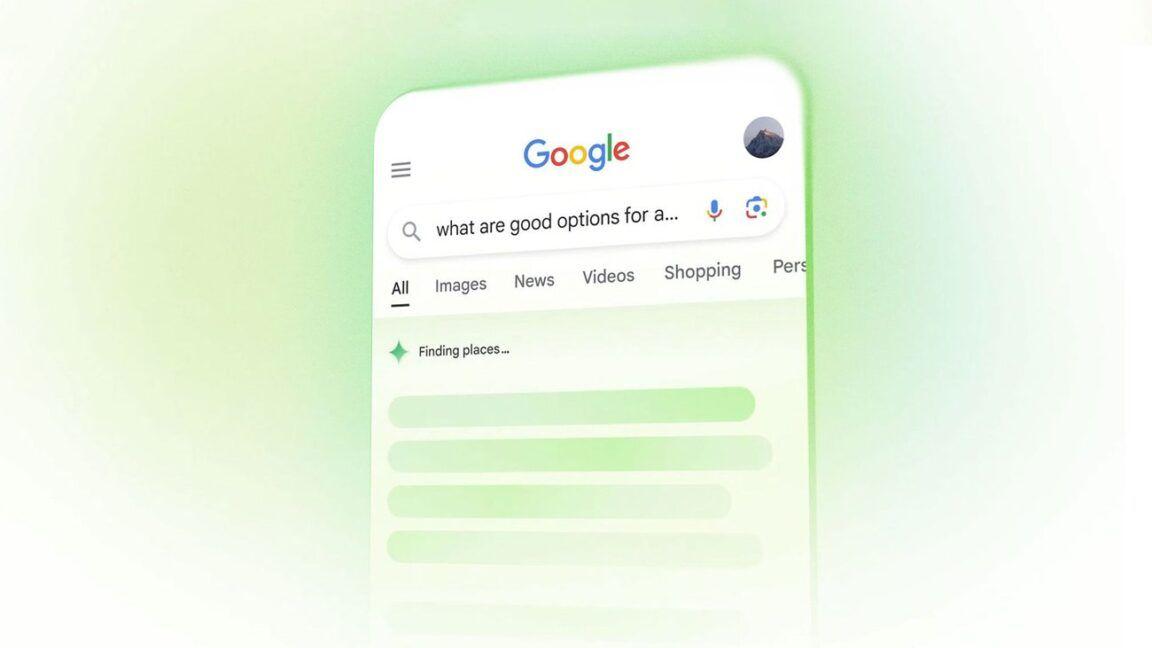
Source: Digit
Shifting User Trends
While overall traffic remains stable, Google acknowledges that user trends are shifting. Reid notes that people are increasingly seeking out "authentic voices and first-hand perspectives," leading to increased traffic for sites with forums, videos, podcasts, and posts offering unique perspectives
1
. This shift has resulted in decreased traffic for some sites and increased traffic for others.Contrasting Third-Party Reports
Google's claims contrast sharply with recent third-party reports. A Pew Research Center analysis showed that searches with AI Overviews resulted in lower click-through rates
1
. Another study by Similarweb indicated that the number of news searches resulting in zero clicks to news websites has grown significantly since the launch of AI Overviews2
.Related Stories


Google's Commitment to Web Ecosystem
Reid emphasizes Google's commitment to the health of the web ecosystem, stating that the company continues to send billions of clicks to websites daily
4
. Google views its AI experiences as built to highlight the web, not replace it, featuring prominent links and visible citation of sources5
.
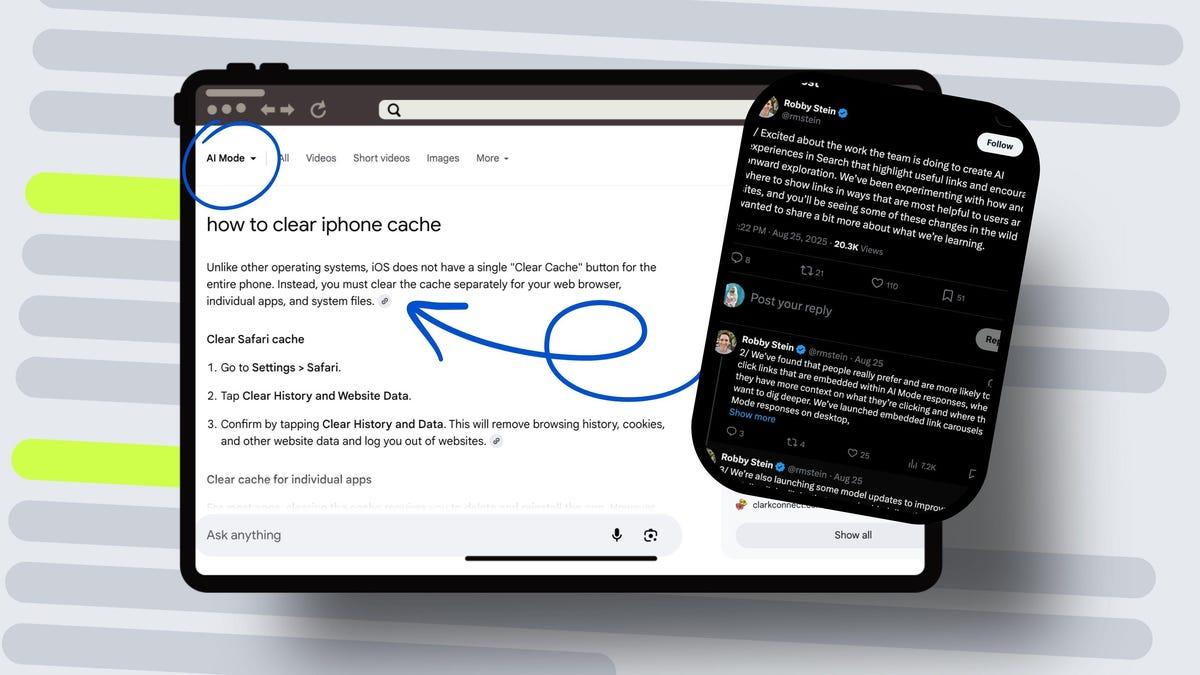
Source: 9to5Google
Lack of Specific Data
Despite these claims, Google has not provided specific data to support its assertions. The absence of concrete numbers has led to skepticism among industry observers
2
. The company's blog post contains no data whatsoever to back up its claims3
.Future Outlook
Google believes that AI will usher in "one of the most expansionary moments for the web," empowering users to ask more questions and creators to reach more deeply engaged audiences
5
. However, the lack of specific data and conflicting reports from third-party sources leave many questions unanswered about the true impact of AI on web traffic and the future of search.References
Summarized by

Navi
[1]
[4]
Related Stories
Recent Highlights



Recent Highlights
Today's Top Stories









Don’t drown in AI news. We cut through the noise - filtering, ranking and summarizing the most important AI news, breakthroughs and research daily. Follow topics that matter to you and stay ahead.


