Google Faces Bipartisan Senate Scrutiny Over AI in Schools and Student Mental Health Concerns


3 Sources
[1]
Senators Blumenthal and Hawley press Google on AI in schools
The letter asks Google CEO Sundar Pichai to respond by Nov. 2 on what the company knows about AI's effect on students Sens. Richard Blumenthal, a Connecticut Democrat, and Josh Hawley, a Missouri Republican, sent a letter to Google $GOOGL CEO Sundar Pichai asking what the company knows about how
[2]
Google 'Putting Profits Over People' With AI Push In Classrooms, Says Richard Blumenthal: Warns Children'
Sen. Richard Blumenthal (D-Conn.) criticized Alphabet Inc.'s (NASDAQ:GOOGL) (NASDAQ:GOOG) Google efforts to expand artificial intelligence use in classrooms, warning that the company's push could harm students' academic performance and emotional well-being. Blumenthal Slams Google's AI Push In
[3]
Google faces Senate grilling over education AI as fears over kids' mental health mount
Google is facing a bipartisan Senate grilling over its aggressive push to put artificial intelligence in American classrooms amid mounting concerns that the technology could harm students' academic performance and mental health. Sens. Richard Blumenthal (D-Conn.) and Josh Hawley (R-Mo.) sent a
Share
Copy Link
Senators Richard Blumenthal and Josh Hawley sent a letter to Google CEO Sundar Pichai demanding answers about AI's impact on students. The bipartisan Senate inquiry follows a Wall Street Journal investigation revealing emotional and academic dependence among children using Google's AI products in schools.
Bipartisan Senate Inquiry Targets Google's AI Products in Schools
Senators Richard Blumenthal and Josh Hawley have launched a bipartisan Senate inquiry into Google's aggressive deployment of AI tools in American classrooms, demanding answers from CEO Sundar Pichai about what the company knows regarding AI's impact on student mental health and academic growth
1
3
. The Connecticut Democrat and Missouri Republican expressed "grave concern" that Google's push of AI products to children threatens the academic success and overall wellbeing of an entire generation1
. The senators set a Nov. 2 deadline for Google to respond to their detailed questions about corporate responsibility and safeguards1
3
.
Source: New York Post
Wall Street Journal Investigation Reveals Emotional Dependence Concerns
The Senate letter follows a September Wall Street Journal investigation that documented widespread concerns about Google's AI tools in classrooms
1
3
. Drawing on more than 60 conversations with educators, school officials, parents, students and clinicians, the investigation found many students have grown emotionally and academically reliant on Google AI1
. The Wall Street Journal investigation also examined Google's own research papers, which showed the company's researchers have cautioned that the technology can carry heightened risks for children and may cause cognitive and emotional harm1
. One particularly troubling case involved a Maryland teenager who was hospitalized after developing an intense dependence on the company's AI3
.Senators Demand Transparency on AI's Role in K-12 Education
Blumenthal and Hawley's letter asks Sundar Pichai pointed questions about Google's knowledge of potential harms, why AI features were made the default setting on school devices, and what concerns districts, teachers and parents have voiced about students leaning on AI academically and emotionally
1
. In one of their most direct demands, the senators asked whether Google has identified instances in which its classroom AI tools "encouraged a minor to engage in harmful behavior, emotional dependence, or failed to detect signs of suicidal or self-harm ideation"3
. The lawmakers also pressed Google to explain what safeguards it has implemented to prevent chatbots from engaging in inappropriate emotional exchanges with children3
.Google's Market Dominance and Promotional Efforts Under Scrutiny
Chromebooks make up roughly 59% of the devices in U.S. schools, giving Google significant influence over AI education
1
. By early October, Google had extended access to its Gemini student hub to every K-12 user on Google Workspace for Education1
. The senators demanded an accounting of Google's promotional efforts to expand AI adoption in schools, including how much the company has spent on such programs3
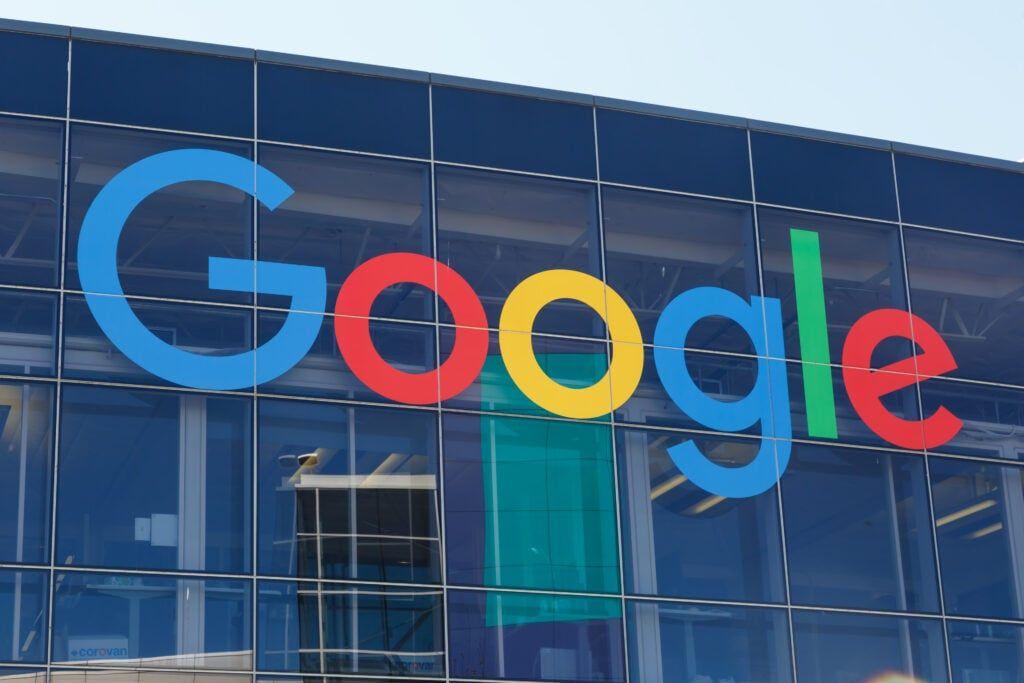
. "Google is putting profits over people -- & children are paying the price," Blumenthal wrote on X, accusing Google of "aggressively pushing AI in classrooms" and damaging students' academic and emotional well-being2
.
Source: Benzinga
Related Stories
Expert Warnings About Cognitive Development and Classroom Screen Time
Behavioral scientist Dr. Abbie Maroño warned that repeated AI assistance could undermine cognitive development: "Children need opportunities to work through uncertainty, make mistakes and discover that they can solve problems with support. If AI repeatedly supplies the answer before they have tried, it can remove opportunities to develop those skills"
3
. Maroño also cautioned that chatbots can create a misleading sense of trust through their reassuring responses, noting "a response can feel caring without being accurate or appropriate for that child"3
. Slipping test scores have driven a backlash against classroom screen time among people of all political stripes, with parent anger prompting districts such as New York City and Los Angeles to suspend AI use by students through moratoriums1
.Google's Response and Safeguards for the Gemini Chatbot
Google has insisted that its Gemini chatbot has special safeguards to prevent children from developing emotional attachments to the technology
3
. In an April 7 policy statement, Google outlined "protections designed to prevent Gemini from acting like a companion," along with safeguards intended to discourage emotional dependence by avoiding "language that simulates intimacy or expresses needs"3
. The company said it had trained Gemini "not to agree with or reinforce false beliefs," instead steering users toward objective information and real-world support3
. Google also announced that Google.org would provide $30 million over three years to support crisis hotlines worldwide3
. A Google spokesperson pointed to a previous statement saying "teachers around the world use our technology every day because it solves real classroom challenges and helps improve learning outcomes," adding that the company develops its products by working alongside educators and leaves teachers and administrators in charge of how they are used1
.References
Summarized by

Navi
[2]
Related Stories
Google Search AI labeled unsafe for kids as Common Sense Media report reveals alarming failures
16 Jul 2026•Technology
Tech giants race to embed AI in schools as experts warn of risks to student development
05 Jan 2026•Technology

Google lets schools switch off its AI, but they'd lose Search too
Yesterday•Policy and Regulation

Recent Highlights
1
Jensen Huang's Affair with Suspected Chinese Spy Exposes $7 Billion AI Chip Smuggling Network
Policy and Regulation

2
Samsung Smart Glasses With Google Gemini AI Open for Pre-Orders November 12th
Technology

3
Anthropic Launches Claude Meetings and AI-Powered Office Tools to Challenge Microsoft and Google
Technology
Recent Highlights
Today's Top Stories


Don’t drown in AI news. We cut through the noise - filtering, ranking and summarizing the most important AI news, breakthroughs and research daily. Follow topics that matter to you and stay ahead.


