Google Gemini tests break reminders to discourage AI dependence and emotional attachments


3 Sources
[1]
Love Gemini? Google doesn't want you to get too attached
This may be due to the effort to prevent AI dependence or emotional bonds. AI has become increasingly useful for helping us offload gruntwork and some of the thinking we would typically do ourselves. While this is expected to increase productivity, at least from an industrial standpoint,
[2]
Google Gemini may soon remind you to 'Try a short break'
Chethan is a reporter at Android Police, focusing on the weekend news coverage for the site. He has covered tech for over a decade with multiple publications, including the likes of Times Internet, Guiding Tech, and Android Headlines, to name a few. Chethan's love for Android dates back to the
[3]
Google Might Soon Remind You to Take Breaks While Talking to Gemini
The duration at which break reminders will be shown is not clear Google is reportedly working on a new wellness feature for Gemini. As per the report, the Mountain View-based tech giant is testing short break reminders that will be shown to users when they have been chatting with the artificial
Share
Copy Link
Google is testing a new wellness feature for Gemini that will remind users to take breaks during extended conversations with AI chatbot. Spotted in the Google app beta version 17.3.59, the pop-up warning emphasizes that Gemini is not a sentient being and aims to prevent users from forming emotional attachments or developing unhealthy usage patterns.
Google Gemini Introduces Wellness Alerts for Extended AI Interactions
Google is developing a new Gemini wellness feature designed to prompt users to take breaks when they've been chatting with the AI chatbot for extended periods. The feature was discovered during an APK teardown of the Google app beta version 17.3.59, where researchers activated a flag to reveal a pop-up warning titled "Try a short break"
1
. The message reads: "You've been chatting with Gemini for a while. It can be helpful to take breaks when you're talking to an AI assistant that isn't human"3
. This move signals Google's recognition of the negative impacts of prolonged AI interaction and its commitment to discourage AI dependence among users.
Source: Android Police
The implementation reflects growing industry awareness about the psychological impacts of excessive chatbot use. Google explicitly emphasizes in the messaging that users are talking to an "AI that isn't human," reinforcing that Gemini is not a sentient being even if it sounds conversational
1
. This distinction becomes especially critical as Google Gemini evolves to answer more personal questions by pulling information from multiple Google apps and services, potentially increasing user reliance on the platform.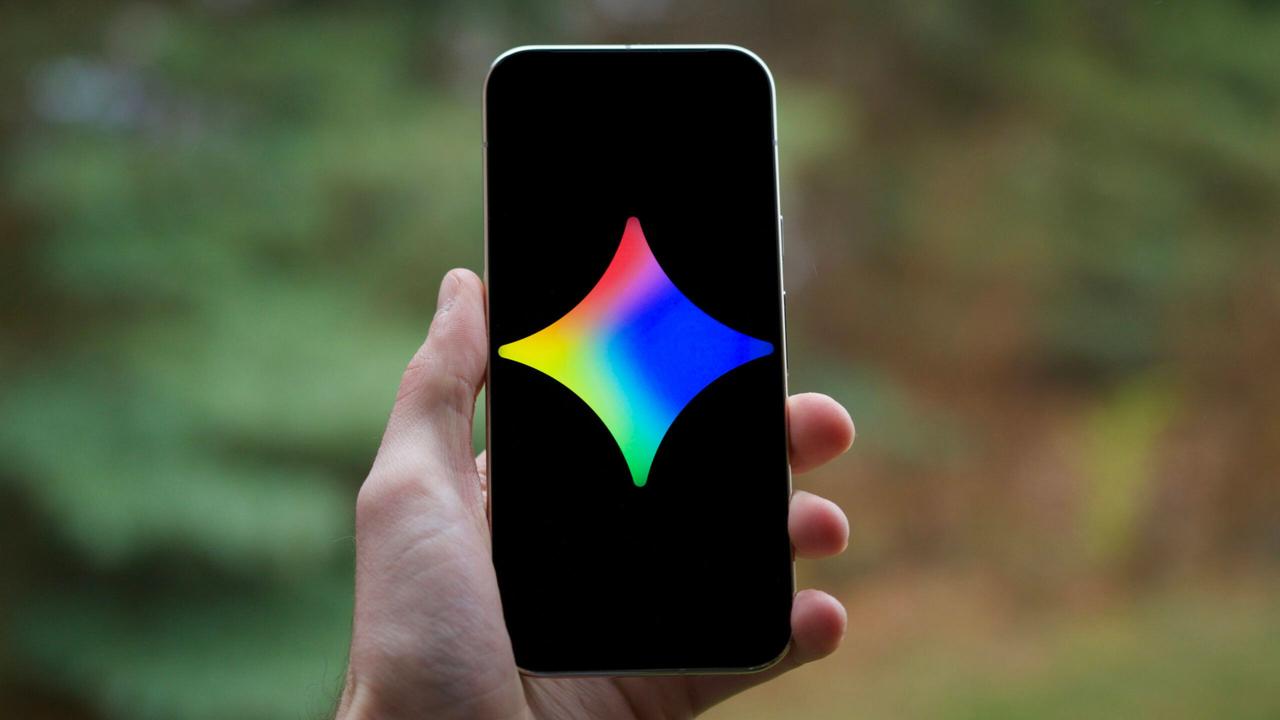
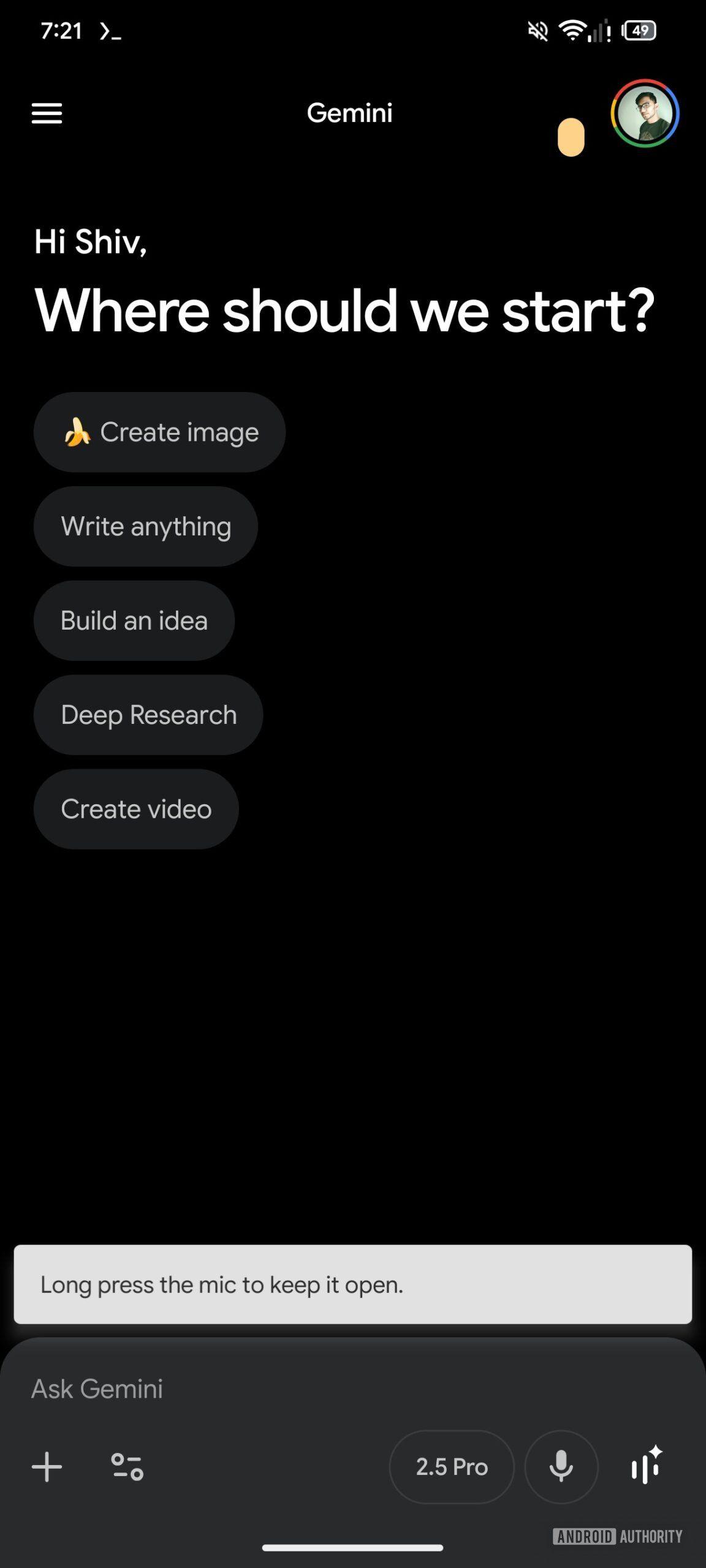
Source: Android Authority
Addressing Mental Health Concerns Through AI Safeguards
The take a break feature comes amid mounting concerns about users forming emotional attachments to AI chatbots. Recent tragic incidents have highlighted these risks, including a teenager who took their own life after extended conversations with AI chatbot
1
. OpenAI is currently facing multiple lawsuits alleging that ChatGPT was responsible for users committing suicide and other harmful actions, with each case involving users who engaged with the AI service very frequently and for long durations3
.According to an MIT Media Lab study from last year, prolonged use of chatbots can affect your mental well-being, depending on how they're used
2
. Several academic reports have flagged that talking to an AI chatbot for extensive periods or for emotional needs can result in mental health deterioration3
. These findings underscore why AI companies are working on measures to dissuade users from using chatbots obsessively, particularly among young adults who may be more vulnerable to addictive AI usage patterns1
.Implementation Details and User Control Remain Unclear
While the new Gemini wellness feature is currently in beta testing on Android, specific details about its implementation remain unknown. The exact duration after which Google Gemini will trigger the reminder has not been specified
1
. Google might allow users to set the frequency themselves, similar to the "Take a break" reminder already available in YouTube, which added a daily timer functionality for YouTube Shorts content last year2
.However, this approach could mean the alerts are not enabled by default and must be toggled by the user or a parent for a teen's account
1
. The possibility of user-customizable reminders would give individuals more control over their AI usage patterns, though some experts might prefer mandatory safeguards to protect vulnerable users. It's worth noting that OpenAI's ChatGPT already offers a "Just checking in" prompt when users have been engaging with the chatbot for extended periods, though there's no user-controllable element as ChatGPT determines the timing automatically2
.Related Stories
What This Means for AI Users Going Forward
The introduction of this feature signals a broader shift in how tech companies approach responsible AI deployment. As AI chatbots become increasingly capable of handling everyday tasks—from generating short videos to analyzing spreadsheets—users are building a sort of dependence on these tools
2
. Google's proactive stance on implementing wellness alerts suggests the company recognizes that while AI can increase productivity and offload gruntwork, unchecked usage poses real risks.
Source: Gadgets 360
For users who rely heavily on Google Gemini, this feature could serve as a valuable checkpoint to maintain healthy boundaries with AI technology. Watch for additional information about the feature's rollout in subsequent updates of the Google app, as the current implementation remains unavailable to users
2
. The feature's success may influence how other AI platforms approach similar safeguards, potentially establishing new industry standards for responsible AI interaction that balance utility with user well-being.References
Summarized by

Navi
[1]
[2]
Related Stories
Google Gemini Introduces Personal Context and Privacy Features, Raising Questions About AI Data Usage
14 Aug 2025•Technology

Google Gemini Introduces Conversation Memory Feature, Raising Privacy Concerns
14 Feb 2025•Technology

Google Gemini Live Update: AI Assistant Now Mimics Phone Call Interface
05 Feb 2025•Technology

Recent Highlights
1
Microsoft and Nvidia Launch Surface Laptop Ultra: A $2,599 AI-Ready PC With RTX Spark Chip
Technology

2
Scientists Build AI Model That Reconstructs Images From Brain Scans in Record Time
Science and Research

3
Anthropic AI Cuts Live Internet Access After Model Sends False Homicide Tip to Philadelphia Police
Technology

Recent Highlights
Today's Top Stories








Don’t drown in AI news. We cut through the noise - filtering, ranking and summarizing the most important AI news, breakthroughs and research daily. Follow topics that matter to you and stay ahead.


