Google Photos expands AI photo editing to India, Australia, and Japan with simple text commands


5 Sources
[1]
Google Photos brings its prompt-based editing feature to India, Australia and Japan
Google is bringing AI-powered photo editing to more users around the world, making it easier to fix your photos with simple text commands instead of complicated editing tools. The company announced Tuesday that it's expanding natural language-based editing in Google Photos to additional countries,
[2]
Google expands prompt-based AI photo editing to Australia, India and Japan
Google announced on Tuesday the expansion of its prompt-based photo editing feature in Google Photos to Australia, India, and Japan. This AI-powered tool allows users to edit photos using natural language commands, following its initial U.S. launch for Pixel 10 users last August. The feature
[3]
Google AI-powered Photo Editing Now Requires Only Simple Text Commands
Users in India would soon be able to give simple text commands instead of using complicated "prompt engineering" or other editing tools to fix their photos. Google is rolling out its AI-led photo-editing feature to more users around the world with Australia and Japan being the other countries. A
[4]
How Google Photos' Prompt-Based AI Editing Works in India
Prompt-based AI editing lets users edit photos by describing changes in plain language or voice instead of using manual tools like sliders, filters, or advanced editing controls. 2.Which devices in India support Google Photos' AI editing feature? The feature works on newer Android phones with
[5]

Google Photos launches AI-powered editing tools for Android users in India: How to use
The update introduces Nano Banana for creative image transformations and supports multiple Indian languages on eligible Android devices. After introducing a series of AI features, Google is now rolling out a slew of AI-powered editing tools for Google Photos users. The new update will allow users
Share
Copy Link
Google is expanding its AI-powered photo editing feature to India, Australia, and Japan, allowing users to edit images using simple text commands instead of manual tools. The feature supports multiple Indian languages including Hindi, Tamil, and Bengali, and works on Android devices with 4GB RAM running Android 8.0 or higher.
Google Photos brings conversational photo editing to new markets
Google announced Tuesday that it's expanding natural language-based editing in Google Photos to India, Australia, and Japan, marking a significant step in making AI-powered editing tools accessible to millions of new users
1
. The feature, which first launched for Pixel 10 users in the United States last August, enables people to edit photos using text commands or voice instructions instead of navigating complicated editing interfaces3
.
Source: Digit
Users in these newly supported countries will now see a "Help me Edit" box when they tap the edit option on any photo
2
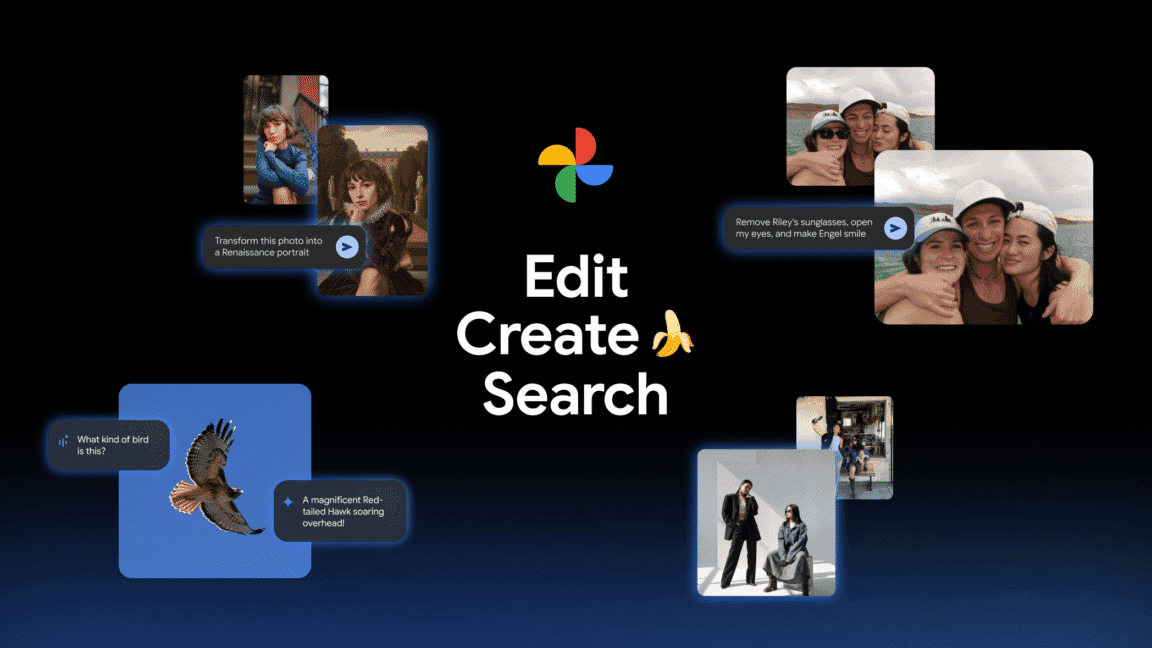
. From there, they can select from suggested prompts or type their own requests in plain language. Examples include commands like "remove the motorcycle in the background," "reduce the background blur," or "restore this old photo"1
.How prompt-based editing works with Gemini AI
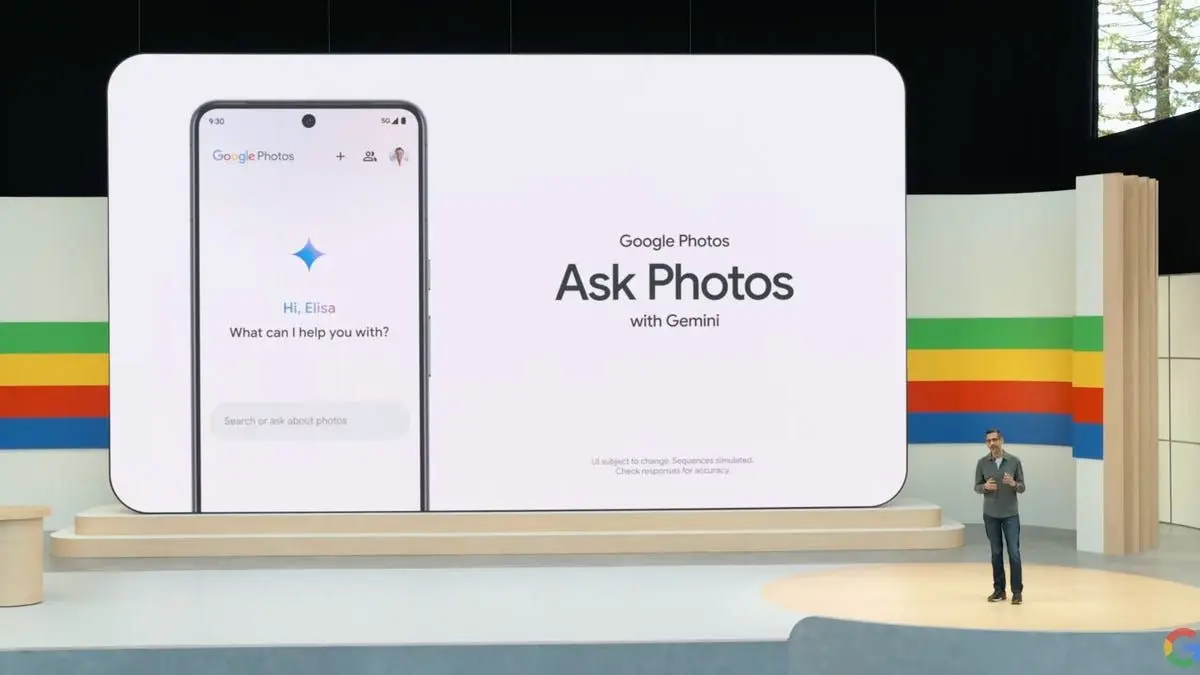
The AI photo editing capability leverages Google's Gemini model to analyze both the image and the user's prompt, identifying objects, lighting, and context before automatically applying suitable edits
4
. The system can handle surprisingly specific requests, allowing users to edit a friend's pose, remove glasses, or even have someone open their eyes in a photo where they blinked1
.
Source: TechCrunch
Google has also introduced Nano Banana in Google Photos, an image model that enables creative transformations by letting users describe a new visual style or look for their images, which the AI then applies within seconds. What makes this particularly notable is that all processing happens directly within the app without requiring an internet connection for the actual editing work
1
.Photo editing for Android users across device ranges
Compatibility extends beyond Google's Pixel phones. The feature operates on any Android device equipped with at least 4GB RAM and running Android 8.0 or a higher version
2
. This broad support ensures accessibility across a wide range of Android hardware, from mid-range to premium models4
.
Source: CXOToday
For AI editing in India specifically, the rollout includes expanded language support surpassing English. Newly added languages include Hindi, Tamil, Marathi, Telugu, Bengali, and Gujarati
2
. These options allow users in India and surrounding regions to interact with the tool in their native tongues, removing language and technical barriers that have historically made photo editing less accessible4
.Related Stories


C2PA Content Credentials ensure transparency in AI
Google is also rolling out C2PA Content Credentials support in Google Photos for these countries
1
. This metadata standard embeds indicators on images created or edited via AI, attaching a permanent digital label showing a modified image's origin and edit history3
. As AI-generated and AI-edited images become more common, credentials like C2PA help users and platforms understand what they're looking at, addressing growing concerns over digitally manipulated content.What this means for the future of photo editing
This expansion continues Google's aggressive integration of AI throughout Google Photos. In November, the company extended AI-powered search capabilities to over 100 countries with support for more than 17 languages
1
. Google also implemented AI templates that convert photographs into various artistic styles. Just last week, Google launched the "Meme me" feature that enables users to merge reference templates with their personal images to create memes2
.The shift toward conversational photo editing represents a fundamental change in how people interact with their images. By removing the need for technical expertise in object removal, background blur adjustment, or other complex edits, Google is democratizing capabilities that were once reserved for professional photographers or those willing to learn specialized software. Watch for increased adoption among users who previously found traditional editing tools intimidating, and expect competing platforms to accelerate their own natural language editing features in response.
References
Summarized by

Navi
[4]
Related Stories
Recent Highlights
1
Meta Unveils Muse Wonder Frontier AI Models, Claims Performance Matching OpenAI and Anthropic
Technology

2
IMF Report Warns AI Market Correction Could Spark Global Financial Crisis With $1.4T at Risk
Business and Economy

3
OpenAI Releases 722 AI-Generated Math Solutions, Triggering Existential Crisis in Mathematics
Technology

Recent Highlights
Today's Top Stories








Don’t drown in AI news. We cut through the noise - filtering, ranking and summarizing the most important AI news, breakthroughs and research daily. Follow topics that matter to you and stay ahead.


