Google Pixel 10 Series: Incremental Upgrades and AI Innovations


5 Sources
[1]
I Tested the Pixel 10 Pro and It's a Master Class on What an Android Phone Should Be
I've spent a lot of time with the Pixel 10 Pro XL, taking photos in Paris and testing it at home in Edinburgh. In short, there's a lot I really like about it. From the slick design and vibrant display to the generally solid cameras, the Pixel 10 Pro and 10 Pro XL tick a lot of the boxes I'd expect
[2]
Google Pixel 10 review: perfectly fine
Asking the Pixel 10 to be more than what it is feels greedy. Google's non-Pro Pixel is priced fairly at $799, which is significantly less than the $999 Pixel 10 Pro. It comes with some handy upgrades, like Qi2 charging with built-in magnets. Its AI features finally show promise. It includes a
[3]
Google Pixel 10 Pro XL review: I love it, but here's why I can't justify it
The Pixel 10 Pro XL is the biggest non-folding Pixel 10 phone, but does that automatically make it the model to buy? It's really going to come down to how much you want the bigger screen, because outside of this, the 10 Pro XL has a hard time standing out from the other Pixel 10 phones. This isn't
[4]
Pixel 10 Pro Review: The AI Is Underwhelming, but 'Pixelsnap' Is a Delightful MagSafe Clone
A base pixel 10 (left) vs. a Pixel 10 Pro (center) vs. a Pixel 10 Pro XL (right) Credit: Michelle Ehrhardt On the surface, the Pixel 10 Pro doesn't look much different from the Pixel 9 Pro, and that's a good thing. The Pixel 9 Pro was the first Google phone to come in multiple size options, and
[5]

Google Pixel 10 Pro XL- The Ultimate Camera Phone?
The Google Pixel 10 Pro XL builds upon its predecessor with a focus on AI-driven enhancements, improved camera capabilities, and subtle hardware refinements. While these updates aim to elevate the user experience, the device's incremental nature may leave some questioning whether the changes are
Share
Copy Link
Google's latest Pixel 10 series offers subtle improvements and new AI features, but may not justify an upgrade for recent Pixel users. The phones introduce MagSafe-like 'Pixelsnap' and enhanced cameras, while maintaining familiar design elements.
Google Unveils Pixel 10 Series with Incremental Upgrades
Google has launched its latest Pixel 10 series, comprising the Pixel 10, Pixel 10 Pro, and Pixel 10 Pro XL. The new lineup brings subtle improvements and AI-driven features, maintaining the familiar design language of its predecessors while introducing some noteworthy enhancements
1
2
3
.Design and Display
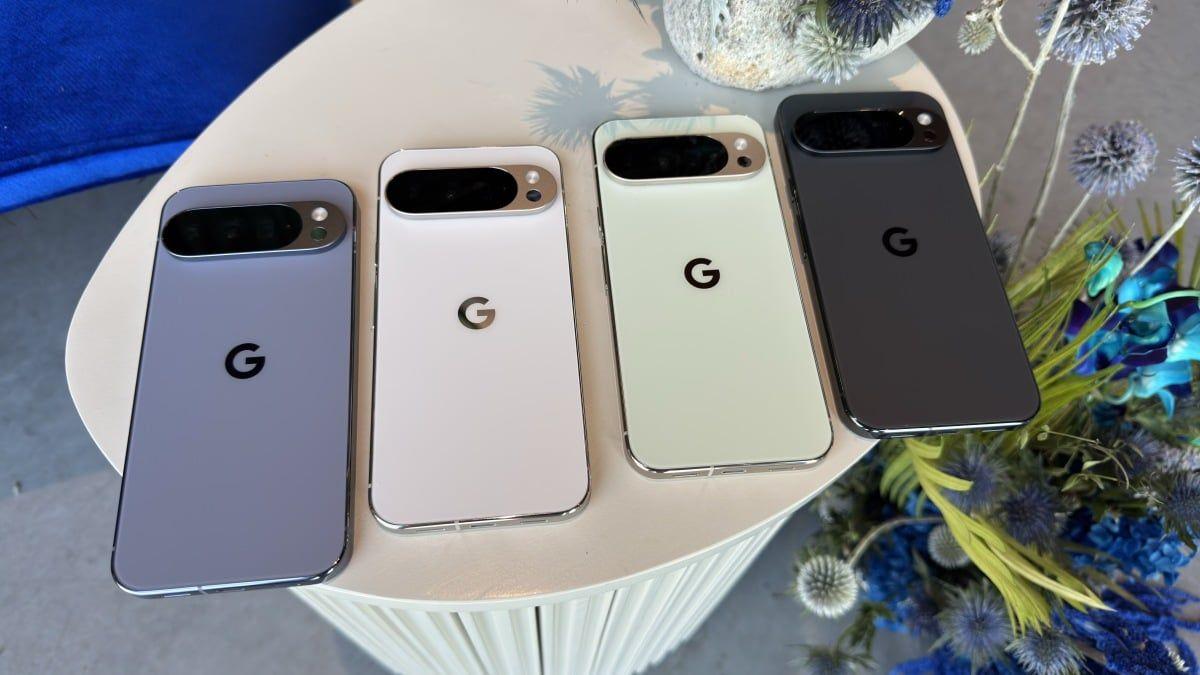
The Pixel 10 series retains much of the design elements from the Pixel 9, including the distinctive camera bar. However, new color options like Moonstone and Jade have been introduced to refresh the aesthetic
4
. The Pro models feature a 6.1-inch display for the standard version and a 6.7-inch screen for the XL variant1
3
.
Source: Lifehacker
A significant improvement comes in display brightness, with the Pixel 10 Pro XL boasting a peak brightness of 3,300 nits, up from 3,000 nits in the previous generation
3
. This enhancement notably improves outdoor visibility, addressing a common user concern5
.Camera Capabilities
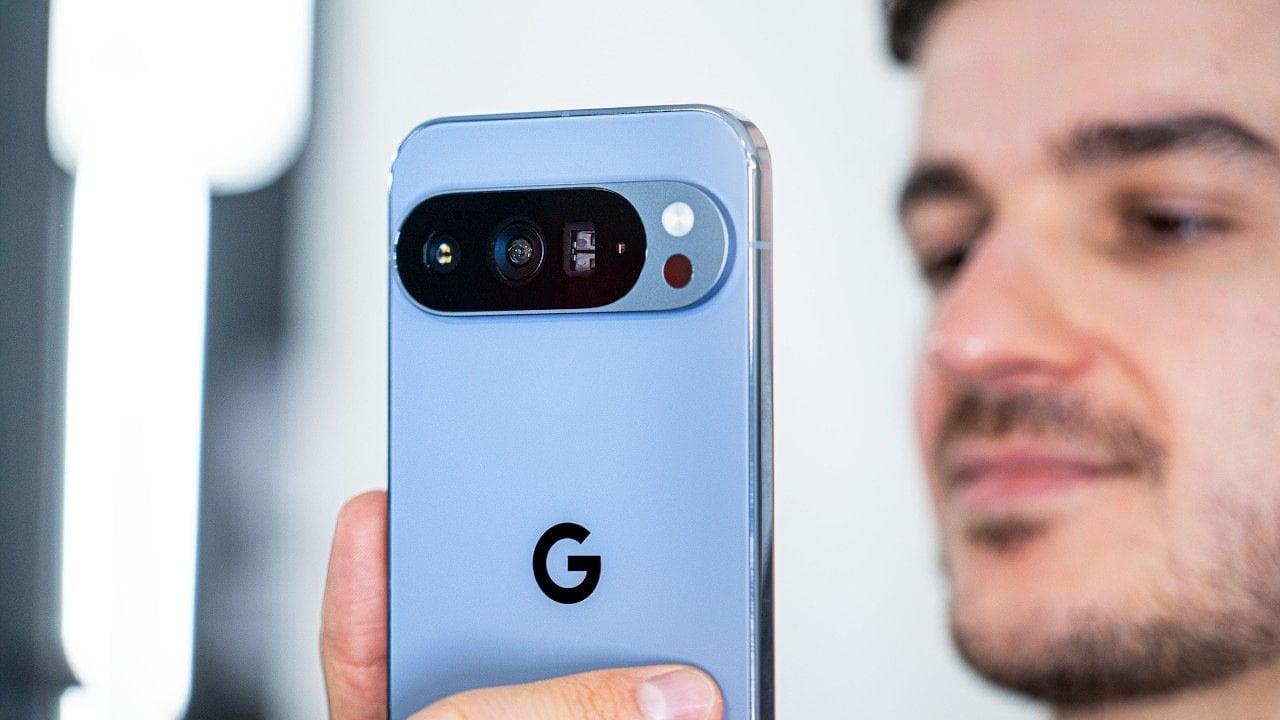
The camera system remains a focal point of the Pixel series. The Pixel 10 Pro and Pro XL feature a triple camera setup with a 50-megapixel main camera, a 48-megapixel ultrawide, and a 48-megapixel telephoto with 5x optical zoom
1
. Google has introduced AI-driven tools like Camera Coach and Help Me Edit to enhance the photography experience5
.
Source: Geeky Gadgets
One controversial feature is the AI-assisted "100x zoom" on Pro models. While it aims to improve long-range photography, some reviewers found the results disappointing, with AI-generated details often appearing unrealistic or inaccurate
4
.AI and Software Features
The Pixel 10 series runs on the new Tensor G5 processor, designed by Google and manufactured by TSMC using a 3nm process
3
. This chip powers various AI features, including Magic Q for multitasking and enhanced photo editing capabilities4
5
.Android 16, the latest operating system, introduces a refreshed UI with vibrant colors and smoother animations. However, some new features like Magic Q suffer from limited third-party app integration
5
.Pixelsnap: Google's Answer to MagSafe
A standout feature of the Pixel 10 series is 'Pixelsnap', Google's version of Apple's MagSafe technology. This magnetic system allows for easy attachment of accessories and supports Qi2 wireless charging. Notably, Pixelsnap is compatible with existing MagSafe accessories, broadening its appeal
4
.
Source: The Verge
Related Stories


Performance and Battery
The Tensor G5 chip provides improved performance for everyday tasks and multitasking. However, it still lags behind competitors like Apple's A18 Pro in benchmark tests
5
. Battery life sees a modest improvement, with the Pixel 10 Pro XL featuring a 5,200mAh battery and support for 45W wired charging3
.Pricing and Availability
The Pixel 10 starts at $799, while the Pixel 10 Pro is priced at $999. The Pixel 10 Pro XL begins at $1,199 for the 256GB model, positioning it competitively against flagship offerings from Apple and Samsung
2
3
.Conclusion
While the Pixel 10 series introduces some welcome improvements, particularly in display brightness and the addition of Pixelsnap, the incremental nature of the upgrades may not justify an immediate switch for recent Pixel users. The focus on AI features shows promise but requires further refinement to deliver substantial value
5
. For those seeking cutting-edge AI capabilities and camera performance in the Android ecosystem, the Pixel 10 series presents a compelling option, albeit with room for improvement in certain areas.References
Summarized by

Navi
[2]
[4]
[5]
Related Stories
Recent Highlights



Recent Highlights
Today's Top Stories









Don’t drown in AI news. We cut through the noise - filtering, ranking and summarizing the most important AI news, breakthroughs and research daily. Follow topics that matter to you and stay ahead.


