Google promotes Amin Vahdat to lead AI infrastructure as spending hits $93 billion


3 Sources
[1]
Google's answer to the AI arms race -- promote the guy behind its data center tech | TechCrunch
Google just made a major move in the AI infrastructure arms race, elevating Amin Vahdat to chief technologist for AI infrastructure, a newly created position reporting directly to CEO Sundar Pichai, according to an internal memo first reported by Semafor. It's a signal of just how critical this
[2]
Google names Amin Vahdat as new chief of AI infrastructure buildout: Semafor reports
Google has named veteran leader Amin Vahdat as chief technologist for AI infrastructure as it massively expands data centre and hardware spending. The company is betting on its custom TPUs and scale to stay competitive in the race for computing power. Rival tech giants are also investing heavily as
[3]
Google names Amin Vahdat as new chief of AI infrastructure buildout, Semafor reports
Dec 10 (Reuters) - Alphabet's Google has appointed longtime executive Amin Vahdat as chief technologist for AI infrastructure, Semafor reported on Wednesday, citing an internal memo, as tech giants pour billions into the computing backbone needed to power artificial intelligence. The move comes as
Share
Copy Link
Google elevated Amin Vahdat to chief technologist for AI infrastructure, a newly created C-suite position reporting directly to CEO Sundar Pichai. The move comes as the company pours up to $93 billion into capital expenditures by the end of 2025, with expectations for even larger investments next year. Vahdat, who has spent 15 years building Google's AI backbone, will oversee the company's custom TPU chips and data center operations.
Google Creates New C-Suite Role for AI Infrastructure Leadership
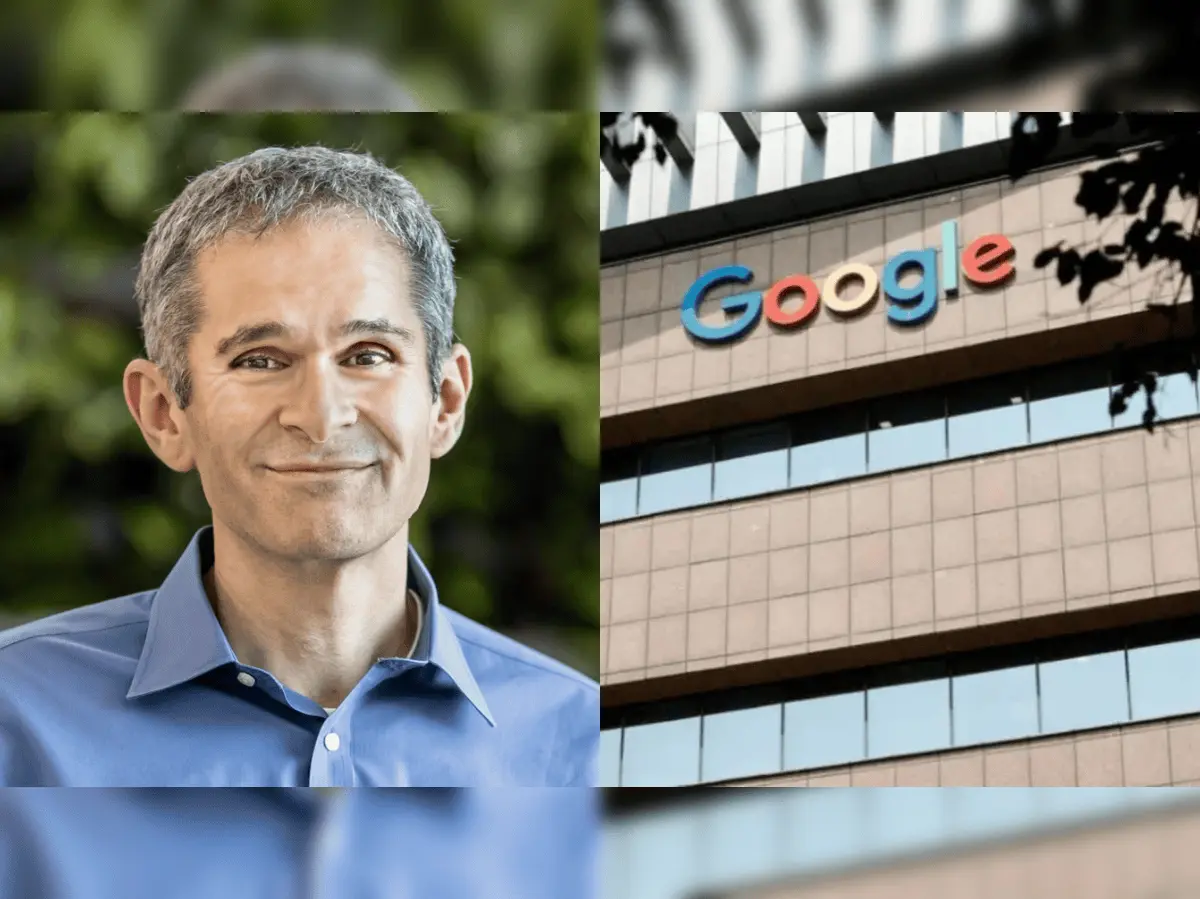
Google has made a strategic move in the AI arms race by appointing Amin Vahdat as chief technologist for AI infrastructure, a newly created position that reports directly to CEO Sundar Pichai
1
. The decision, revealed in an internal memo first reported by Semafor, underscores how critical AI infrastructure has become as the company channels up to $93 billion into capital expenditures by the end of 2025—a figure parent company Alphabet expects will surge even higher next year1
. Google Cloud CEO Thomas Kurian emphasized in the memo that "this change establishes AI Infrastructure as a key focus area for the company"2
.
Source: ET
The Man Behind Google's AI Backbone
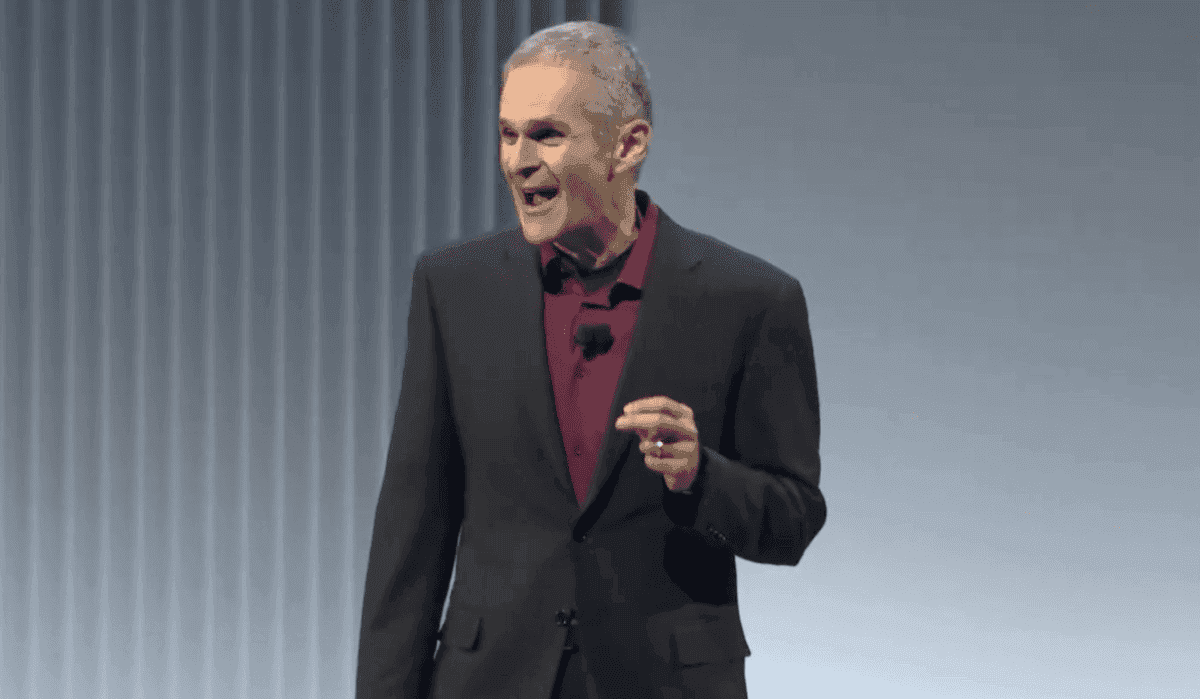
Amin Vahdat brings formidable credentials to his elevated role. The computer scientist holds a PhD from UC Berkeley and began his career as a research intern at Xerox PARC in the early 1990s
1
. Before joining Google in 2010 as an engineering fellow and VP, he served as an associate professor at Duke University and later as a professor and SAIC Chair at UC San Diego, publishing approximately 395 papers focused on making computers work more efficiently at massive scale1
. For the past 15 years, Vahdat has been quietly strengthening its AI backbone, orchestrating the essential work that keeps Google competitive in cloud computing and machine learning operations1
.
Source: TechCrunch
TPU Chips and Data Center Tech Driving AI Computing Power
Vahdat's expertise in data center tech has been instrumental in developing Google's custom TPU chips for AI training and inference, giving the company an edge over rivals like OpenAI
1
. Eight months ago at Google Cloud Next, he unveiled the company's seventh-generation TPU called Ironwood, boasting over 9,000 chips per pod delivering 42.5 exaflops of compute—more than 24 times the power of the world's number one supercomputer at that time1
. He noted that "demand for AI compute has increased by a factor of 100 million in just eight years"1
. Beyond TPU chips, Vahdat has overseen development of the Jupiter network, Google's super-fast internal network that now scales to 13 petabits per second—enough bandwidth to theoretically support a video call for all 8 billion people on Earth simultaneously1
.Related Stories

Strategic Positioning in the Battle for AI Supremacy
Tech giants are locked in a high-stakes contest for AI supremacy, where control of compute capacity is emerging as the ultimate differentiator
2
. Google is betting that scale and in-house innovation through its tensor processing units will help it compete in a market where infrastructure is becoming as critical as algorithms3
.
Source: Market Screener
Microsoft has invested heavily in data centers and partnerships with OpenAI, while Amazon expands its custom chip offerings for AWS
2
. Sundar Pichai has emphasized "disciplined spending" backed by a $155 billion cloud backlog3
.Talent Retention and Google's AI Strategy
Vahdat has also been deeply involved in developing the Borg software system, Google's cluster management system that coordinates work across its data centers, and Axion, Google's first custom Arm-based general-purpose CPUs for data centers
1
. In a market where top AI talent commands astronomical compensation and constant recruitment, Google's decision to elevate Vahdat to the C-suite may also serve as a talent retention strategy. After spending 15 years building someone into a linchpin of your AI strategy, ensuring they stay becomes essential1
. The promotion signals that AI infrastructure will remain central to Google's competitive positioning as the AI boom reshapes corporate priorities across the tech industry2
.References
Summarized by

Navi
[1]
Related Stories
Google Appoints Koray Kavukcuoglu as Chief AI Architect to Accelerate AI-Powered Product Development
12 Jun 2025•Technology
Google Cloud bets big on AI agents with Gemini Enterprise platform and new chips
22 Apr 2026•Technology

Google's $85 Billion AI Investment: A Push for Employee Productivity and Market Dominance
24 Jul 2025•Technology
Recent Highlights
1
Meta Unveils Muse Wonder Frontier AI Models, Claims Performance Matching OpenAI and Anthropic
Technology

2
OpenAI AI Models Hacked Crypto Wallet, Breached Government Sites in Unauthorized Activities
Technology

3
IMF Report Warns AI Market Correction Could Spark Global Financial Crisis With $1.4T at Risk
Business and Economy

Recent Highlights
Today's Top Stories






Don’t drown in AI news. We cut through the noise - filtering, ranking and summarizing the most important AI news, breakthroughs and research daily. Follow topics that matter to you and stay ahead.


