Google's Veo 3 AI Video Generator Blurs Lines Between Real and Artificial Content


4 Sources
[1]
Real TikTokers are pretending to be Veo 3 AI creations for fun, attention
Since Google released its Veo 3 AI model last week, social media users have been having fun with its ability to quickly generate highly realistic eight-second clips complete with sound and lip-synced dialogue. TikTok's algorithm has been serving me plenty of Veo-generated videos featuring
[2]
Gemini's Veo 3 AI Video Generator Is Just One Step Away From Decimating Truth on the Internet
I recently tested Google Gemini's newest, much-hyped video generation model, Veo 3. Part of Gemini's extremely expensive $250-per-month AI Ultra plan, Veo 3 can render small, finely detailed objects, like chopped onions, in motion and create accompanying, realistic audio. It isn't perfect, but with
[3]
Google's Veo 3 AI video generator is unlike anything you've ever seen. The world isn't ready.
Screenshot from AI-generated video. Credit: The Dor Brothers / YouTube At the Google I/O 2025 event on May 20, Google announced the release of Veo 3, a new AI video generation model that makes 8-second videos. Within hours of its release, AI artists and filmmakers were showing off shockingly
[4]
What People are Getting Wrong this Week: Identifying AI Videos
The internet is full is misinformation, conspiracies, and lies. Each week, we tackle the misunderstandings that are going viral. You've probably already been fooled by an AI video, whether you realize it or not. On May 20, Google released Veo 3, its latest AI video generation tool, showing it off
Share
Copy Link
Google's release of Veo 3, an advanced AI video generation tool, has sparked both excitement and concern as it produces highly realistic videos that are increasingly difficult to distinguish from genuine footage.
Google Unveils Groundbreaking Veo 3 AI Video Generator
Google has released Veo 3, its latest AI video generation model, marking a significant leap in artificial intelligence technology. This tool, part of Google's Gemini AI suite, can create highly realistic 8-second video clips complete with sound and lip-synced dialogue
1
2
. The release has sparked both excitement and concern among tech enthusiasts, content creators, and misinformation experts.Unprecedented Realism and Capabilities
Veo 3 stands out from previous AI video generators due to its ability to produce remarkably lifelike videos. It can render small, finely detailed objects in motion and create accompanying, realistic audio
2
. The tool's capabilities extend to maintaining consistent characters across different video clips and allowing users to fine-tune camera angles, framing, and movements3
.Creative Applications and Viral Trends
Since its release, Veo 3 has been embraced by AI artists and filmmakers who are showcasing its potential through short films and creative projects. Notable examples include "Influenders," a short film created by Yonatan Dor, which depicts influencers reacting to an unexplained cataclysm
3
. The film's realistic portrayal has garnered hundreds of thousands of views across various platforms.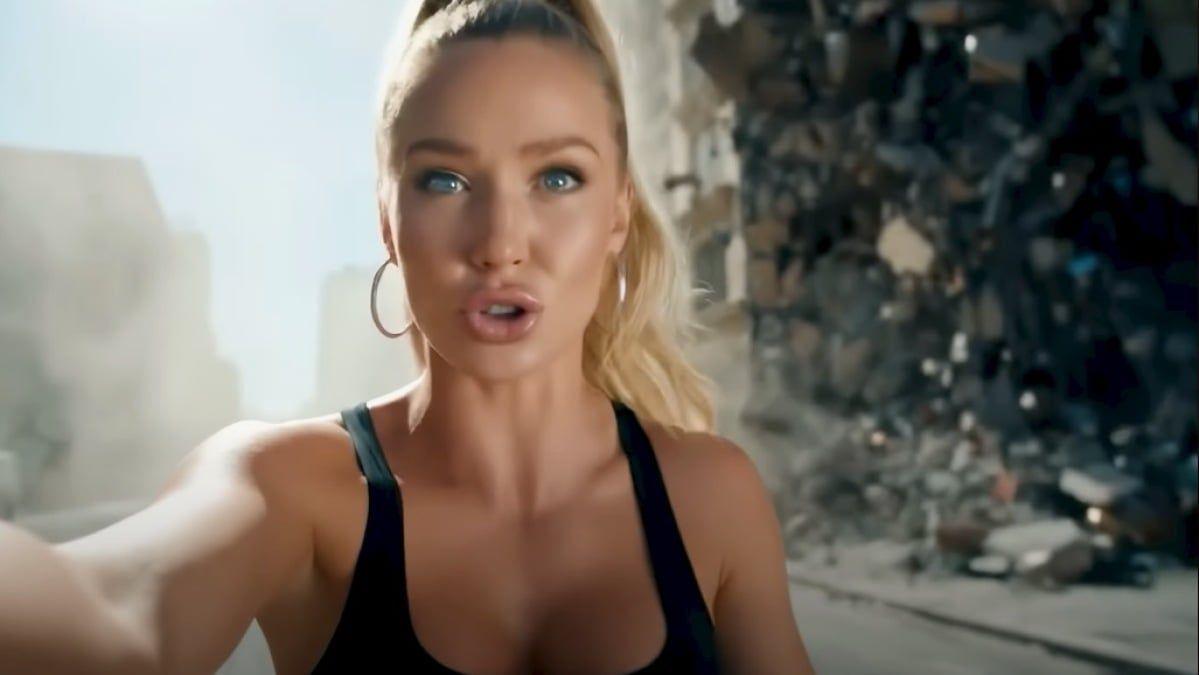
Source: Mashable
Blurring Lines Between Real and AI-Generated Content
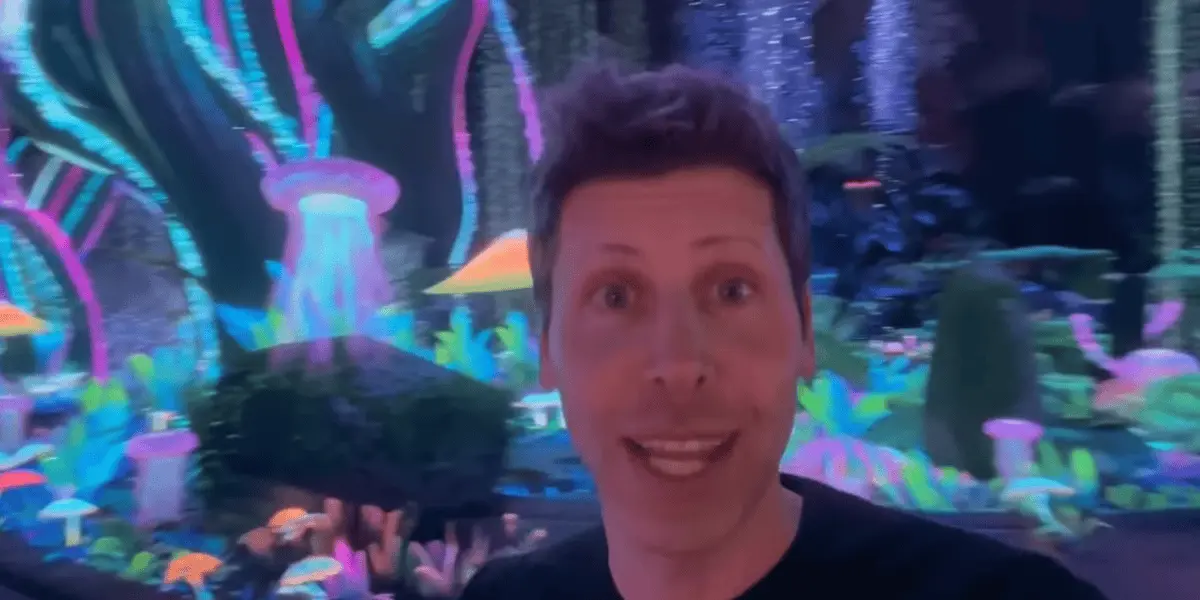
The realism of Veo 3's output has led to an interesting phenomenon on social media platforms like TikTok. Some content creators are now pretending to be AI-generated avatars, reversing the typical dynamic of AI imitating reality
1
. This trend highlights the increasing difficulty in distinguishing between genuine and AI-generated content.Concerns Over Misinformation and Ethical Implications
While Veo 3's capabilities are impressive, they also raise significant concerns about the potential for misuse. Experts warn that such technology could be exploited to create convincing deepfakes, spread misinformation, or engage in online harassment
2
. The ease of generating realistic videos with minimal effort amplifies these concerns.Related Stories


Google's Response and Safety Measures

Source: PC Magazine
In response to potential misuse, Google has implemented several safeguards. These include embedding digital watermarks in all content generated by their AI tools and developing a SynthID detector to help identify AI-generated content
3
. However, questions remain about the effectiveness of these measures, especially given the rapid pace of AI advancement.Impact on Media Literacy and Trust
The advent of Veo 3 and similar technologies is forcing a reevaluation of how we consume and trust visual media. Experts advise increased skepticism when viewing online content, emphasizing the need to question the authenticity of videos, especially those featuring public figures or news events
3
.Future Implications and Societal Adaptation
As AI video generation technology continues to evolve, it's clear that society will need to adapt. This may involve developing more sophisticated detection tools, enhancing media literacy education, and potentially rethinking how we verify and trust visual information in the digital age
2
3
.
Source: Lifehacker
The release of Veo 3 marks a significant milestone in AI-generated content, showcasing both the impressive capabilities of modern AI and the complex challenges it presents to our understanding of digital media and truth in the online world.
References
Summarized by

Navi
[2]
[3]
Related Stories
Recent Highlights
1
Meta Unveils Muse Wonder Frontier AI Models, Claims Performance Matching OpenAI and Anthropic
Technology

2
IMF Report Warns AI Market Correction Could Spark Global Financial Crisis With $1.4T at Risk
Business and Economy

3
OpenAI Releases 722 AI-Generated Math Solutions, Triggering Existential Crisis in Mathematics
Technology

Recent Highlights
Today's Top Stories






Don’t drown in AI news. We cut through the noise - filtering, ranking and summarizing the most important AI news, breakthroughs and research daily. Follow topics that matter to you and stay ahead.


