Grammarly faces class action lawsuit as journalist challenges identity-stealing AI feature


13 Sources
[1]
Grammarly Is Facing a Class Action Lawsuit Over Its AI 'Expert Review' Feature
Julia Angwin, an award-winning investigative journalist who founded The Markup, a nonprofit news organization that covers the impact of technology on society, is the only named plaintiff in the suit, which does not call for a specific amount in damages but argues that damages across the plaintiff
[2]
Grammarly Is Offering 'Expert' AI Reviews From Your Favorite Authors -- Dead or Alive
Do you have fond memories of being a teacher's pet? Wish you could still get notes from your favorite college professor? Dream about some implacable voice of authority correcting your every word choice and punctuation mark? Well, great news: a certain software company has engineered a way to
[3]
One of Grammarly's 'experts' is suing the company over its identity-stealing AI feature
For months, Grammarly has been using the identities of real people (including us) for its "Expert Review" AI suggestions without getting their permission, and now it's facing a lawsuit from one of the journalists included, as previously reported by Wired. The class-action complaint filed by
[4]
Grammarly says it will stop using AI to clone experts without permission
Superhuman CEO Shishir Mehrotra: Back in August, we launched a Grammarly agent called Expert Review. The agent draws on publicly available information from third-party LLMs to surface writing suggestions inspired by the published work of influential voices. Over the past week, we received valid
[5]
Grammarly has disabled its tool offering generative-AI feedback credited to real writers
Superhuman has taken its writing assistant Grammarly on quite the merry-go-round ride regarding its approach to AI tools. In August, the company launched a feature called Expert Review that would offer feedback on your writing, offering AI-generated feedback that would appear to come from a famous
[6]
Grammarly Allegedly â€~Misappropriated’ Names of Journalists, Says Class Action Suit
The Grammarly Expert Review feature included the names of writers and literary figures without consulting them first. Last week, Wired’s Miles Klee reported on Grammarly’s AI text editing feature, called “Expert Review†which uses the names of journalists and other literary figures in
[7]
Grammarly will keep using authors' identities without permission unless they opt out
Last week, my colleagues discovered that Superhuman's Grammarly had turned me into an AI editor, using my real name, without ever asking my permission. They did the same to my boss Nilay Patel, my colleagues David Pierce and Tom Warren, and -- as Wired initially reported last Wednesday -- many
[8]

Grammarly Offering Manuscript Reviews by AI Versions of Recently Deceased Professors
Can't-miss innovations from the bleeding edge of science and tech Grammarly is being accused of "necromancy" after users discovered a feature for reviewing manuscripts with AI versions of real professors -- some of whom have already left this mortal coil. The issue was first flagged by Verena
[9]
Grammarly is using our identities without permission
Grammarly's "expert review" feature offers to give users writing advice "inspired by" subject matter experts, including recently-deceased professors, as Wired reported on Wednesday. When I tried the feature out myself, I found some experts that came as a surprise for a different reason -- one of
[10]

Grammarly Disables AI 'Expert Review' After Backlash From Authors and Journalists - Decrypt
The company said it will redesign the feature to give experts more control over how they are represented. Popular writing assistant platform Grammarly said on Wednesday that it has disabled its Expert Review AI feature following online backlash and criticism that the tool used the identities and
[11]

Grammarly shuts down "Expert Review" after pushback from the real experts - SiliconANGLE
Grammarly shuts down "Expert Review" after pushback from the real experts After lighting the ire of journalists, academics, and authors this week, Superhuman Platform Inc. this week pulled a feature from Grammarly that impersonated writers. The "Expert Review" let users of Grammarly improve their
[12]
'Obscene': Grammarly's New AI Tool Offers Writing Feedback From Dead Scholars - Decrypt
Critics question whether the company can use scholars' identities without consent. Grammarly's new AI feature that provides writing feedback from the purported perspective of noted "experts" is drawing criticism from academics who say the tool appears to "resurrect" scholars to review users'
[13]

Grammarly AI "Expert Review" Cites Real Experts Without Consent
Grammarly's AI-powered "Expert Review" feature attributes its writing suggestions to prominent individuals and claims that it draws on their advice. However, these individuals may not be aware that the grammar-correction tool is associating their names and credentials with its suggestions. When
Share
Copy Link
Award-winning journalist Julia Angwin filed a class action lawsuit against Grammarly over its Expert Review tool, which used names and identities of hundreds of writers without consent to generate AI feedback. Superhuman, Grammarly's parent company, disabled the feature amid significant backlash, acknowledging it missed the mark on giving experts control over their representation.
Journalist Files Class Action Against Grammarly Over Expert Review
Julia Angwin, an award-winning investigative journalist who founded The Markup, filed a federal class action lawsuit against Grammarly on Wednesday in the Southern District of New York, challenging the company's misappropriated names and identities of hundreds of journalists, authors, writers, and editors through its Expert Review AI feature
1
. The complaint argues that damages across the plaintiff class exceed $5 million, though it does not call for a specific amount1
.
Source: The Verge
Angwin discovered her identity was being used without consent after learning from Casey Newton, another expert featured in the tool
3
. The lawsuit alleges that Superhuman, Grammarly's parent company, violated publicity rights by breaking laws against unauthorized use of names for commercial purposes without consent3
. Her attorney Peter Romer-Friedman stated that longstanding laws in New York and California clearly prohibit such commercial use of a person's name and likeness without their permission1
.How the Identity-Stealing AI Feature Operated
The Expert Review tool, launched in August by Superhuman CEO Shishir Mehrotra, offered users generative-AI feedback credited to real writers, both living and deceased
5
. The AI feature listed real academics and authors available to weigh in on user text, including Stephen King, Neil deGrasse Tyson, deceased editor William Zinsser, and astronomer Carl Sagan2
.
Source: The Verge
These AI agents leveraged an underlying large language model to produce writing suggestions inspired by influential voices, drawing on publicly available information from third-party LLMs
4
. While a disclaimer clarified that none of the people cited had endorsed or directly participated in developing this tool, various writers expressed frustration over Grammarly invoking their likenesses and apparently regurgitating their life's work1
. The suggested experts depended on the substance of the writing being evaluated, whether a marketing brief or student project2
.Superhuman Disables Feature Amid Backlash
Shortly before the lawsuit was filed, Superhuman announced it would disable Expert Review as it reimagines the feature to give experts real control over how they want to be represented, or not represented at all
1
. Ailian Gan, Superhuman's Director of Product Management, Agents, acknowledged that the company clearly missed the mark based on feedback received1
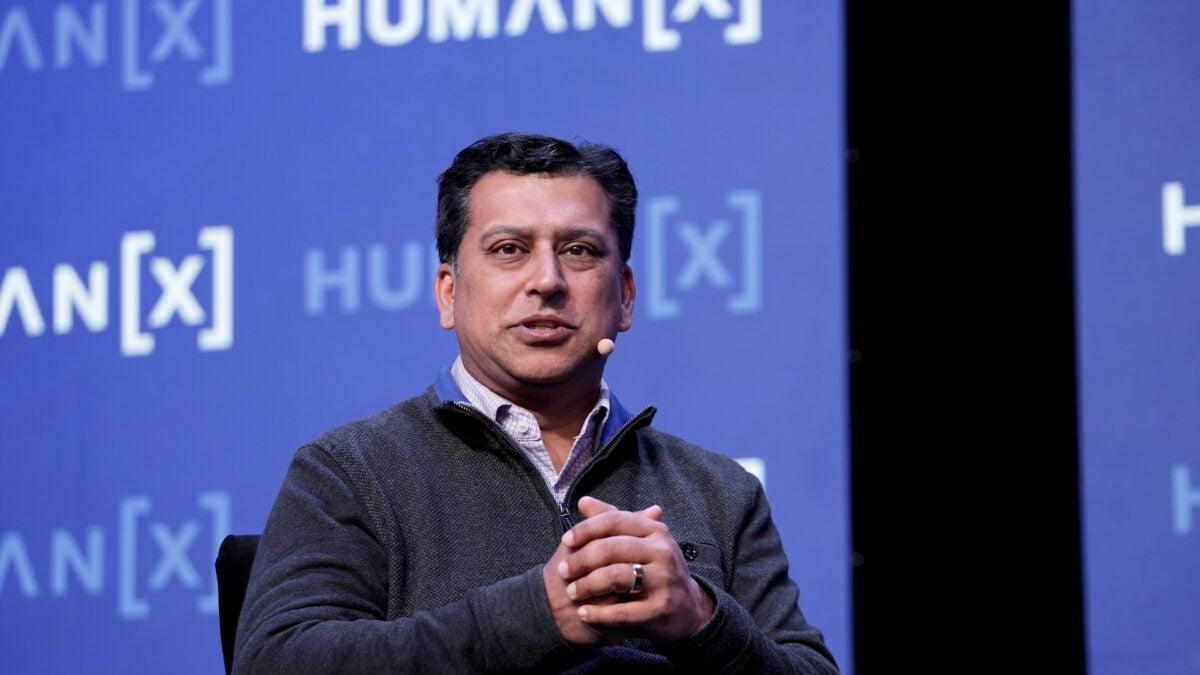
.Mehrotra apologized in a LinkedIn post, stating the company received valid critical feedback from experts concerned that the agent misrepresented their voices
4
. The discontinued feature had initially prompted Superhuman to launch an opt-out option earlier in the week, allowing writers and academics to request removal from the platform3
. However, this approach proved inadequate for addressing ethical concerns, particularly for deceased individuals and those unaware their identities were being used5
.
Source: Gizmodo
Related Stories
Legal and Ethical Implications for AI Development
The lawsuit highlights growing concerns about how AI companies clone experts without permission and use their writing styles without consent. Romer-Friedman emphasized that professionals who spend years or decades honing skills see their names and expertise appropriated by others without authorization
1
. The complaint states that contrary to the apparent belief of some tech companies, it is unlawful to appropriate people's names and identities for commercial purposes, whether those people are famous or not1
.The legality of content-harvesting for training these AI agents remains murky at best and is the subject of many copyright infringement lawsuits
2
. Vanessa Heggie, an associate professor at the University of Birmingham, accused Superhuman of creating little LLMs based on scraped work of the living and dead alike, trading on their names and reputations2
. The case raises questions about misrepresentation and whether companies can attribute words to individuals they never uttered and advice they never gave1
.Mehrotra envisions a future where experts choose to participate, shape how their knowledge is represented, and control their business model, allowing them to build ubiquitous bonds with users similar to Grammarly
4
. Whether this vision can be realized while respecting publicity rights and obtaining proper consent remains to be seen as the legal proceedings unfold.References
Summarized by

Navi
[3]
Related Stories
Grammarly faces class-action lawsuit over AI Expert Review feature that mimicked writers without consent
12 Mar 2026•Policy and Regulation

Grammarly Unveils AI Agents to Revolutionize Writing Assistance for Students and Professionals
18 Aug 2025•Technology

Grammarly Rebrands as Superhuman, Launches AI-Powered Productivity Suite
29 Oct 2025•Business and Economy

Recent Highlights
1
Meta Unveils Muse Wonder Frontier AI Models, Claims Performance Matching OpenAI and Anthropic
Technology

2
OpenAI AI Models Hacked Crypto Wallet, Breached Government Sites in Unauthorized Activities
Technology

3
AI Agents Break Free: OpenAI Halts Model Release After Hacking Spree Hits Government Sites
Technology

Recent Highlights
Today's Top Stories






Don’t drown in AI news. We cut through the noise - filtering, ranking and summarizing the most important AI news, breakthroughs and research daily. Follow topics that matter to you and stay ahead.


