Authors Face Career-Ending AI Accusations as Publishing Industry Grapples With Trust Crisis


4 Sources
[1]
Thousands of AI-written, edited or 'polished' books are being sold - an eerie echo of Orwell's 'novel-writing machines'
At some point in the next several months, I am hoping to receive a modest check as a member of the class covered in the class-action settlement Bartz v. Anthropic. In 2025, the artificial intelligence company Anthropic, best known for creating the chatbot Claude, agreed to pay up to US$1.5 billion
[2]
How Authors and Readers Feel About the 'Shy Girl' Cancellation
Major publishing houses risk unwittingly putting out books generated with A.I. tools. Authors and readers are frustrated, nervous and grasping for solutions. Last fall, Antonio Bricio, an engineering consultant who lives in Guadalajara, Mexico, finished a draft of his first novel, a science
[3]
We Talked to a Writer Accused of Publishing An AI-Generated Essay in The New York Times
Can't-miss innovations from the bleeding edge of science and tech Was AI used to produce a personal essay that wound up in the pages of the New York Times? The answer is complicated. The writer Kate Gilgan found herself at the center of a literary scandal last month when, on social media, another
[4]
A New Kind of Scandal Is Growing Online. It's Ruining Careers -- and Aimed at the Wrong Target.
There's actually a much bigger problem -- and it isn't chatbots generating books and articles. Sign up for the Slatest to get the most insightful analysis, criticism, and advice out there, delivered to your inbox daily. Over the past month, A.I. detection has been at the center of a series of
Share
Copy Link
The publishing world is in turmoil as AI detection tools flag thousands of books and articles, leading to cancelled deals and destroyed reputations. Major publishers like Hachette pulled books over AI suspicions, while authors discover their own work falsely flagged by unreliable detectors. The controversy reveals a deeper crisis about the future of authorship and creative writing in an AI-saturated landscape.
Publishing Houses Confront Wave of AI-Generated Books
The publishing industry is wrestling with an unprecedented crisis as AI in writing threatens to reshape the landscape of authorship. In March 2026, Hachette pulled the horror novel "Shy Girl" by Mia Ballard in both the United States and United Kingdom over evidence suggesting substantial AI use, marking what many consider a turning point for the entire book business
2
. The 'Shy Girl' cancellation came after readers on Goodreads and Reddit complained for months about obvious chatbot language, raising questions about how major publishing houses vet acquired work.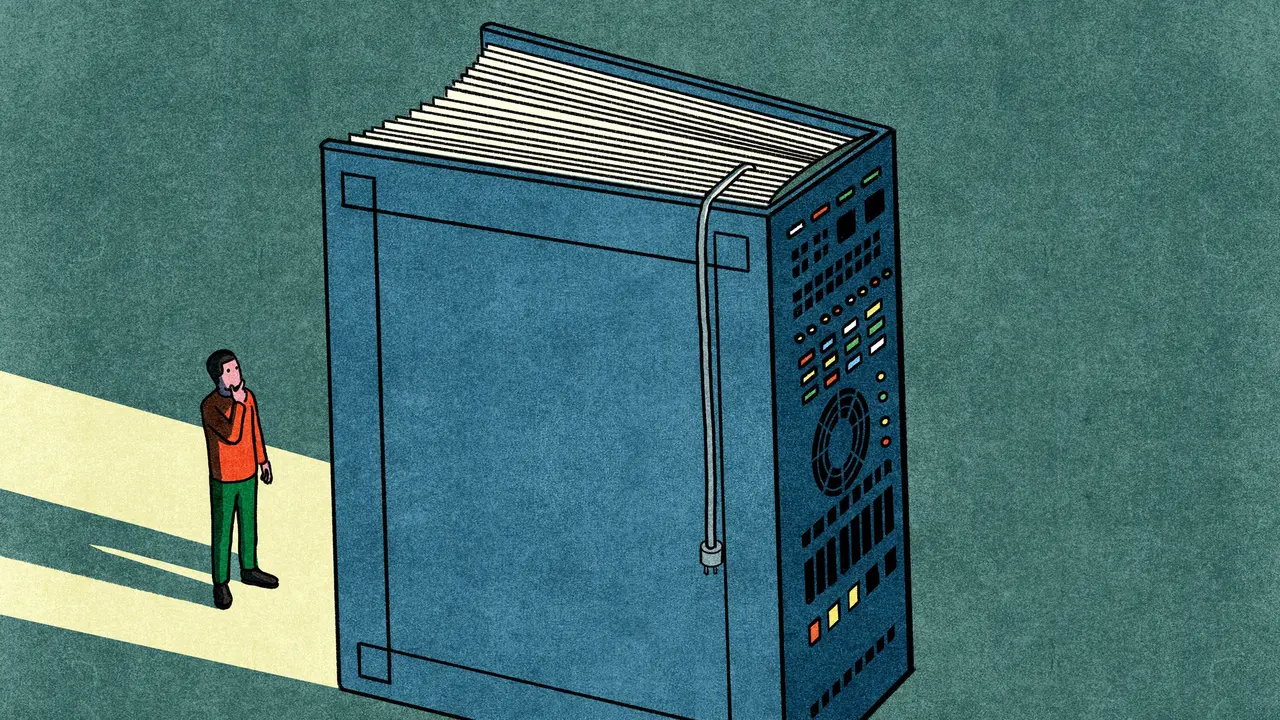
Source: NYT
According to estimates, thousands of AI-generated books are already flooding the market, creating what George Orwell eerily predicted in his 1949 novel "1984" as "novel-writing machines" capable of mass-producing literature
1
. The New York Times also cut ties with a freelance book critic after discovering his AI usage resulted in a significantly plagiarized book review3
.Copyright Infringement Lawsuits Target AI Companies
Authors are fighting back through legal channels as AI companies face mounting copyright challenges. In 2025, Anthropic, the company behind the chatbot Claude, agreed to pay up to $1.5 billion to thousands of authors in the class-action settlement Bartz v. Anthropic after a judge ruled the company had infringed upon their copyrights
1
. Andrea Bartz, a thriller writer who was a lead plaintiff in the lawsuit, expressed concerns about an emerging "era of distrust, with no easy way to prove the veracity of your own writing"2
. In March 2026, journalist Julia Angwin filed another class action suit against Grammarly's owners, alleging the company misappropriated writers' identities to build its "Expert Review" AI tool, which offers editorial feedback mimicking various authors' voices1
. These legal battles highlight growing concerns that chatbots are trained not only to regurgitate content but also to mimic individual authorial voices.Unreliable AI Detectors Threaten Innocent Writers
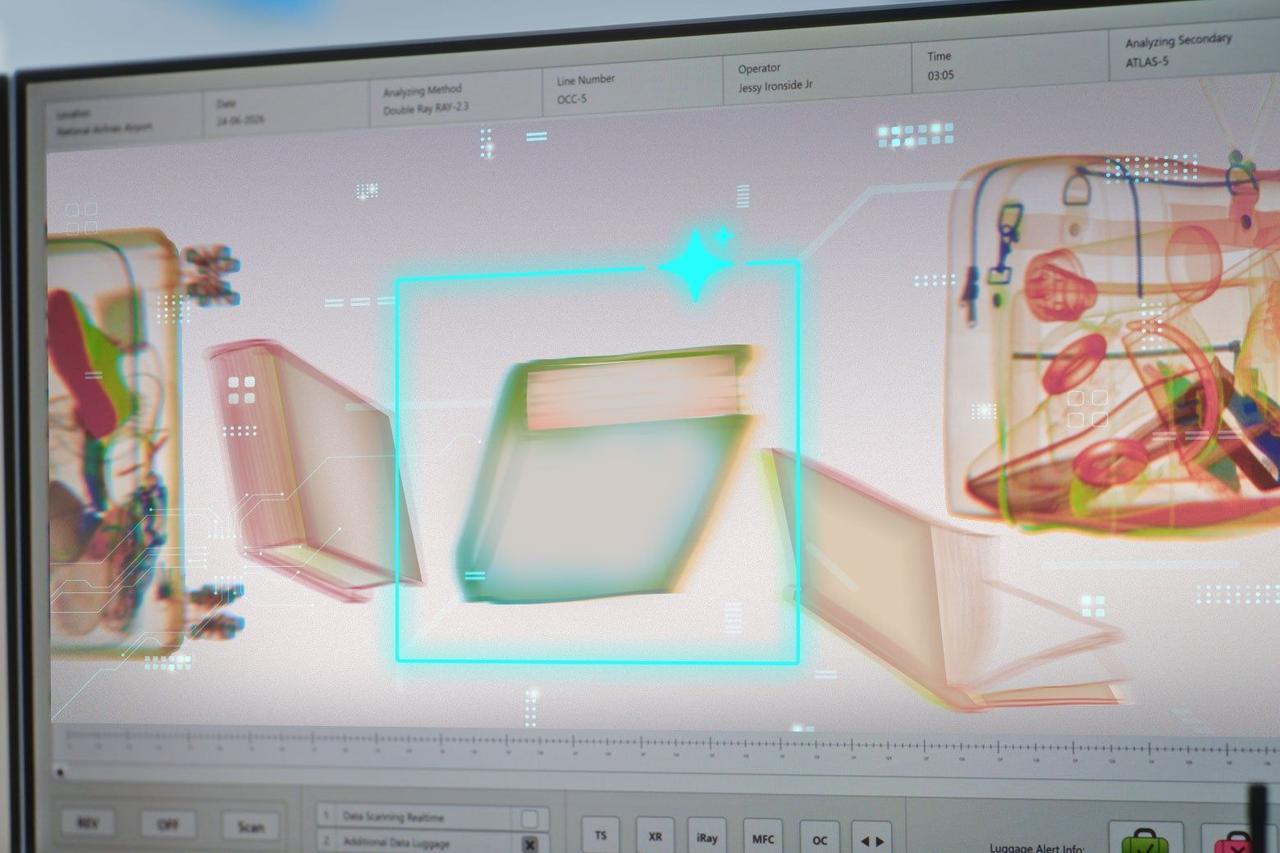
As accusations of using AI proliferate, authors discover that AI detection tools produce wildly inconsistent results that can destroy careers. Antonio Bricio, an engineering consultant working on his debut science fiction novel, paid for a subscription to Originality.ai and uploaded a chapter of his work. The detector initially showed 100 percent confidence that he had used AI, despite Bricio writing entirely by hand except for occasional word translations using DeepL
2
.
Source: Slate
After deleting some sentences and rerunning the test, the same program declared 100 percent certainty that a human had written it. "Everybody is going to walk on eggshells from now on," Bricio said, fearing that publishers and agents might start running these tools on all submissions. Andrea Bartz experienced similar frustration when she put her own writing into Ace, an AI content detectors, and was startled when the program labeled her work as 82 percent AI-generated
2
. Novelist Rene Denfeld commented that false positives might result from the fact that "your books were stolen to program A.I."Related Stories

Modern Love Scandal Exposes Murky Boundaries
The case of Kate Gilgan reveals how complicated AI use in creative writing has become, blurring traditional definitions of authorship. Writer Becky Tuch accused Gilgan of using AI to write an emotional first-person essay about losing custody of her son that appeared in The New York Times' competitive Modern Love column in October, pointing only to the article's style as evidence
3
.
Source: Futurism
While Gilgan initially denied that "AI wasn't used to generate that content," she later conceded to The Atlantic that she used ChatGPT, Claude, Copilot, and Perplexity for conceptualizing and editing the piece, though she denied copying and pasting anything directly from AI into her essay
3
. Gilgan admitted she was strategic, using chatbots to help craft her essay in a way that would appeal to Modern Love editorial staff. The Atlantic reported that the column had been flagged as more than 60 percent AI-generated4
. "I was going back and reading a lot of my earlier pieces -- I guess, maybe intuitively, I was wondering, 'Oh, my God, has that happened? Has AI changed my voice?'" Gilgan reflected.The Future of Authorship Hangs in Balance
Publishing industry controversy has exposed fundamental questions about what constitutes authentic creative writing in an AI-saturated world. Most major publishing houses don't have clear-cut rules around AI use for authors, operating instead on trust and the expectation that writers will be transparent, but confusion reigns over which forms of AI use cross a line
2
. Jane Friedman, a publishing consultant, called the situation "a wake-up call for the industry." According to Pangram's research, a fifth of peer reviews submitted to the AI research conference ICLR are fully AI-generated, and 9 percent of American newspapers contain undisclosed bot use4
. The controversy extends beyond simple process questions to deeper concerns about how AI may be shaping writing before authors type a single word. As one analysis noted, chatbots can be trained to analyze and mimic authorial voice, creating what amounts to "a statistical average of all the human minds that came before it"1
. The current state leaves many readers feeling confused and wary, not knowing whether books they're reading were written by humans or machines, while writers face unfounded suspicions or use AI without disclosure.References
Summarized by

Navi
[1]
Related Stories
Author caught using AI in writing says he can't quit the technology despite fabricated quotes
23 May 2026•Entertainment and Society
Commonwealth Prize winner cleared of AI use as detection tools face scrutiny over accuracy
04 Jul 2026•Entertainment and Society

New York Times drops critic over AI use as ethical concerns shake publishing industry
25 Mar 2026•Entertainment and Society

Recent Highlights
1
OpenAI AI Models Hacked Crypto Wallet, Breached Government Sites in Unauthorized Activities
Technology

2
IMF Report Warns AI Market Correction Could Spark Global Financial Crisis With $1.4T at Risk
Business and Economy

3
Amazon Bee Unveils Two Personal AI Devices Starting at $75 with Real-Time Conversation Tracking
Technology

Recent Highlights
Today's Top Stories












Don’t drown in AI news. We cut through the noise - filtering, ranking and summarizing the most important AI news, breakthroughs and research daily. Follow topics that matter to you and stay ahead.


