Gut Bacteria Analysis: A Promising Approach for Early Pancreatic Cancer Detection


2 Sources
[1]
How your gut bacteria could help detect pancreatic cancer early
Whether you had breakfast this morning or not, your pancreas is working quietly behind the scenes. This vital organ produces the enzymes that help digest your food and the hormones that regulate your metabolism. But when something goes wrong with your pancreas, the consequences can be
[2]
How your gut bacteria could help detect pancreatic cancer early
Whether you had breakfast this morning or not, your pancreas is working quietly behind the scenes. This vital organ produces the enzymes that help digest your food and the hormones that regulate your metabolism. But when something goes wrong with your pancreas, the consequences can be
Share
Copy Link
Researchers are exploring the use of gut bacteria analysis from fecal samples as a potential method for early detection of pancreatic cancer, particularly pancreatic ductal adenocarcinoma (PDAC).
The Silent Killer: Pancreatic Cancer
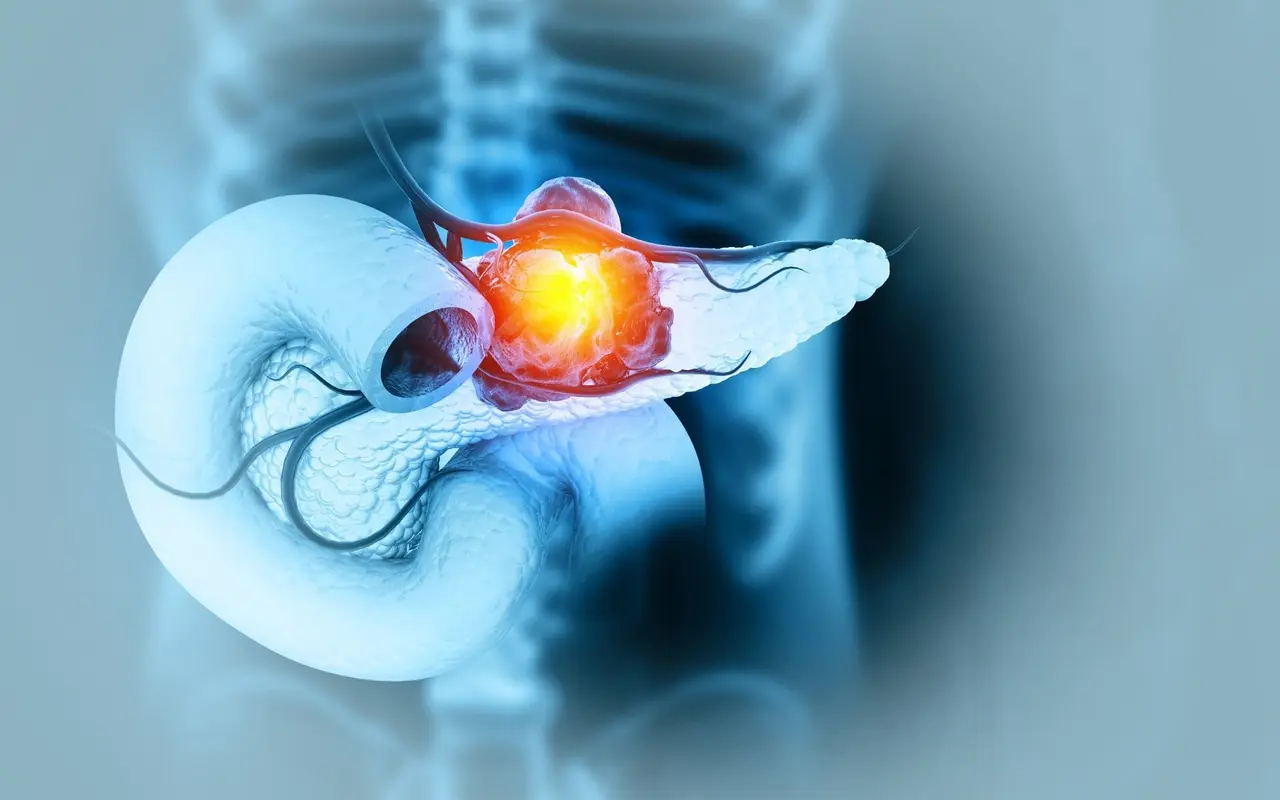
Pancreatic cancer, particularly pancreatic ductal adenocarcinoma (PDAC), has earned the grim nickname "the silent killer" due to its often late-stage diagnosis. In the UK alone, over 10,700 new cases and 9,500 deaths were recorded between 2017 and 2019, with incidence rates on the rise
1
2
. PDAC develops in the pancreatic duct, connecting the pancreas to the small intestine, and can cause subtle symptoms that are easily overlooked or attributed to other conditions.
Source: Medical Xpress
Innovative Approach: Fecal Sample Analysis
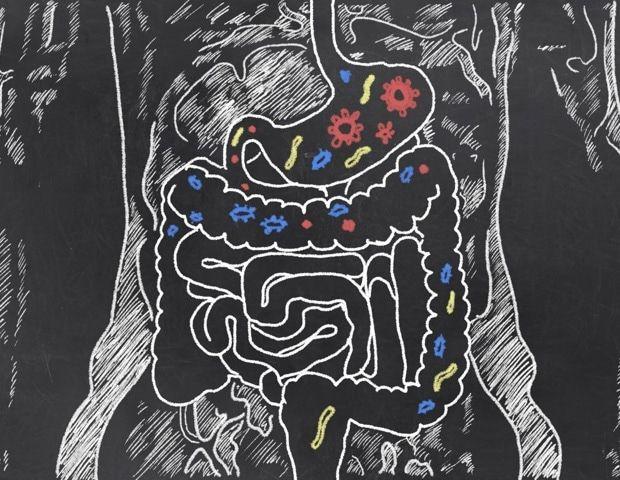
Researchers are now turning to an unexpected source for early PDAC detection: fecal samples. This approach leverages the fact that our gut is home to trillions of bacteria, outnumbering human cells by roughly 40 trillion to 30 trillion
1
2
. These microscopic communities can reflect the state of our health, including the presence of disease.
Source: The Conversation
Global Research Efforts
Studies across several countries, including Japan, China, and Spain, have validated this innovative approach. A breakthrough 2025 international study involving researchers from Finland and Iran examined the relationship between gut bacteria and pancreatic cancer onset across different populations
1
2
.Advanced Sequencing Techniques
The researchers employed 16S rRNA gene amplicon sequencing to analyze bacterial DNA in stool samples. This technique allows scientists to identify and count different bacterial species simultaneously. The findings were striking: PDAC patients exhibited reduced bacterial diversity in their gut, with certain species either enriched or depleted compared to healthy individuals
1
2
.AI-Powered Detection
More importantly, the team developed an artificial intelligence model that could accurately distinguish between cancer patients and healthy people based solely on their gut bacterial profiles
1
2
. This breakthrough demonstrates the potential for using microbiome analysis as a non-invasive diagnostic tool for pancreatic cancer.Related Stories
Beyond Pancreatic Cancer
The applications of this research extend beyond pancreatic cancer. Similar methods are being applied to study colorectal cancer, with researchers at Quadram analyzing over a thousand stool samples using advanced computational tools
1
2
. The bidirectional interactions between cancer and bacteria are particularly fascinating, as the disease itself can alter the gut microbiome, creating a complex web of cause and effect.Future Implications
While still in the early stages of translating these findings into clinical practice, the potential to catch this silent killer before it becomes deadly could transform outcomes for thousands of patients
1
2
. The microbial perspective on health is rapidly becoming a practical reality that could save lives, offering hope for earlier detection and improved treatment strategies.As research in this field continues to evolve, it's clear that the answers to some of our most challenging medical questions might be hiding in plain sight – in the waste we flush away each day
1
2
. This innovative approach to cancer detection represents a significant step forward in our understanding of the human microbiome and its role in health and disease.References
Summarized by

Navi
[1]
[2]
Related Stories
AI model detects hidden pancreatic cancer up to 3 years before doctors spot it on CT scans
07 May 2026•Health
AI detects pancreatic cancer up to 3 years before diagnosis, outperforming radiologists by nearly 3x
29 Apr 2026•Health

AI Breakthrough: Deep Learning Model Revolutionizes Pancreatic Cancer Diagnosis and Treatment
13 Dec 2024•Health

Recent Highlights



Recent Highlights
Today's Top Stories



Don’t drown in AI news. We cut through the noise - filtering, ranking and summarizing the most important AI news, breakthroughs and research daily. Follow topics that matter to you and stay ahead.


