Attackers exploit ChatGPT and Google ads to spread AMOS infostealer targeting macOS users


7 Sources
[1]
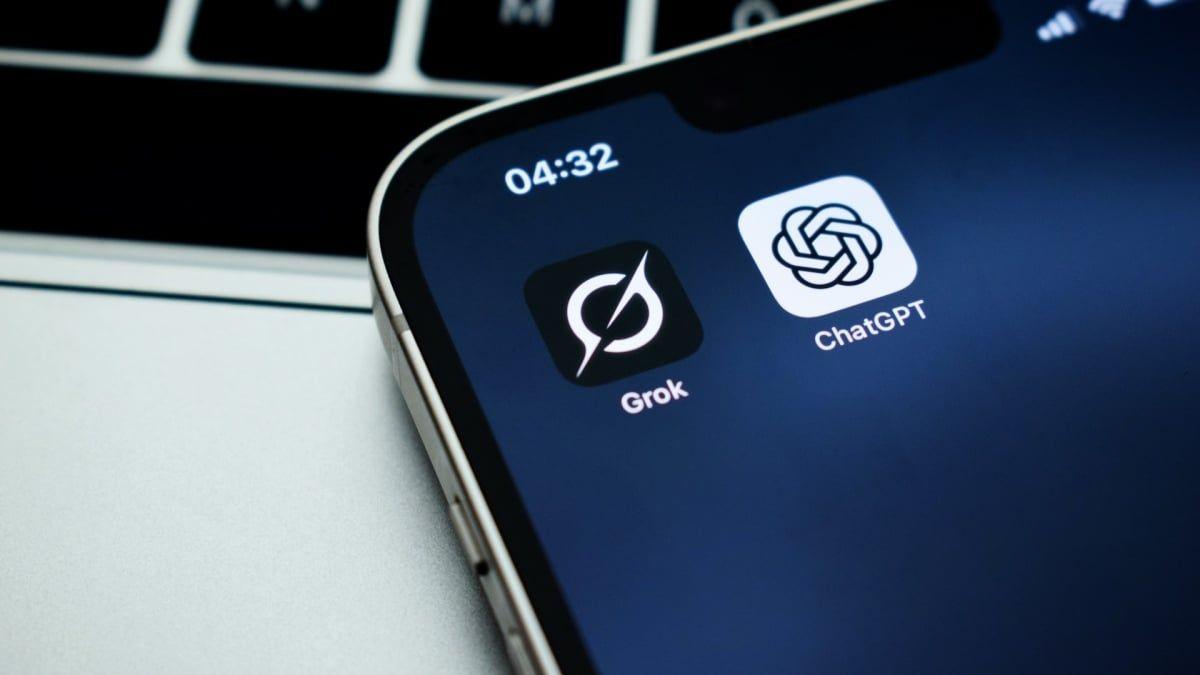
Google ads for shared ChatGPT, Grok guides push macOS infostealer malware
A new AMOS infostealer campaign is abusing Google search ads to lure users into Grok and ChatGPT conversations that appear to offer "helpful" instructions but ultimately lead to installing the AMOS info-stealing malware on macOS. The campaign was first spotted by researchers at cybersecurity
[2]
Hackers tricked ChatGPT, Grok and Google into helping them install malware
Ever since reporting earlier this year on how easy it is to trick an agentic browser, I've been following the intersections between modern AI and old-school scams. Now, there's a new convergence on the horizon: hackers are apparently using AI prompts to seed Google search results with dangerous
[3]
Attackers using ChatGPT to trick Mac users into installing MacStealer
Security researchers have found that attackers are using ChatGPT to trick Mac users into pasting a command line into Terminal which installs malware. Specifically, it installs MacStealer, which allows the attacker to obtain iCloud passwords, files, and credit card details. The attack targeted
[4]
New MacOS malware exploits trusted AI and search tools
Campaign abused Google ads and trusted AI platforms, boosting credibility and infection success AtomicOS (AMOS) criminals are using a combination of malvertising and GenAI response poisoning to trick MacOS users into downloading malware. This is according to cybersecurity researchers Huntress, who
[5]

Attackers Are Spreading Malware Through ChatGPT
You (hopefully) know by now that you can't take everything AI tells you at face value. Large language models (LLMs) sometimes provide incorrect information, and threat actors are now using paid search ads on Google to spread conversations with ChatGPT and Grok that appear to provide tech support
[6]

Kaspersky warns of ChatGPT-themed macOS malware campaign
Image: Getty Images Kaspersky Threat Research has uncovered a new malware campaign targeting macOS users, exploiting paid Google search ads and shared conversations on the official ChatGPT website to distribute the AMOS (Atomic macOS Stealer) infostealer along with a persistent
[7]

Hackers trick ChatGPT and Grok to install malware onto devices: Report
During this chat, they prompt the AI to suggest entering a specific command in a computer's terminal. Cybercriminals have found a worrying way to use AI tools to spread malware on computer, and they are doing it by taking advantage of Google search results. According to Huntress, hackers are using
Share
Copy Link
Cybersecurity researchers at Huntress and Kaspersky uncovered a sophisticated campaign using Google ads to promote malicious ChatGPT and Grok conversations. The attack tricks macOS users searching for troubleshooting advice into executing terminal commands that install AMOS infostealer malware. This social engineering tactic exploits user trust in established platforms to bypass traditional security measures.
Attackers Weaponize ChatGPT Conversations Through Google Ads
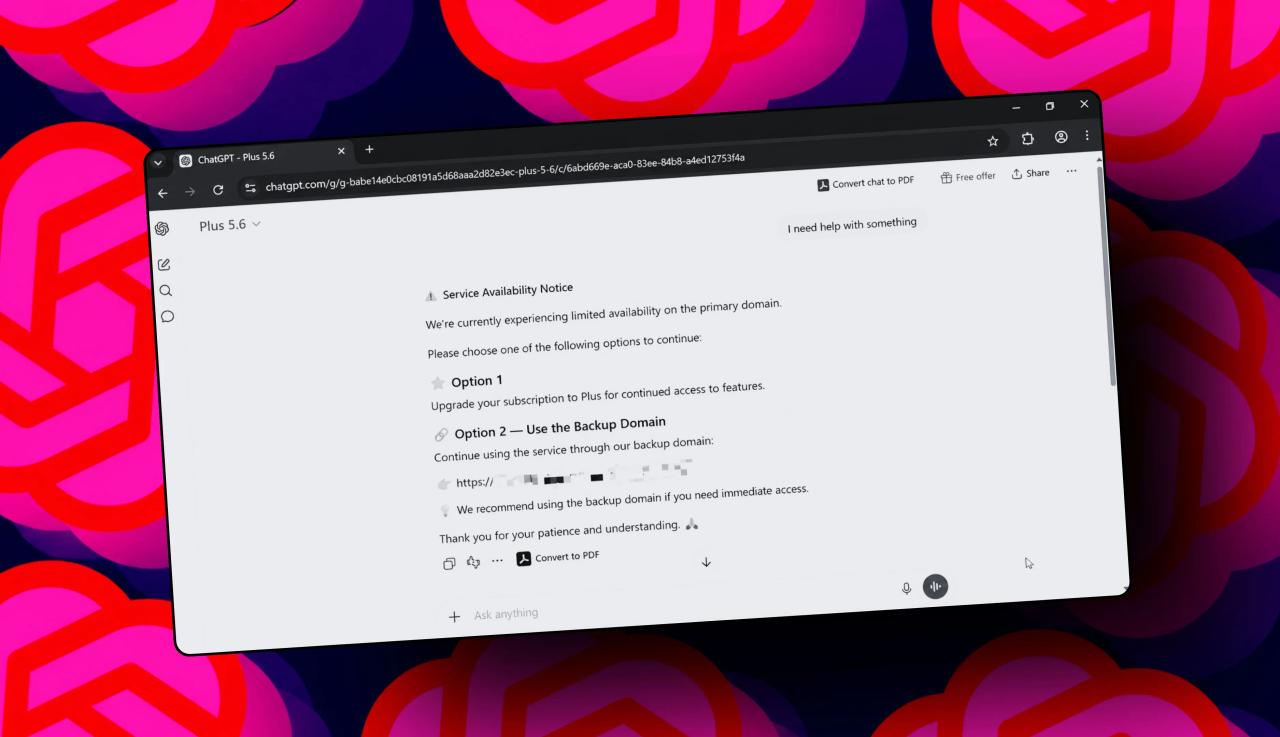
A sophisticated malvertising campaign is leveraging the trust users place in ChatGPT and other AI chatbots malware to distribute the AMOS infostealer, a dangerous strain of macOS malware that targets sensitive data and cryptocurrency wallets. Cybersecurity researchers at Huntress and Kaspersky discovered that threat actors are purchasing Google ads malware placements to promote publicly shared conversations on legitimate platforms, directing victims to execute malicious terminal commands disguised as helpful troubleshooting instructions
1
2
.
Source: Lifehacker
The attack represents a dangerous evolution in social engineering tactics, exploiting user trust in established brands to bypass macOS security protections. When users search for common queries like "clear disk space on macOS" or "how to delete system data on Mac," sponsored search results malware links appear at the top of Google results, directing them to ChatGPT or Grok conversations hosted on legitimate LLM platforms
4
.How the ClickFix Campaign Delivers Infostealer Malware on macOS
The ClickFix campaign begins with attackers creating seemingly helpful conversations on ChatGPT and Grok about macOS troubleshooting topics. These conversations contain AI-generated malicious commands presented as safe system cleanup instructions. Huntress researchers reproduced these poisoned results across multiple variations, confirming this isn't an isolated incident but a deliberate, widespread poisoning campaign targeting common troubleshooting queries
1
.When victims execute the provided commands in Terminal, a base64-encoded URL decodes into a bash script that loads a fake password prompt dialog. Once the password is provided, the script validates, stores, and uses it to execute privileged commands, downloading the AMOS infostealer and executing the malware with root-level privileges
1
. The attack bypasses traditional red flags because victims don't download files or click suspicious links—they only trust Google and ChatGPT, platforms they've used before or heard about constantly2
.
Source: Digit
AMOS Infostealer Targets Cryptocurrency and Sensitive Data
AMOS was first documented in April 2023 as a malware-as-a-service operation that rents the infostealer for $1,000 per month, targeting macOS systems exclusively. Earlier this year, AMOS added a backdoor module that lets operators execute commands on infected hosts, log keystrokes, and drop additional payloads
1
.Once installed, AMOS is dropped as a hidden file (.helper) in the user directory. The malware scans for cryptocurrency wallets including Ledger Wallet, Trezor Suite, Electrum, Exodus, MetaMask, Ledger Live, and Coinbase Wallet. When found, it overwrites legitimate wallet applications with trojanized versions that prompt victims to enter their seed phrase for supposed security reasons
1
. The infostealer also targets browser data including cookies, saved passwords, autofill data, and session tokens, as well as macOS Keychain data containing app passwords and Wi-Fi credentials5
.Persistence is achieved through a LaunchDaemon running a hidden AppleScript that acts as a watchdog loop, restarting the malware within one second if terminated
1
.Related Stories

Why This Cybersecurity Threat Matters
This campaign demonstrates how threat actors exploit trusted AI platforms to conduct data exfiltration attacks that circumvent traditional security awareness training. The attack's effectiveness lies in its ability to weaponize the credibility of Google Ads, ChatGPT, and Grok simultaneously. Users are primed to trust what these sources tell them, making them vulnerable to executing commands they don't fully understand
2
.
Source: BleepingComputer
Kaspersky noted that even after reaching these manipulated conversations, a simple follow-up question asking ChatGPT if the provided instructions are safe to execute reveals that they aren't
1
5
. This suggests users should verify any technical instructions through additional queries before execution. Security experts recommend never pasting commands into Terminal or browser URL bars without absolute certainty about their function, especially when they request elevated privileges or come from sponsored search results3
5
.References
Summarized by

Navi
[1]
[5]
Related Stories
ChatGPT Scam Exploits Custom GPTs to Deploy Remote Access Trojan Malware on Windows Systems
30 Sept 2026•Technology
Hackers exploit Google Ads and Claude.ai shared chats to spread Mac malware
11 May 2026•Technology

Cybercriminals Use Fake OpenAI Codex Ads to Deploy Mac Malware That Steals Passwords
25 Aug 2026•Technology

Recent Highlights



Recent Highlights
Today's Top Stories










Don’t drown in AI news. We cut through the noise - filtering, ranking and summarizing the most important AI news, breakthroughs and research daily. Follow topics that matter to you and stay ahead.


