Hank Green Pauses YouTube Production After Admitting Unhealthy AI Use in Content Creation


14 Sources
[1]
Hank Green found the AI problem that YouTube labels can't catch
YouTube currently requires that content creators let viewers know "when they use AI to meaningfully alter or generate photorealistic content." The policy draws some strange boundaries. It applies to "AI-generated music" (not photorealistic) but not to "riding a unicorn through a fantastical world"
[2]
YouTuber Hank Green says his AI usage is 'not healthy'
Hank Green, a novelist, comedian, and YouTuber with 3.2 million subscribers, recently apologized to his audience for his growing reliance on AI chatbots. The controversy started when, in the middle of a video posted on the educational channel Complexly, Green incongruously used the phrase "I
[3]
Hank Green Is Creating 'an AI Policy for Himself.' He Thinks Other Creators Should, Too - CNET
Jason Chun is a CNET writer covering a range of topics in tech, home, wellness, finance and streaming services.... Read full bio In a video uploaded Friday, prolific internet creator Hank Green said he had taken time to reconsider his use of AI, acknowledging that he had become "too reliant on
[4]
'Not healthy' LLM use is more common than you think
Hank Green, a popular YouTuber and science communicator, said he is stepping back from production amid intense criticism over his use of AI. Green described his AI usage as "not healthy," but stressed that he used it for finding research sources and not to write scripts. Much of the ensuing
[5]

Popular YouTuber Steps Back From Video Creation Over AI Use
Popular YouTube content creator Hank Green is pulling back from making YouTube videos over what he calls an "unhealthy" relationship with the AI he uses for research. Green makes science, AI, and comedy videos and has over 3 million YouTube subscribers. He's known for authentic, science-driven
[6]
Hank Green Is Reckoning With His Use of AI. So Should the Rest of Us - CNET
Jason Chun is a CNET writer covering a range of topics in tech, home, wellness, finance and streaming services.... Read full bio Last week, prolific internet creator Hank Green addressed claims that one of his videos contained an AI-generated script. The YouTuber acknowledged he had used AI "to
[7]
Hank Green says his YouTube channel "may need to pause" after admitting to relying on AI for research.
As Dexerto reports, Green says he wasn't reading an AI prompt in a clip from a recent Ask Hank Anything video, but confessed that he's been using AI "to locate papers and other resources for learning about topics." In a Reddit post, he said he needs to "readjust" now. I need to come to terms with
[8]

YouTuber Hank Green Is Facing a Fan Revolt Over His AI Use
Hank Green has become a living testament to the theory that using AI too much melts content creators' brains, even if they don't generate their actual content with it. Internet drama over this issue is heated and still ongoing, even though Green -- who is the brother of YA author John Green and an
[9]

For creators like Hank Green, AI is now a reputational risk
In the creator world, one of the biggest questions surrounding AI has been how creators should disclose to audiences that they're using AI. Platforms like YouTube rolled out AI labels. Companies built watermarking tools. Creators openly debated where ChatGPT fits into their workflow and when its
[10]

'I'm mortified': YouTube star Hank Green apologizes for ChatGPT overuse after fans accuse him of including a prompt by mistake | Fortune
One of YouTube's biggest names says he is stepping back from producing as much content as he reckons with his relationship with AI to help generate videos. Hank Green has been a YouTube mainstay for nearly 20 years as one half of the Vlogbrothers alongside brother and author John Green, as well as
[11]
Hank Green apologizes for relying too heavily on ChatGPT
Hank Green has spent nearly two decades answering the internet's questions, but this time viewers had one for him: Did ChatGPT write that? Green says it did not, although the controversy has prompted the longtime YouTuber and science communicator to reconsider how much he uses AI in the first
[12]

What the Hank Green fan backlash says about AI in the creator community
The line between acceptable and reprimandable AI use is blurrier than ever, and popular science YouTuber Hank Green is trying to navigate it amid a groundswell of public scrutiny. But not even social media users know entirely where they stand. In a recent video posted to Complexly, the nonprofit
[13]

Hank Green Admits To Using AI After Fan Backlash Over Recent Video
'The level of dopamine I've been getting from interacting with LLMs is not healthy for me,' said Hank Green Longtime YouTuber and science content creator Hank Green has announced that his main channel will likely be "paused" as he deals with his admitted overreliance on ChatGPT and other AI tools
[14]

Hank Green Apologizes for Heavy AI Use, Slows YouTube Videos
YouTube creator Hank Green apologized to fans on Friday after backlash over his use of AI for content research. The creator said helped find academic papers and resources faster during busy production periods. Fans raised concerns after a recent Complexly video appeared to have an AI-like style.
Share
Copy Link
Popular science YouTuber Hank Green is stepping back from video production after acknowledging an unhealthy reliance on AI chatbots for research. With 3.2 million subscribers, Green's admission has sparked broader questions about AI's psychological impact on creators and the boundaries of authentic content creation.
YouTuber Hank Green Admits Unhealthy Reliance on AI
Hank Green, a science communicator and YouTuber with 3.2 million subscribers, announced he is stepping back from content creation after acknowledging an unhealthy reliance on AI chatbots
2
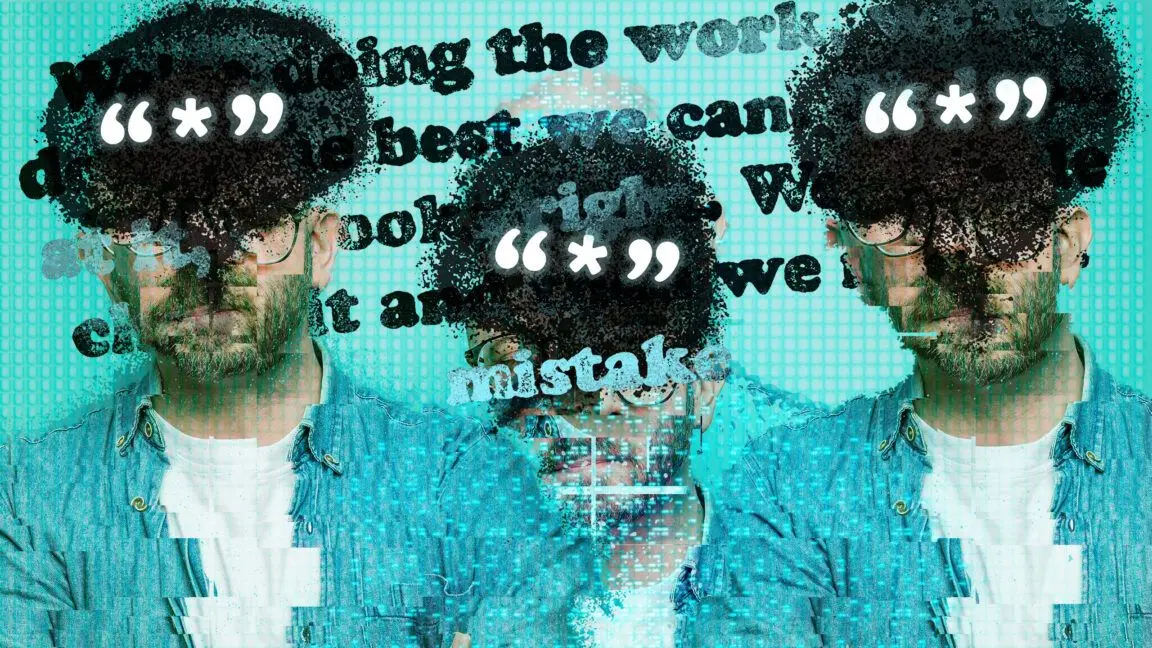
. The controversy erupted when viewers noticed a phrase in one of his educational Complexly videos—"I appreciate the pushback"—that appeared to be an accidentally included ChatGPT response, leading to speculation about AI-generated scripts2
.Green, known for creating the educational YouTube channel Crash Course and building the app Focus Friend, initially defended his use of AI in a now-deleted post on X, stating he produced the video "under a ton of pressure" and used ChatGPT "for research on this script"
2
. However, he later offered a more comprehensive apology on Reddit, admitting he had been "relying too heavily on AI as a research aid"1
.
Source: CNET
The Psychological Impact of AI on Creative Process
In his Reddit post, Green described what many creators may be experiencing but few have articulated publicly. "The level of dopamine I've been getting from interacting with LLMs...with doing more and more and more and more...is not healthy for me or good for the world," he wrote
2
5
. Green admitted he had been "moving so fast that my own process isn't actually clear to me" and that using AI to locate papers and resources meant he wasn't given "the freedom to find all of my own ways into and around a topic"1
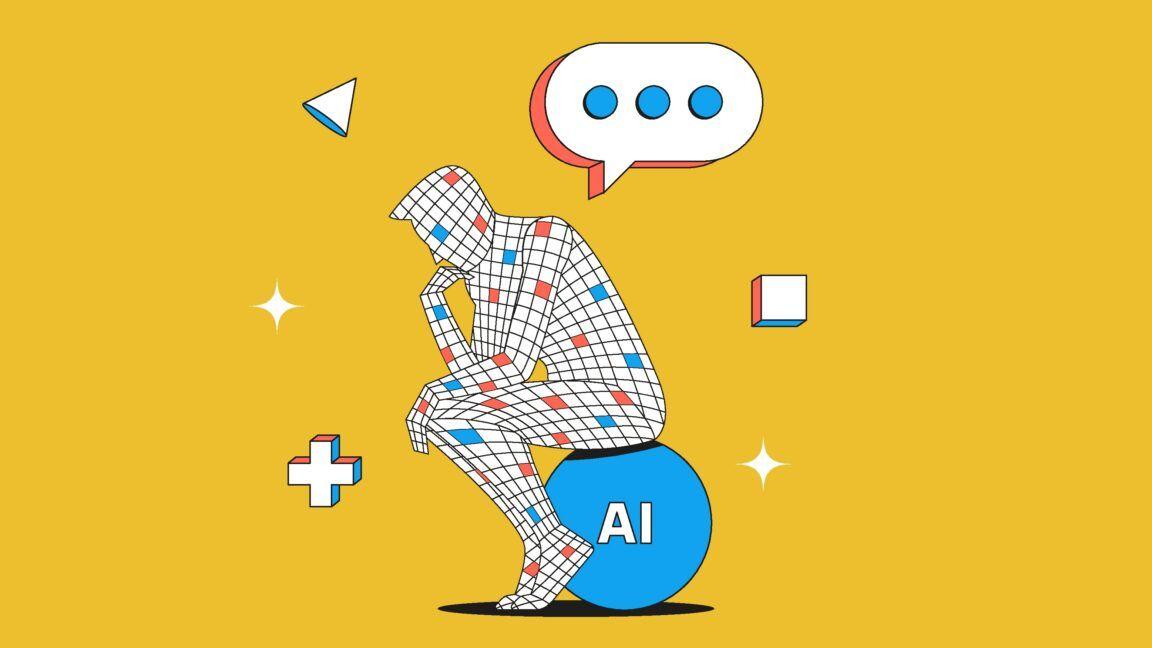
.This case points to a growing gap in understanding AI's psychological impact on users. Most public discussion clusters around apparently benign use on one end and self-evidently problematic cases involving psychiatric care on the other, but Green's situation illustrates the vast, murkier space between them where use may become compulsive or dependent without tipping into crisis
4
. After discussing his AI use with his wife and brother, they "did not pull any punches," suggesting neither thought he was using it in a healthy manner5
.
Source: Ars Technica
YouTube's AI Disclosure Policy Gaps
Green's situation exposes significant gaps in YouTube's current AI disclosure policy. The platform requires creators to disclose "when they use AI to meaningfully alter or generate photorealistic content," but this policy exempts AI use for "idea generation" and "production assistance, like using generative AI tools to create or improve a video outline, script, thumbnail, title, or infographic"
1
.This creates odd scenarios where a creator could use AI to generate a video's premise, conduct research, write an outline, and even clone their own voice for voiceovers—all without disclosure
1
. Yet having AI help in these ways imparts a certain feel and logic to projects that differs from human-driven work. Humans approaching topics without AI might find sources through different paths and note different things as important, creating fundamentally different outlines of the same material1
.Related Stories


Broader Implications for AI in Creative Fields
Green's case raises fundamental questions about when AI supports human effort versus replacing it in ways that matter. While he insisted "my words are mine" and that he writes his own scripts, he acknowledged it was fair to criticize him for "diluting" himself
2
. In a video uploaded Friday, Green pledged to create "an AI policy for himself" and encouraged other creators to take a similar approach3
.Early research suggests repeated AI tool use can weaken the skills we'd use to do tasks it replaces, a phenomenon known as cognitive offloading. Studies have shown chatbot users display notably less brain activity when performing particular tasks, while additional research has linked chatbot use to reduced critical thinking skills
4
. There's also concern that using AI can atrophy the skills offloaded to it—what Green describes as not wanting to "dilute" himself5
.
Source: The Verge
Scale of Potential Impact
Even if only a fraction of chatbot use is considered unhealthy, the sheer scale of AI adoption means millions could be affected. OpenAI alone reported more than 900 million weekly active users this year
4
. AI chatbots are designed to keep chatting, explicitly built to engage users much like social media platforms—qualities that experts have identified as key drivers of problematic use4
.Green concluded that "making more things does not make me make better things" and said the result will likely be fewer videos
1
. He plans to do more work like a recent meditative video "where the writing was the whole thing and I felt it all the way down," prioritizing authenticity and transparency over volume2
. For creators across platforms, Green's experience serves as a cautionary tale about the hidden costs of large language models in maintaining authentic human expression and the creative process.References
Summarized by

Navi
[1]
[2]
[3]
[4]
[5]
Related Stories
Recent Highlights



Recent Highlights
Today's Top Stories






Don’t drown in AI news. We cut through the noise - filtering, ranking and summarizing the most important AI news, breakthroughs and research daily. Follow topics that matter to you and stay ahead.


