3 Sources
[1]
Europe's defence-AI champion Helsing is using Rakuten to break into Japan's arms market
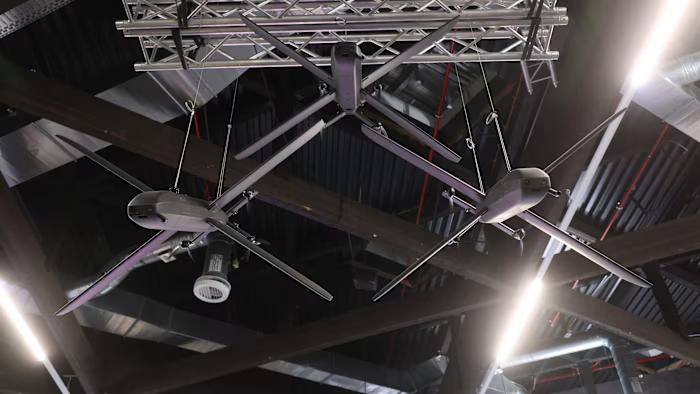
Japan's army is field-testing Helsing's HX-2 strike drone, with the Japanese group Rakuten smoothing the German startup's path into a market that has only just opened to foreign weapons. Helsing, the Munich startup that has become Europe's best-funded defence-AI company, is pushing into Asia, and it has found an unlikely guide. The German firm has enlisted Japan's Rakuten, a name better known for e-commerce and mobile phones, to help broker the sale of its unmanned systems to Japan's Ground Self-Defence Forces. At the centre of the effort is the HX-2, a compact AI-guided strike drone that Japan's military is putting through field trials due to run until the end of September. Alongside the drone, Helsing sells AI software for battlefield analysis, underwater surveillance and combat aircraft, the software-first arsenal that has made it one of Europe's most valuable tech firms and a poster child for the continent's rearmament. The conglomerate is positioning itself as a broker that can walk foreign defence startups through Japan's notoriously opaque procurement system, and it has done this before, having helped the Ukrainian drone-software firm Swarmer show its tech to Japanese units. In a market where the paperwork can be as formidable as the competition, a trusted local name is worth a great deal. The timing is deliberate. Japan is in the middle of its biggest military build-up in decades, driven by an increasingly assertive China and a war in Ukraine that has rewritten every assumption about drones, and it eased its long-standing arms-export and procurement rules earlier this year. That has thrown open a market foreign weapons-makers could barely touch before, and Helsing is far from the only one now circling it. Tokyo has committed to lifting defence spending toward levels not seen in the postwar era, and every yen of that budget is a magnet for exactly the kind of autonomous, software-led kit the war in Ukraine has made fashionable. A company built on online shopping and mobile networks recasting itself as a matchmaker for weapons startups is a measure of how far the defence boom has spread beyond the traditional primes, pulling in financiers, cloud providers and consumer-tech names chasing a market suddenly awash with government money. Across Europe and Asia alike, capital and engineers are pouring into anything that promises an edge on a modern battlefield. Founded only in 2021, it raised billions this year, ranks among Europe's most valuable private tech firms, and has become a primary supplier of drones to Ukraine with Berlin's backing. Its pitch, that modern warfare is increasingly won by software and autonomy rather than sheer hardware, has made it the continent's clearest bet that AI belongs at the heart of defence. That reputation is not spotless, though. Earlier this year Ukraine paused further orders of the HX-2 after technical problems in the field, a reminder that the distance between an impressive AI demo and a reliable battlefield weapon can be wide. Japan's own trials, with another month left to run, will be watched closely for exactly that reason. The Japan move also fits a company expanding on every front. Helsing has been building an AI submarine, striking an alliance with Mistral on military AI, and casting itself as a pillar of Europe's scramble to rearm. Selling into Asia extends that ambition well beyond NATO, and quietly turns a European champion into a would-be global arms supplier. Whether the Rakuten partnership converts trials into contracts is still unknown, and Japan remains a cautious buyer with a long procurement memory. But the very fact that a European AI startup barely five years old is testing strike drones for the Japanese army, with an e-commerce giant as its fixer, captures how fast the business of war is being remade, and how eagerly its new players are rushing in.
[2]
Japan is testing Helsing's HX-2 strike drone
Rakuten links Japan's military with a generation of autonomous weapons companies * Rakuten is helping Helsing navigate Japan's complicated military procurement system * Helsing's HX-2 strike drone is already undergoing trials with Japan's military * Japan's expanding defence budget is attracting overseas military technology companies Rakuten has revealed it is now working with German defense AI startup Helsing to bring the company's military drones into Japan. The Tokyo-based ecommerce and finance conglomerate is acting as the local broker between Helsing and Japan's Ground Self-Defense Force. Field tests of Helsing's HX-2 strike drone began earlier this year and will run through the end of September 2026. Rakuten's role in the deal Helsing says it reached an "initial agreement" for the Japanese government to use its systems earlier in 2026, brokered through an unnamed local partner. That partner was Rakuten, according to Nikkei, which first reported the tie-up between the two companies. Rakuten has little defense industry experience of its own, but it wants to help more startups enter Japan's defense sector. Hideaki Mukai, Chief of Staff to Rakuten's CEO, said startups face structural barriers including complex procurement systems and difficulty reaching government agencies. "Encouraging greater participation for startups in Japan's defense industry presents an important opportunity to strengthen the country's defense capabilities," he said. Mukai added Rakuten hopes to bridge these gaps by connecting startups and emerging technologies with the needs of government agencies. At the moment, there is no official confirmation from Japan's Ground Self-Defense Force about the arrangement. A pattern for Rakuten and a market for Helsing Rakuten previously helped Ukrainian drone software maker Swarmer demonstrate its technology to a unit of Japan's military in late April. That test used AI software to coordinate a swarm of drones in a seek-and-hit mission over Japanese territory. Rakuten founder Hiroshi Mikitani has been among Japan's most vocal supporters of Ukraine since the war began in 2022. His company has also helped other Ukrainian defense firms exhibit their products at arms fairs held across Japan. Japan's rising military spending, combined with its recent easing of arms export restrictions, has drawn strong interest from overseas defense firms. Many of these companies are now searching for local partners capable of navigating Japan's complex procurement environment. Helsing was founded in 2021 and initially focused on building AI software to analyze battlefield data for clients. The company has since expanded into autonomous strike drones, underwater surveillance systems, and military aircraft applications worldwide. It holds contracts with several European governments and supplies Ukraine with drones funded by the German government. In July 2026, the Munich-based firm raised $1.8 billion in a single funding round, its largest to date. That round cemented Helsing's position as Europe's best-funded defense technology startup, ahead of rivals across the continent. Via Bloomberg Follow TechRadar on Google News and add us as a preferred source to get our expert news, reviews, and opinion in your feeds.
[3]
Rakuten, German startup Helsing test military drones for Japan
Rakuten Group is working with defense AI startup Helsing to bring the German company's military drones to Japan. The Tokyo-based online shopping mall operator served as the point of contact between Helsing and the Japanese government, according to a Rakuten spokesperson. The country's Ground Self-Defense Force will conduct field tests of Helsing drones through the end of September, he said, without providing further details. The tie-up, which would be one of Helsing's first partnerships in the Asia-Pacific region, was first reported by the Nikkei. Japan, which for decades restricted arms exports, has been stepping up defense spending, and the country's companies have followed suit. E-commerce pioneer Rakuten has shifted some of its focus to the sector: It's partnered with a Ukrainian government agency to develop defense technologies, while subsidiary Rakuten Mobile has taken part in joint U.S.-Japan military trials of mobile technologies. Founded in 2021, Munich-based Helsing has gained prominence as a supplier of military software and attack drones following Russia's invasion of Ukraine. Last month, Goldman Sachs backed Helsing at a valuation of $18 billion. Helsing's offerings include the AI strike drone HX-2, which touts software that allows it to seek and identify targets without continuous data connectivity. Helsing has not disclosed military contracts outside of its native Germany, although the startup is active in multiple countries. Rakuten shares rose as much as 3.5% in Tokyo on Monday.
Share
Copy Link
Munich-based Helsing has enlisted Rakuten Group to navigate Japan's arms market, with the HX-2 strike drone now undergoing field trials with Japan's Ground Self-Defence Forces through September. The partnership marks a shift as Japan eases procurement rules and ramps up defence spending to historic levels, drawing foreign weapons-makers into a market previously closed to them.
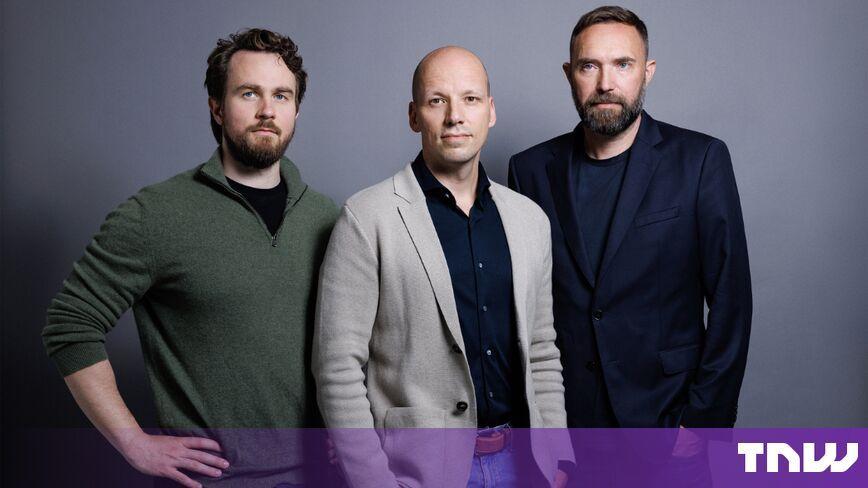
Munich-based Helsing, Europe's best-funded German defence-AI company, has partnered with Rakuten Group to enter Japan's arms market
1
. The unlikely collaboration pairs a defence-AI startup with an e-commerce and mobile phone conglomerate to navigate Japan's notoriously opaque procurement system2
. Rakuten is positioning itself as a broker for foreign defence startups, having previously helped Ukrainian drone-software firm Swarmer demonstrate its technology to Japanese military units1
.Japan's Ground Self-Defence Forces began field trials of the Helsing HX-2 strike drone earlier this year, with tests scheduled to run through the end of September
2
3
. The compact AI-powered military drone features AI software that allows it to seek and identify targets without continuous data connectivity3
. This partnership represents one of Helsing's first expansions into the Asia-Pacific region, extending the company's reach well beyond NATO markets3
.Japan is experiencing its biggest military spending increase in decades, driven by an increasingly assertive China and lessons from the war in Ukraine
1
. The country eased its long-standing arms-export rules earlier this year, throwing open a market that foreign weapons-makers could barely touch before1
. Tokyo has committed to lifting defence spending toward levels not seen in the postwar era, creating a magnet for autonomous, software-led equipment that modern warfare has made essential1
.Hideaki Mukai, Chief of Staff to Rakuten's CEO, explained that startups face structural barriers including complex procurement systems and difficulty reaching government agencies
2
. "Encouraging greater participation for startups in Japan's defence industry presents an important opportunity to strengthen the country's defense capabilities," Mukai said2
. Rakuten aims to bridge these gaps by connecting startups and emerging defence technologies with government agency needs2
. The company has also partnered with a Ukrainian government agency to develop defence technologies, while subsidiary Rakuten Mobile has participated in joint U.S.-Japan military trials of mobile technologies3
.Related Stories
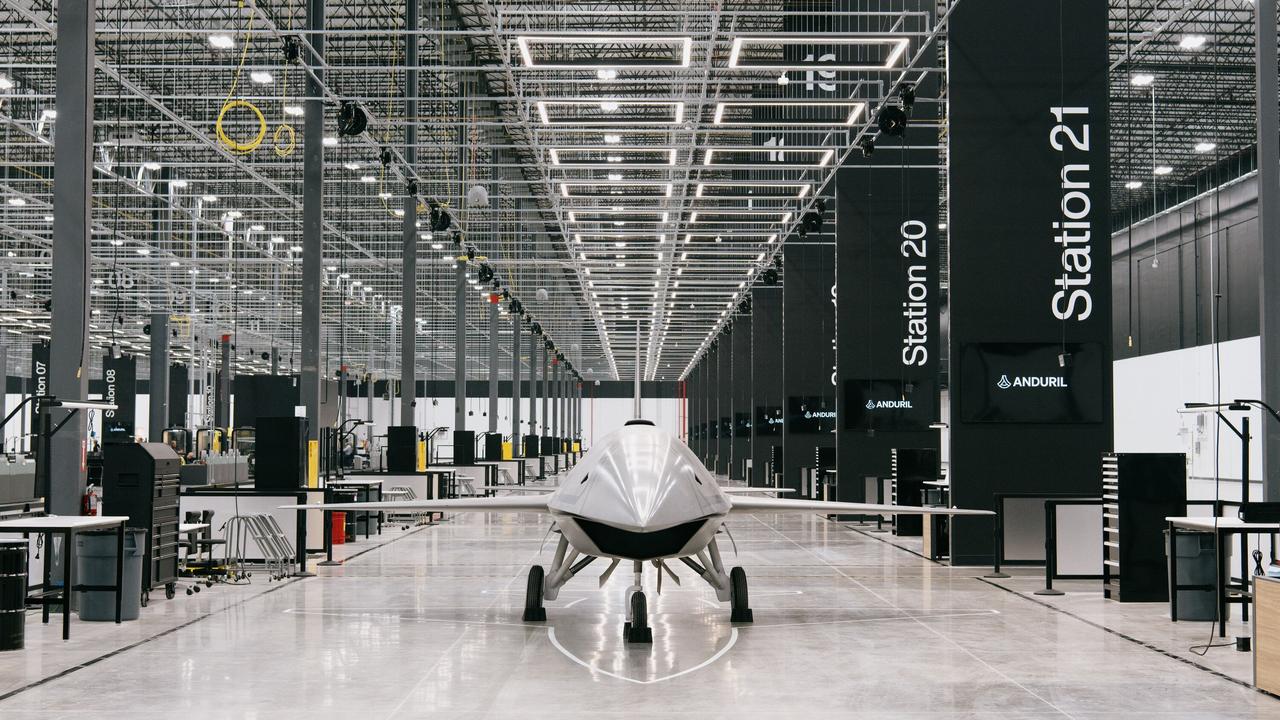
Founded only in 2021, Helsing raised $1.8 billion in July 2026, cementing its position as Europe's best-funded defense technology startup
2
. Goldman Sachs backed the company at a valuation of $18 billion3
. Beyond autonomous strike drones, Helsing sells AI software for battlefield analysis, underwater surveillance, and combat aircraft applications1
. The company has become a primary supplier of drones to Ukraine with Berlin's backing, though Ukraine paused further orders of the HX-2 earlier this year after technical problems in the field1
.Japan's field trials, with another month left to run, will be watched closely as they test whether Helsing can deliver reliable battlefield weapons beyond impressive AI demos
1
. Whether the Rakuten Group partnership converts trials into contracts remains unknown, as Japan remains a cautious buyer with a long procurement memory1
. The partnership signals how capital and engineers are pouring into anything that promises an edge in modern warfare, pulling in financiers, cloud providers, and consumer-tech names chasing a market suddenly awash with government money1
. Rakuten shares rose as much as 3.5% in Tokyo following news of the partnership3
.Summarized by
Navi
[1]
[2]
03 Dec 2024•Technology

03 Dec 2024•Technology

13 Jul 2026•Startups