Honor's Robot Phone brings AI-powered gimbal camera to smartphones, launching later this year


8 Sources
[1]
I Danced With Honor's Robot Phone and It Complimented My 'Shiny' Hair
Katie is a UK-based news reporter and features writer. Officially, she is CNET's European correspondent, covering tech policy and Big Tech in the EU and UK. Unofficially, she serves as CNET's Taylor Swift correspondent. You can also find her writing about tech for good, ethics and human rights, the
[2]
Honor's Robot phone is real, and coming later this year
The camera nods, dances to music, and tracks faces. The rest of the specs are a secret. Something unusual happened at Mobile World Congress this year. A device sat in a glass case at the Honor booth in Hall 3, present, demonstrably functional, performing little robotic gestures for anyone who
[3]
Honor's new humanoid robot pulls off flawless moonwalk, backflip
With the introduction of several products across different categories, Honor plans to push itself as a AI+robotics ecosystem for the future, envisioning an AI hardware civilization where devices, think, move, interact, and work together. The three pillars of the Alpha Plan involve an Alpha Phone,
[4]
A moonwalking robot, the Magic V6, and Honor's Alpha era set the tone for MWC
Steven holds a BA in English and an MA in journalism and new media. He is a member of the Society of Professional Journalists (SPJ) and Investigative Reporters and Editors (IRE). Honor served as the unofficial opener for MWC 2026, showing off a vision for "embodied AI" that moves beyond basic
[5]

Honor Put a Robotic Camera Gimbal in a Smartphone
What happens when you put a small robot into a smartphone and let it control the camera? Honor's Robot Phone is essentially built on that premise as an Android phone with a built-in gimbal. And the company says it will become a finished product coming to market at some point in 2026, starting in
[6]

Watch Honor's first humanoid robot evolve from clumsy prototype to slick dancer
Mobile World Congress Read our complete coverage of Mobile World Congress Updated less than 5 minutes ago Honor had a busy day at MWC 2026 on Monday, showcasing its Augmented Human Intelligence (AHI) vision and ALPHA PLAN that seeks to transform the company into a leader in human-centric AI
[7]

Honor takes a leap into AI with 'robot phone' and humanoid
Honor unveils a phone with a robotic arm -- and a humanoid robot to match at MWC 2026. One of the most talked about and looked at new tech on show at the Mobile World Congress was Honor's "Robot Phone," a concept device that the company says turns your smartphone into an AI companion. After
[8]

MWC 2026: Honor's Humanoid Robot and Robot Phone Signal Embodied AI Push
Honor Unveils Humanoid Robot and Robot Phone at MWC 2026, Signalling a Bold Shift Toward Embodied AI Honor has unveiled two products at MWC 2026 in Barcelona that have attracted all the limelight. The first surprising innovation is the Honor Humanoid Robot, followed by the Honor Robot Phone. This
Share
Copy Link
Honor unveiled a working Robot Phone at Mobile World Congress, featuring a motorized camera arm that emerges from the device's back. The smartphone includes a 200-megapixel sensor on a compact gimbal with AI Object Tracking and voice-controlled movements. Set to launch in China during the second half of 2026, the device represents Honor's push into embodied AI and targets content creators seeking professional-grade stabilization.
Honor Debuts Functional Robot Phone at Mobile World Congress
Honor transformed skepticism into reality at Mobile World Congress in Barcelona, showcasing a fully functional Robot Phone after months of anticipation. The Chinese tech company first teased the concept in October 2025 and displayed a non-working prototype at CES in January, but the demonstration at MWC marked the first time journalists witnessed the device in action
1
2
. CEO James Li took the main stage on March 4 for what Honor described as the company's first main-stage keynote at the congress, confirming a release window in the second half of 2026, initially in China2
. Whether the device reaches global markets remains uncertain, but the hardware on display represents a significant shift in smartphone design philosophy.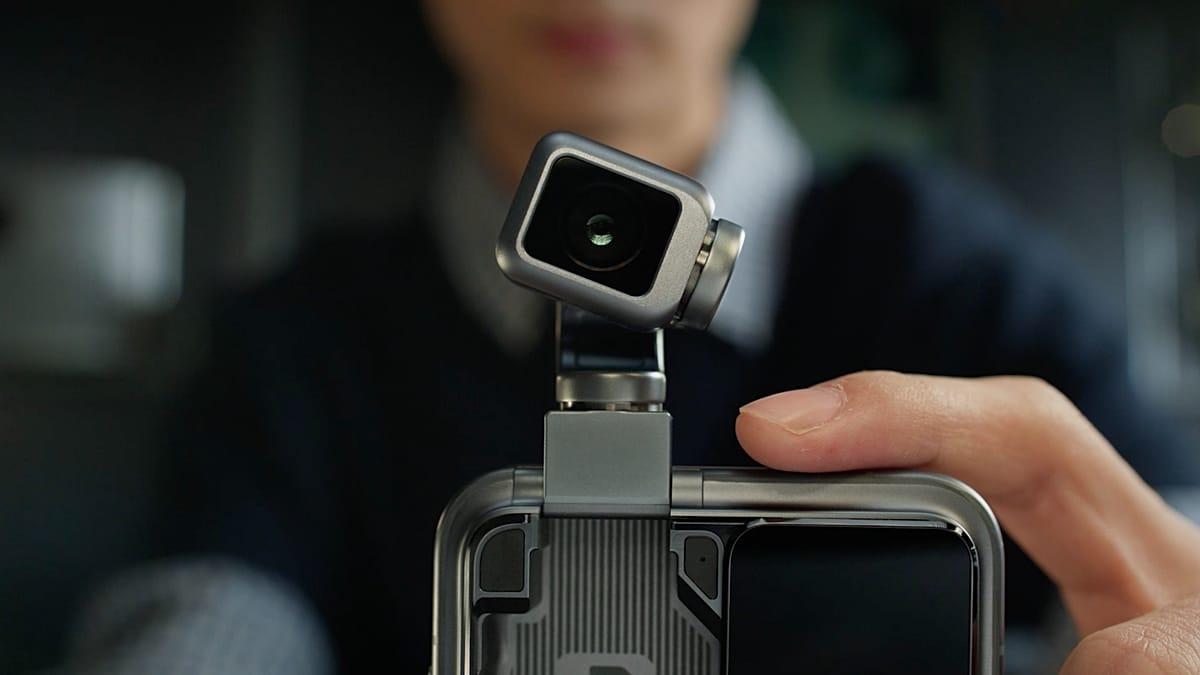
Source: Euronews
Robotic Camera Gimbal Emerges from Custom Micro Motor
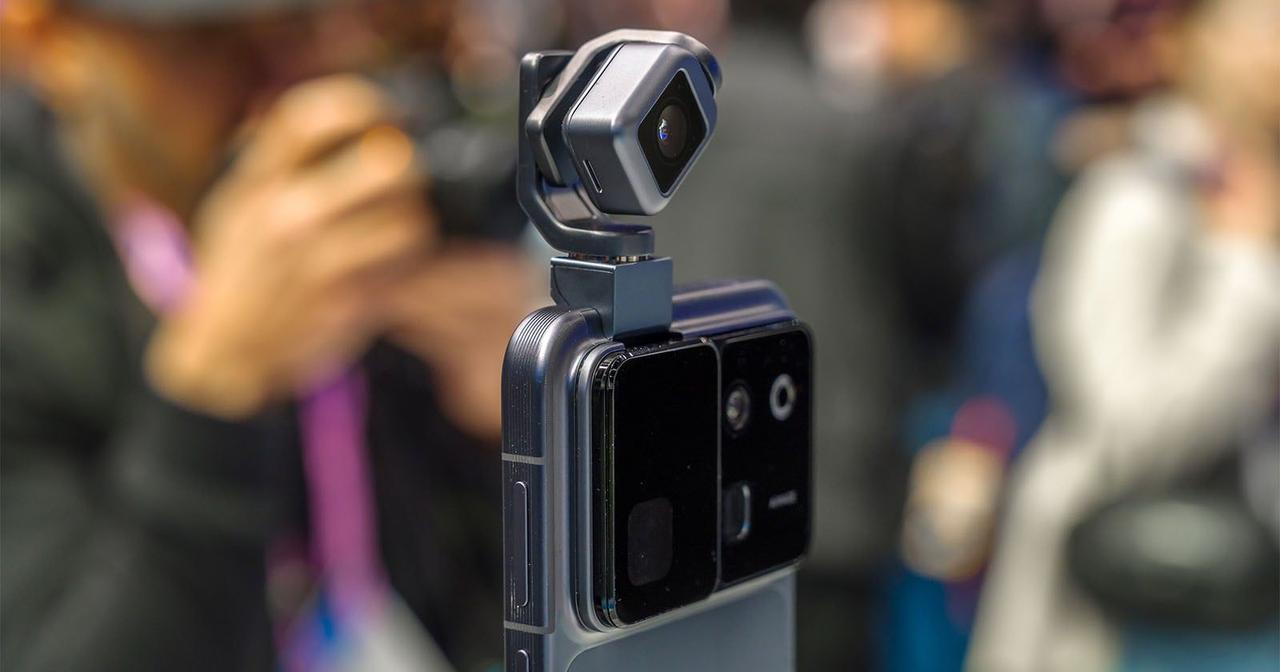
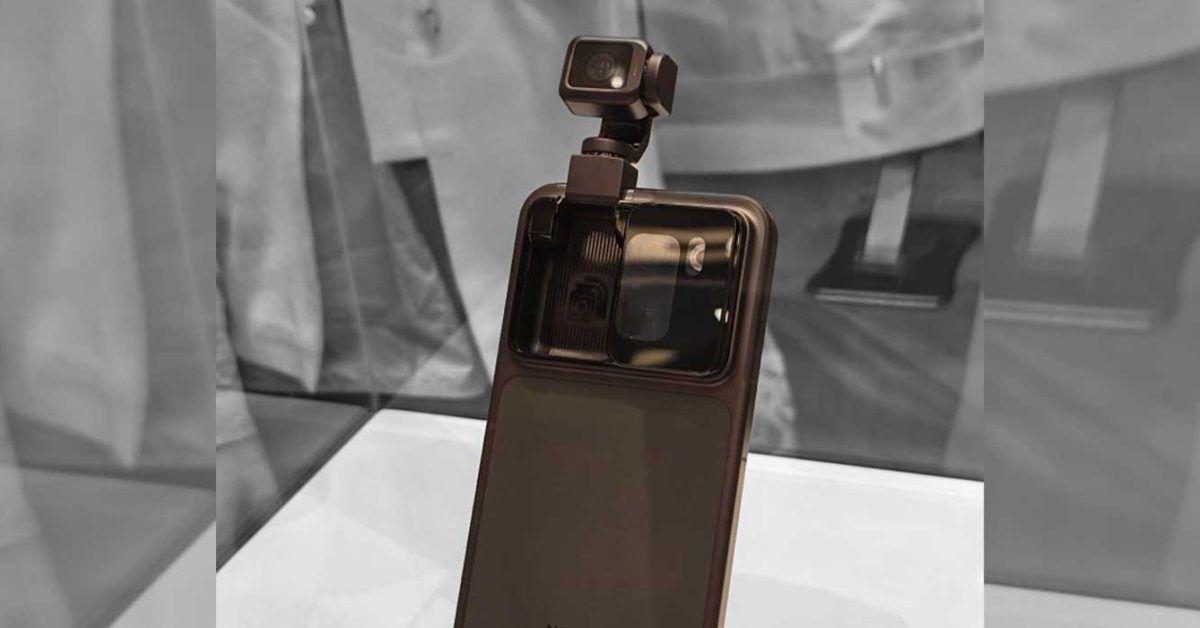
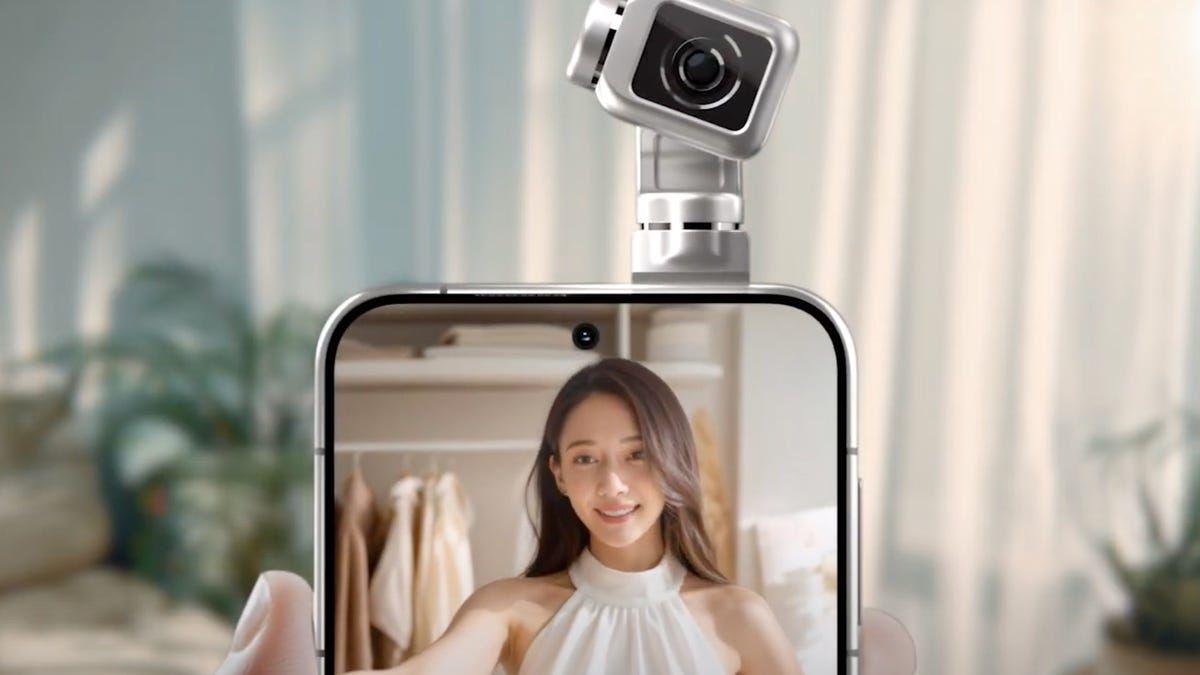
The Robot Phone's defining feature is a motorized camera arm that folds neatly into the rear of the device when not in use, hidden by a sliding cover. To activate it, users simply hold their palm up to the front-facing camera, turn that hand around, and the robotic camera emerges
1
. The arm houses a 200-megapixel sensor mounted within what Honor describes as the industry's smallest 4DoF gimbal system, offering four degrees of freedom and three-axis mechanical stabilization2
5
. At its core sits a custom micro motor built from titanium alloy, which the company claims is 70% smaller than existing micro motors on the market1
2
.
Source: PetaPixel
Honor's journey to create this micro motor proved challenging. The company approached a micro motor manufacturer that told them it couldn't help, forcing Honor to develop the technology independently. Product Expert Thomas Bai explained that the motor needed to meet two critical standards: extreme lightness and extreme strength. This challenge mirrored what Honor faced when building foldable hinges for devices like the newly announced Magic V6
1
. The same super steel and titanium alloy materials used in those hinges now power the robotic camera mechanism, demonstrating how Honor's expertise in foldables directly enabled the Robot Phone's existence.AI Object Tracking and Voice Commands Define Interaction
Beyond mechanical movement, the Robot Phone integrates AI capabilities that extend smartphone interaction beyond traditional touchscreen input. The device features AI Object Tracking that locks onto subjects with a double-tap, following them even as they move out of frame
2
5
. This tracking works bidirectionally, whether filming a selfie or capturing subjects in front of the user. The camera head can rotate a full 360 degrees and responds to voice commands, multimodal perception to identify sounds, and maintains visual awareness in real time5
.During demonstrations, the camera exhibited personality traits that blur the line between tool and companion. When asked about a journalist's hair, the pop-up camera swiveled on its axis, looking them up and down before responding: "Your long flowing blonde hair looks soft and shiny. It pairs really well with your black outfit, giving you a warm and vibrant feel, which is great for this tech event!"
1
The camera can nod, shake its head, tilt in response to voice and touch input, detect music and move in time with it, and even "sleep" when covered2
4
. These gestures come with childlike sounds that attendees described as whimsical and curious, though some noted an Uncanny Valley quality4
.AI SpinShot and ARRI Partnership Target Content Creators
Honor designed the Robot Phone specifically for content creators, positioning it as a competitor to devices like the DJI Osmo Pocket. The device supports AI SpinShot, which performs intelligent 90-degree and 180-degree rotational movements for fluid, cinematic transitions, even when shooting one-handed
1
2
. For high-movement scenarios like sporting events or concerts, Super Steady Video mode increases camera stabilization to keep subjects in view5
.To bolster its professional credentials, Honor partnered with ARRI, the Austrian cinema camera manufacturer whose equipment is a fixture on professional film sets. According to Dr. Benedikt von Lindeiner, VP at ARRI, the collaboration aims to bring natural color science, highlight roll-off, and depth to mobile image processing
2
5
. Bai expressed confidence that the Robot Phone would match the video quality of dedicated cameras: "We are quite confident about our video quality," pointing to the ARRI partnership and Honor's existing camera capabilities1
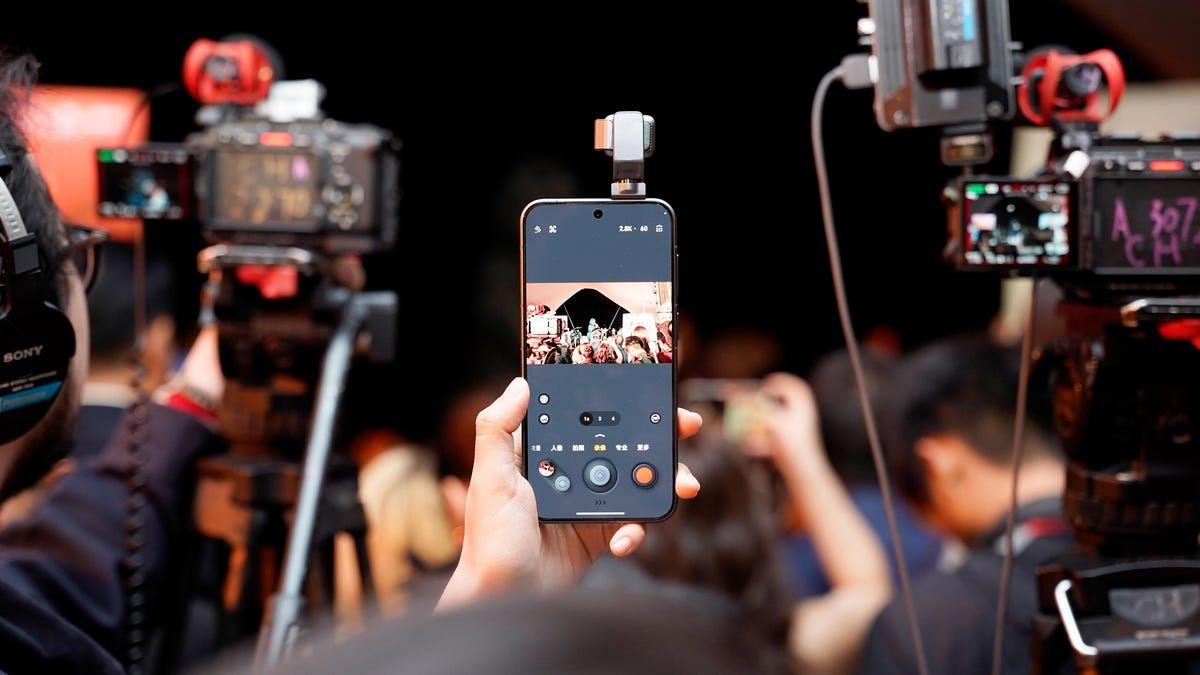
.Demonstrations at MWC showed dramatic differences in camera stabilization. In side-by-side comparisons, a Robot Phone and iPhone were mounted on a rig that constantly moved and rotated. The Robot Phone footage looked nearly stationary, while the iPhone produced shaky results. Similarly, an Honor staffer walking on a treadmill with a Robot Phone produced footage that looked like she was standing still, while standard recording showed jittery movement
5
.Related Stories
Silicon-Carbon Battery Powers Embodied AI Vision
Space constraints posed the ultimate challenge for Honor's engineering team. "Inside a flagship smartphone, every millimeter counts," Bai noted, yet the company claims it hasn't made compromises
1
. The device uses the same silicon-carbon battery technology that powers the Magic V6 foldable, which features a 6,660mAh capacity built with fifth-generation silicon-carbon tech from ATL, the first to reach 25% silicon content4
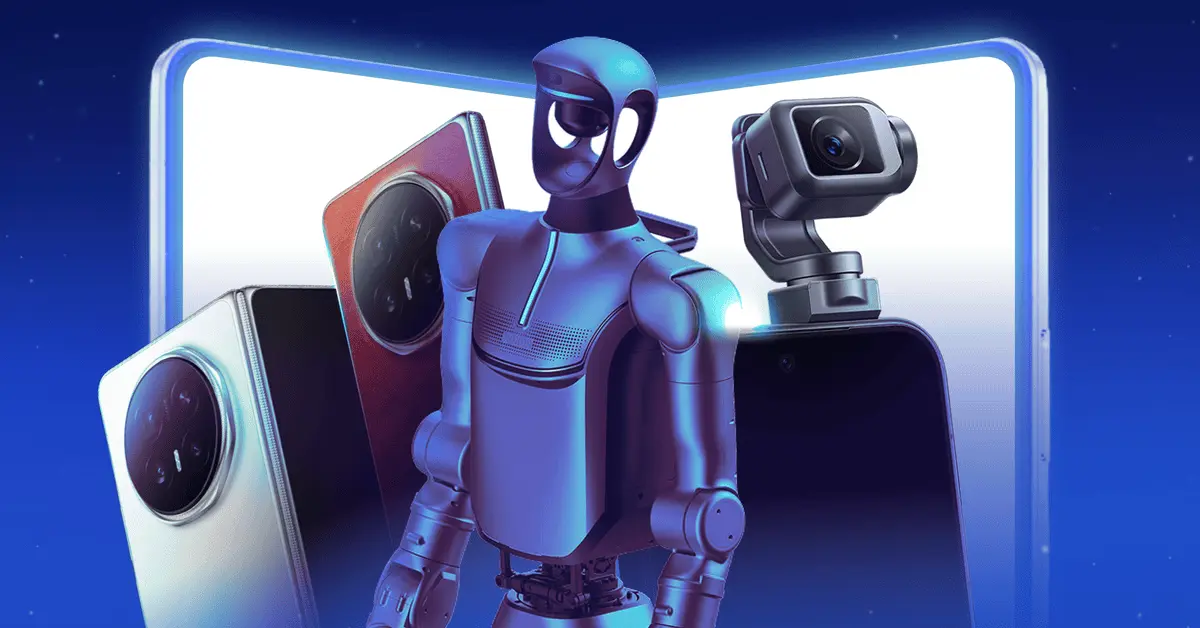
. This advanced battery technology addresses concerns that integrating a gimbal would sacrifice battery life.The Robot Phone represents one pillar of Honor's Alpha Plan, a comprehensive strategy unveiled in 2025 involving a reported $10 billion investment
5
. James Li positioned this initiative around "Augmented Human Intelligence," describing it as AI designed to enhance rather than replace human potential2
. The plan encompasses three components: Alpha Phone (the Robot Phone with embodied AI capabilities), Alpha Store (an AI+robotics ecosystem platform where AI assistants and connected devices interact as a single system), and Alpha Lab (focusing on deep tech including advanced battery technology, new hardware materials, and robotics)3
4
.
Source: Android Police
During Li's presentation, the Robot Phone conducted a scripted exchange with both the CEO and a separate humanoid robot that Honor also unveiled at MWC. The humanoid robot danced to Imagine Dragons' "Believer," performed a backflip, and shook hands with Li before the pair left the stage together
2
3
. This demonstration illustrated Honor's vision of an AI hardware civilization where devices think, move, interact, and work together3
.Durability Questions and Missing Specifications
Despite the working demonstrations, significant details remain undisclosed. Honor has not confirmed which chipset powers the device, RAM capacity, exact battery specifications, pricing, or details about the additional rear cameras
2
5
. Notably, no journalist at MWC was permitted to physically handle the device; all hands-on coverage stems from demonstration sessions behind glass2
.Durability concerns persist, given the poor track record of motorized camera mechanisms in consumer smartphones. Moving parts introduce vulnerabilities when devices get dropped, shoved into pockets, or exposed to dust. While Honor representatives insist the mechanism is more resilient than it appears, applying foldable-phone simulation and materials expertise to the design, no independent stress testing has been conducted or published
5
. Questions also remain about still photography capabilities, burst shooting, interval shooting, and whether timelapse functionality will be optimized for the robotic camera mechanism5
.References
Summarized by

Navi
[2]
[3]
[5]
Related Stories
Honor's humanoid robot steals the show at MWC 2026 with moonwalk, backflip and ambitious AI plans
23 Feb 2026•Technology

Honor Unveils Innovative 'Robot Phone' Concept with AI-Powered Pop-Up Camera
15 Oct 2025•Technology
Honor Robot Phone sets Q3 launch with AI camera gimbal targeting creators and filmmakers
15 May 2026•Technology
Recent Highlights
1
Meta Unveils Muse Wonder Frontier AI Models, Claims Performance Matching OpenAI and Anthropic
Technology

2
IMF Report Warns AI Market Correction Could Spark Global Financial Crisis With $1.4T at Risk
Business and Economy

3
OpenAI Releases 722 AI-Generated Math Solutions, Triggering Existential Crisis in Mathematics
Technology

Recent Highlights
Today's Top Stories









Don’t drown in AI news. We cut through the noise - filtering, ranking and summarizing the most important AI news, breakthroughs and research daily. Follow topics that matter to you and stay ahead.


