U.S. Legislator Challenges Trump Administration's Decision to Resume Nvidia H20 GPU Sales to China


8 Sources
[1]
U.S. legislators criticize decision to resume Nvidia H20 GPU shipments to China -- demand new export rules for AI hardware
Earlier this week, the U.S. government lifted its ban on shipments of AMD's Instinct MI308 and Nvidia's H20 processors for AI to Chinese entities, which pleased the companies, their Chinese customers, and investors. However, John Moolenaar (R), the head of a House of Representatives panel on China,
[2]
House China Panel Faults Trump's Move to Ease Nvidia AI Chip Sales
The Trump administration's decision allowing Nvidia Corp. to resume shipments of its H20 artificial intelligence chips to China risks bolstering Beijing's military capabilities and expanding its capacity to compete with the US in AI, according to the head of the US House Select Committee on
[3]
Republican calls out Trump on GPU sales to China
The Republican chair of the US House Select Committee on China has protested the Trump administration's decision this week to lift restrictions on the sale of Nvidia H20 GPUs and similar processors, warning the chips could be used to advance Chinese AI and military interests. "We must not allow US
[4]
Top Republican on China panel objects to resumption of Nvidia H20 chip shipments
WASHINGTON, July 18 (Reuters) - John Moolenaar, chairman of the House Select Committee on China, on Friday objected to the resumption of Nvidia H20 equivalent graphics processing unit sales to China in a letter to U.S. Commerce Secretary Howard Lutnick. "The Commerce Department made the right call
[5]

Top Republican on House China panel questions reversal of Nvidia chip curbs
Rep. John Moolenaar (R-Mich.), chair of the House Select Committee on the Chinese Communist Party, is pushing back on the Trump administration's decision to allow technology company Nvidia to sell certain artificial intelligence (AI) chips to China once again. In a letter to Commerce Secretary
[6]
Republicans press Lutnick on AI chip policy
A group of House Republicans pressed Commerce Secretary Howard Lutnick on Thursday to quickly nail down the administration's policy on artificial intelligence (AI) chip exports after rescinding the Biden administration's framework. Eight GOP lawmakers, led by Rep. Mark Alford (R-Mo.), urged the
[7]

House CCP Committee's Chair: NVIDIA's H20 Is A "Powerful Chip" That Played "A Significant Role In The Rise Of PRC AI Companies Like DeepSeek"
This is not investment advice. The author has no position in any of the stocks mentioned. Wccftech.com has a disclosure and ethics policy. The abrupt easing of American restrictions on the NVIDIA H20 chip earlier this week is now evincing an entire spectrum of reactions from Washington's
[8]

Top Republican on China panel objects to resumption of Nvidia H20 chip shipments
WASHINGTON (Reuters) -John Moolenaar, chairman of the House Select Committee on China, on Friday objected to the resumption of Nvidia H20 equivalent graphics processing unit sales to China in a letter to U.S. Commerce Secretary Howard Lutnick. "The Commerce Department made the right call in
Share
Copy Link
Rep. John Moolenaar, chair of the House Select Committee on China, criticizes the Trump administration's decision to allow Nvidia to resume H20 GPU shipments to China, citing concerns over potential military and AI advancements.
U.S. Legislator Challenges Trump Administration's GPU Export Decision
In a significant development at the intersection of technology and international relations, Representative John Moolenaar (R-MI), chairman of the House Select Committee on China, has formally criticized the Trump administration's recent decision to allow the resumption of Nvidia H20 GPU shipments to China
1
. This move has reignited debates over export controls and the potential implications for global AI competition.Background and Concerns
The U.S. government had previously banned shipments of AMD's Instinct MI308 and Nvidia's H20 processors to Chinese entities. However, this ban was lifted earlier this week, a decision that initially pleased the companies, their Chinese customers, and investors
1
. Moolenaar, in a letter to Commerce Secretary Howard Lutnick, expressed strong opposition to this reversal, stating, "We must not allow U.S. companies to sell these vital artificial intelligence assets to Chinese entities"2
.Technical and Strategic Implications
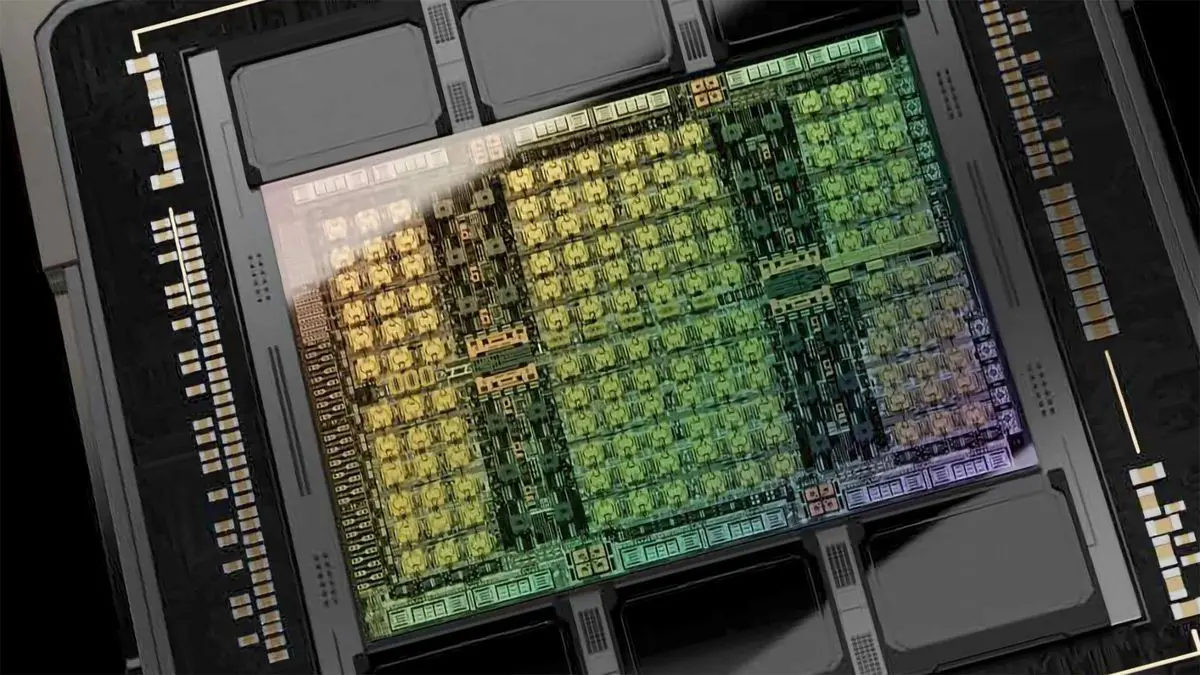
Source: Tom's Hardware
The H20 GPU, while less powerful than Nvidia's top-tier chips, significantly outperforms current Chinese-made alternatives. Moolenaar argues that this disparity could provide a substantial boost to China's AI development capabilities
3
. He cites examples of potential misuse, including Tencent's reported use of H20s to train its Hunyuan-Large model, which likely required over 200 PFLOPS of computing power - meeting the U.S. government's definition of a supercomputer1
.Production Capabilities and Market Dynamics
The letter highlights the vast difference in production capabilities between U.S. and Chinese companies. While Huawei's partner SMIC is expected to produce only 200,000 Ascend 910B processors in 2025, American companies plan to deploy over 14 million AI processors this year
1
. This disparity raises concerns about China potentially leveraging U.S. technology to capture a significant share of the global AI market.Proposed Policy Changes

Source: Wccftech
Moolenaar recommends a shift in export control strategy. Instead of using fixed U.S. performance metrics, he suggests adopting a dynamic standard that stays just ahead of China's known domestic capabilities
1
. This approach aims to balance competitive interests while preventing China from accessing technologies significantly beyond their current production abilities.Related Stories

Industry Perspectives and Responses
Nvidia and AMD have argued that overly restrictive U.S. policies could push Chinese entities to seek alternatives, potentially harming U.S. companies' market positions
3
. However, Moolenaar counters this by pointing out Nvidia's superior production scale, which makes it unlikely for Chinese alternatives to fully replace U.S. chips in the short term5
.Next Steps
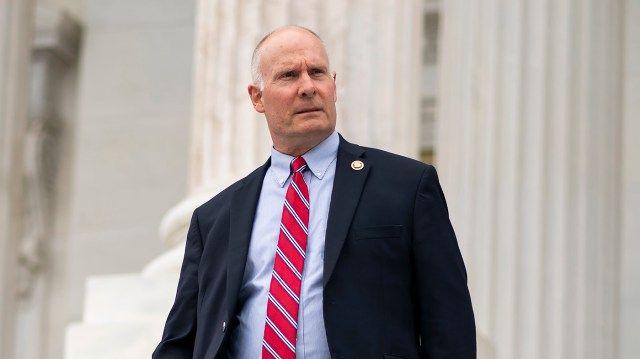
Source: The Hill
Moolenaar has requested a detailed briefing from the Commerce Department by August 8, 2025. He seeks clarity on licensing decisions, projected shipment volumes, risk assessments, enforcement mechanisms, and potential policy updates related to AI technologies and export controls
1
. This development underscores the ongoing challenges in balancing technological advancement, economic interests, and national security concerns in the rapidly evolving field of AI.References
Summarized by

Navi
[1]
[3]
Related Stories
Senators Push SAFE Chips Act to Block Advanced AI Chips Sales to China for 30 Months
05 Dec 2025•Policy and Regulation
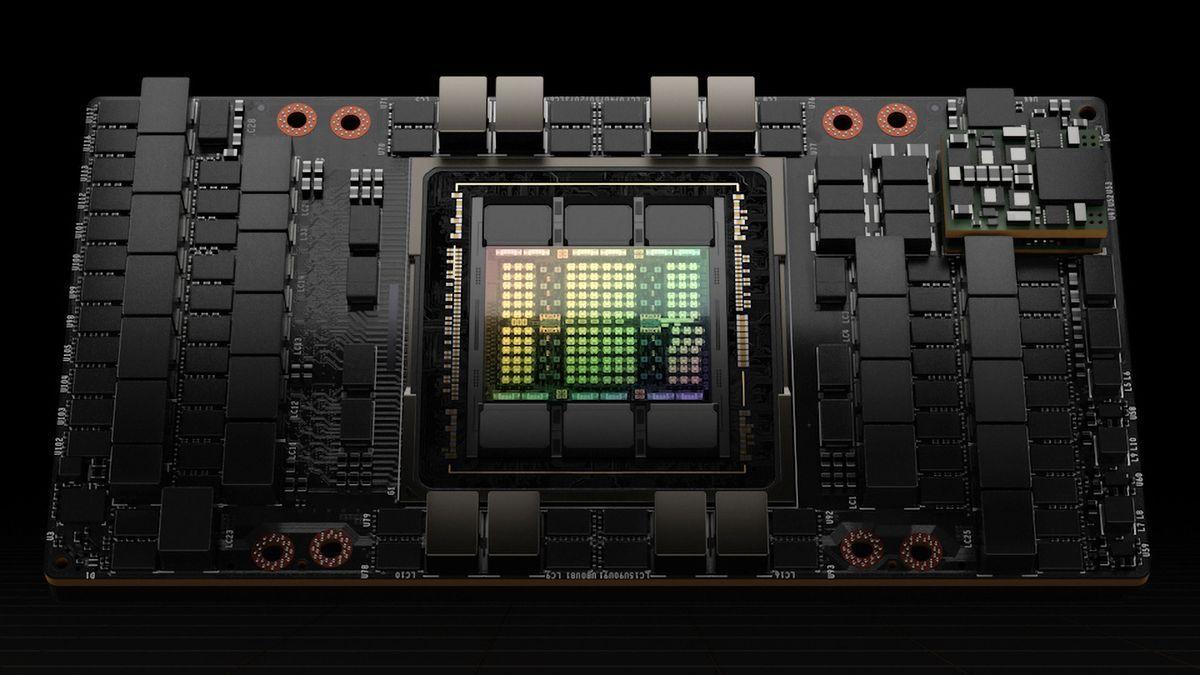
Trump Administration's Reversal on China Chip Ban Sparks Bipartisan Backlash
29 Jul 2025•Policy and Regulation
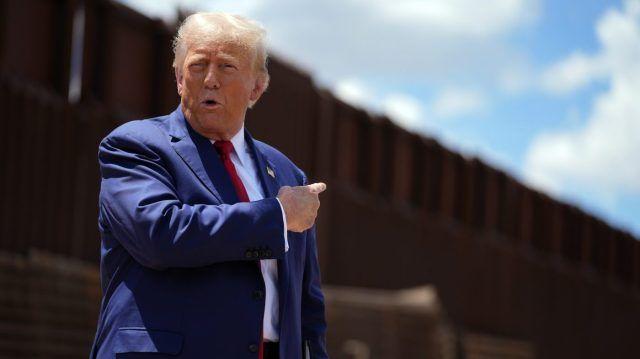
Congress advances AI Overwatch Act, seeking veto power over Trump's AI chip exports to China
21 Jan 2026•Policy and Regulation
Recent Highlights



Recent Highlights
Today's Top Stories



Don’t drown in AI news. We cut through the noise - filtering, ranking and summarizing the most important AI news, breakthroughs and research daily. Follow topics that matter to you and stay ahead.


