How Nvidia pushed Micron Technology into the AI boom and a $1 trillion market capitalization


3 Sources
[1]
How nudge from Nvidia propelled frugal Micron into AI boom and $1 trillion market cap - The Korea Times
SAN FRANCISCO -- Micron Technology's march toward a $1 trillion valuation is nothing if not dramatic: a year ago it was a little over $100 billion. That surge, though, was not built on its famed frugality, but on a nearly too-late push from Nvidia that pulled the U.S. memory chipmaker into the
[2]
How a nudge from Nvidia propelled frugal Micron into the AI boom and a US$1 trillion market cap
SAN FRANCISCO -- Micron Technology's march toward a US$1 trillion valuation is nothing if not dramatic: a year ago it was a little over $100 billion. That surge, though, was not built on its famed frugality, but on a nearly too-late push from Nvidia that pulled the U.S. memory chipmaker into the
[3]
How a nudge from Nvidia propelled frugal Micron into the AI boom and a $1 trillion market cap
SAN FRANCISCO, June 2 (Reuters) - Micron Technology's march toward a $1 trillion valuation is nothing if not dramatic: a year ago it was a little over $100 billion. That surge, though, was not built on its famed frugality, but on a nearly too-late push from Nvidia that pulled the U.S. memory
Share
Copy Link
Micron Technology's valuation soared from just over $100 billion to $1 trillion in a year, driven by a strategic pivot from commodity memory chips to specialized high-bandwidth memory for AI. The transformation came after Nvidia CEO Jensen Huang urged the Idaho-based chipmaker to rethink its approach, pulling it into long-term, higher-margin deals at the center of the AI boom.
From Frugality to $1 Trillion: Micron Technology's Dramatic Transformation
Micron Technology has achieved a stunning climb to a $1 trillion market capitalization, surging from just over $100 billion a year ago in one of the most dramatic valuations shifts in the semiconductor industry
1
. The memory chipmaker crossed this milestone on Tuesday, joining an elite group of trillion-dollar firms including Samsung Electronics, with SK Hynix reaching the same mark a day later2
. This transformation wasn't built on the Idaho-based company's legendary frugality, but rather on a nearly too-late strategic pivot prompted by Nvidia that positioned the U.S.-based memory supplier at the center of the AI boom.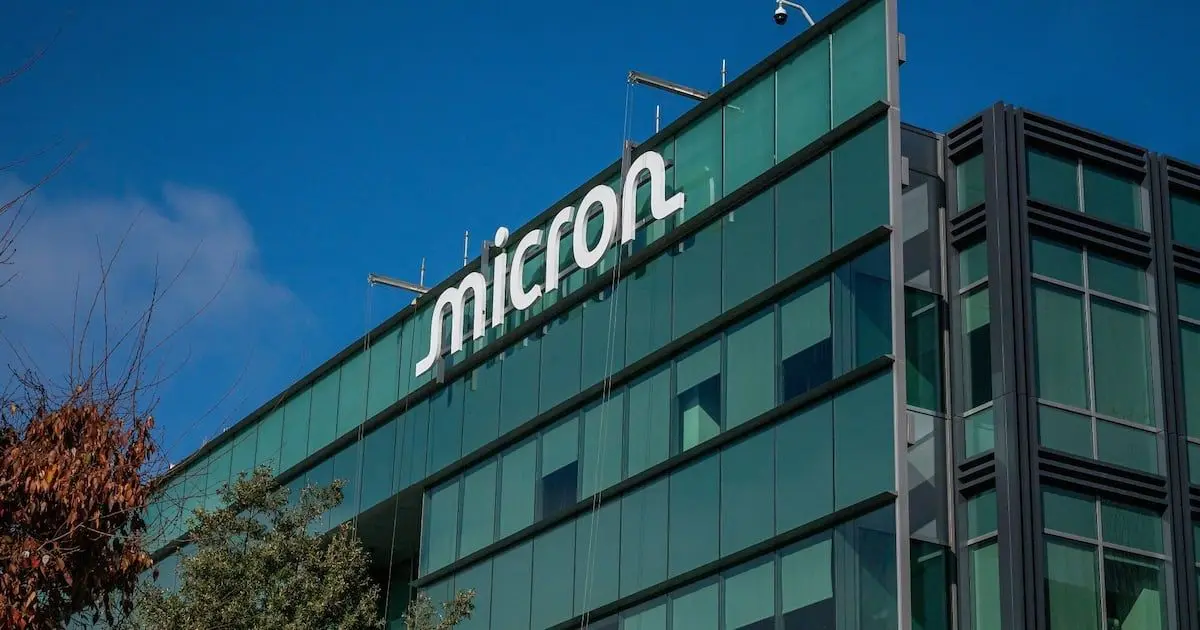
Source: BNN
How Nvidia Reshaped the Memory Market Vision
Three years ago, a pivotal meeting between Nvidia CEO Jensen Huang and Micron boss Sanjay Mehrotra set the stage for this transformation. Huang outlined his vision for how the memory market would evolve, betting early that memory, not just processors, would become a critical bottleneck for AI systems
1
. "I was really grateful that Micron and Nvidia really lined up all of our road map," Huang said in a media interview last month3
. This alignment forced Micron to abandon its decades-old approach of treating commodity memory as interchangeable components and embrace specialized HBM chips tailored to specific processors through co-design partnerships.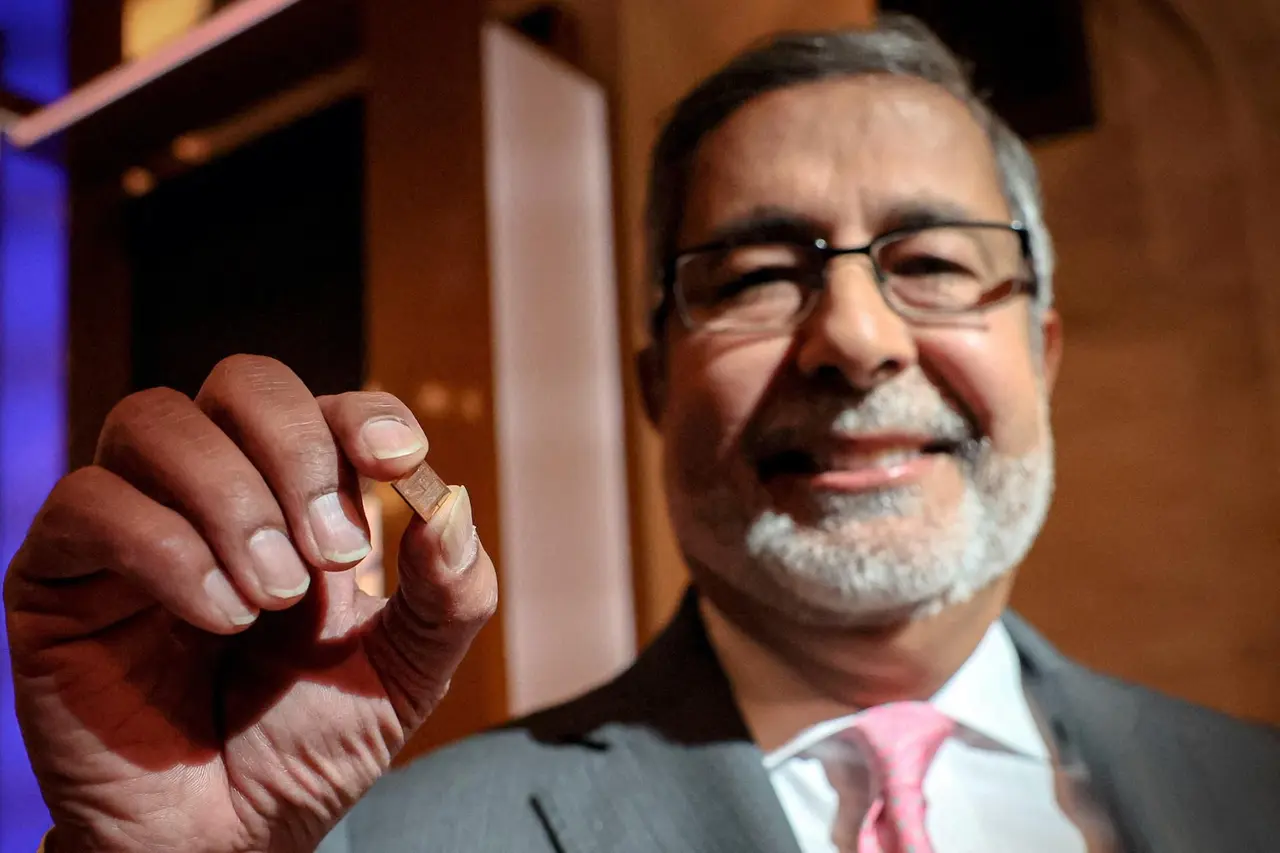
Source: Korea Times
The Shift to High-Bandwidth Memory and Long-Term Deals
As Nvidia and other AI leaders rewired data centers, memory transformed from commodity components into high-bandwidth memory chips specifically engineered for AI workloads. Micron's offerings for Nvidia now differ distinctly from those it sells to Advanced Micro Devices or other customers, with chips tightly integrated into AI systems including Nvidia's upcoming Vera Rubin platform
2
. This shift enabled Micron to secure long-term higher-margin deals that have fundamentally reshaped its business model. In March, the company signed its first five-year supply agreement, a landmark shift for an industry historically driven by short-term pricing swings. While neither company has confirmed details, analysts expect Nvidia to be central to these arrangements.Related Stories

Spectacular Profit Growth and Market Expansion
The financial impact has been extraordinary. Micron posted a $14 billion profit in its latest quarter, a striking turnaround from the $5.8 billion loss it reported as recently as 2023 when the memory cycle turned and demand collapsed
3
. The company's stock has surged roughly ten-fold over the past year, reflecting growing investor confidence in its earnings trajectory2
. Micron expects the HBM market it serves to grow to approximately $100 billion by 2028, signaling sustained demand ahead. "They are seeing long-term customer demand, with real commitment," said Ben Bajarin of Creative Strategies. "That is the key driver getting them to spend money."Balancing Speed with Discipline in a Cyclical Industry
For decades, Micron survived brutal boom-bust cycles by building factories on shoestring budgets, adopting used equipment, and avoiding cutting-edge bets—a discipline that helped it outlast rivals and become one of three global suppliers alongside Samsung and SK Hynix
1
. That frugality initially made the company wary of betting early on high-bandwidth memory, even as South Korean rivals pushed ahead2
. Under Mehrotra, Micron has now focused on shortening development cycles and quickly fixing production issues, critical capabilities where missing technical specifications can cost lucrative supply agreements. Micron's position as the only major U.S.-based memory supplier adds strategic value as customers diversify away from Korea and governments push for domestic supply chains3
. Yet analysts caution that while AI will make the memory market structurally larger, it won't be immune to slowdowns. When that inevitable cycle turns, Micron's longstanding discipline could again differentiate it from competitors. "In the early days, nobody gave Micron a chance," said Dan Hutcheson, vice chair of TechInsights. "They've always had that back-against-the-wall attitude. If they lose that, like Intel lost it, they'll die."References
Summarized by

Navi
[1]
[2]
Related Stories
Micron secures $22 billion in AI memory deals as chipmakers bet on breaking boom-bust cycle
23 Jun 2026•Business and Economy
Micron revenue quadruples to $41.5B as AI boom drives memory chips into severe shortage
24 Jun 2026•Business and Economy
Micron's Stock Soars on Strong AI-Driven Forecast, Fueling Chip Industry Rally
26 Sept 2024

Recent Highlights



Recent Highlights
Today's Top Stories






Don’t drown in AI news. We cut through the noise - filtering, ranking and summarizing the most important AI news, breakthroughs and research daily. Follow topics that matter to you and stay ahead.


