Samsung AI Glasses Set to Launch Fall 2026 with Google's Gemini AI and Galaxy Ecosystem Integration


3 Sources
[1]
Samsung's new AI glasses work with Google's Gemini AI
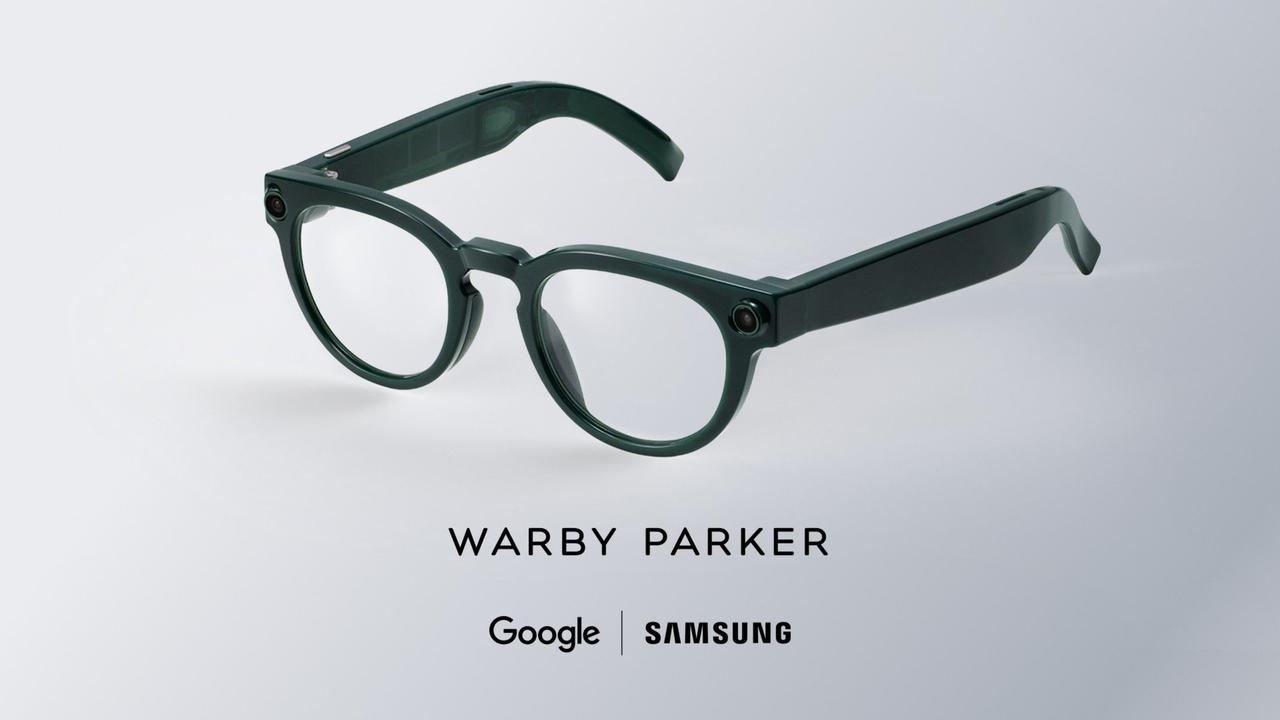
Looks like every tech firm worth their salt's gotta make AI glasses, and Samsung's finally ready to throw its hat in the ring. The company teamed up with Google and two eyewear brands, Gentle Monster and Warby Parker, to develop the Galaxy Glasses. You can take photos using the built-in cameras,
[2]
[Interview] [Galaxy Unpacked July 2026] Intelligent Eyewear: The First Step Toward the Next Mobile AI Interface
On July 22 at Galaxy Unpacked July 2026, Samsung Electronics introduced intelligent eyewear[1] as the first step toward making AI glasses the next interface for mobile AI. Built on decades of expertise in mobile engineering, hardware design and product craftsmanship, intelligent eyewear combines
[3]
New Samsung Galaxy Glasses Stand Out with a Sleek Aesthetic
Samsung, in collaboration with Google, is preparing to launch the highly anticipated Samsung Galaxy Glasses in fall 2026. The devices were officially unveiled recentl.y and Samsung Unpacked, and they will go on sale before the end of the year. These smart glasses are designed to redefine wearable
Share
Copy Link
Samsung officially unveiled Galaxy Glasses at its recent Unpacked event, marking its entry into intelligent eyewear. Developed with Google, Gentle Monster, and Warby Parker, these Samsung AI glasses integrate Gemini AI and run on Snapdragon AR1 Gen 1, offering 9-hour battery life with real-time translation, live sharing, and hands-free productivity features within the Samsung ecosystem.
Samsung Enters AI Eyewear Market with Galaxy Glasses
Samsung has officially entered the intelligent eyewear space with Galaxy Glasses, unveiled at Galaxy Unpacked July 2026
2
. Developed in partnership with Google, Gentle Monster, and Warby Parker, these Samsung AI glasses represent the company's vision for the next mobile AI interface1
. The Galaxy Glasses are scheduled to launch in fall 2026, positioning themselves as direct competitors to Ray-Ban Meta glasses in the rapidly expanding wearable technology market3
.James Choi, Executive Vice President and Head of XR R&D Team at Samsung Electronics, emphasized that "AI glasses will only become mainstream if people genuinely want to wear them every day"
2
. Samsung's approach focuses on creating intelligent eyewear that helps people use their phones less while extracting more value from mobile AI experiences.
Source: Samsung
Google's Gemini AI Powers Advanced Functionality
At the core of Galaxy Glasses lies integration with Google's Gemini AI, powered by Qualcomm's Snapdragon AR1 Gen 1 chip
1
. This combination delivers snappy performance when using wearable cameras and querying AI about what users see through the lenses. The glasses feature built-in cameras, microphones, and speakers integrated into the frame, enabling users to take photos, answer calls, listen to music, and interact with Gemini AI naturally2
.Key mobile AI capabilities include object recognition that identifies and analyzes surroundings in real time, location-based directions, and live sharing during video calls
3
. Users can receive summaries of long incoming messages and share what they're seeing in real life while collaborating remotely1
.
Source: New Atlas
Real-Time Translation and Accessibility Tools Break Language Barriers
Samsung has integrated real-time translation capabilities that enable seamless communication across languages, making Galaxy Glasses valuable for global travelers and multilingual users
3
. The intelligent eyewear also prioritizes inclusivity through accessibility tools designed for users with vision impairments, offering descriptive feedback and message summaries3
.These features underscore Samsung's commitment to creating technology that bridges accessibility gaps while delivering practical value in everyday scenarios. While minor delays in translation may occur, the capability positions Galaxy Glasses as tools for breaking down communication barriers in professional and personal settings.
Samsung Ecosystem Connectivity Enhances User Experience
Seamless Samsung ecosystem connectivity differentiates Galaxy Glasses from competitors. When paired with a Galaxy Watch, users can discreetly snap photos using hand gestures, with the watch routing calls directly to the glasses
1
. A Galaxy phone automatically organizes photos captured through the glasses into a dedicated album for easy access1
.Integration extends to productivity tools, including Samsung Notes for capturing meeting content and whiteboard information effortlessly
3
. Compatibility with Google Meet and other popular apps enhances communication capabilities, while quick sharing of photos, videos, and media across connected Samsung devices creates a cohesive experience3
.Engineering Excellence Prioritizes Wearability and Durability
Samsung applied decades of mobile engineering expertise to address wearability challenges, with Choi noting that "when it comes to eyewear, even a tenth of a millimeter matters"
2
. The company filed around 200 patent applications for this category, reflecting long-term investment in intelligent eyewear development2
.The lightweight frame incorporates patented slim hinges, advanced thin-wall molding, and optimized hardware components
2
. Thermal graphite material on the left side prevents heat from the processor from transferring to users' faces2
. Weight is balanced across both sides of the frame to minimize noticeable differences during extended wear.
Source: Geeky Gadgets
Galaxy Glasses underwent rigorous testing beyond standard mobile device requirements, including exposure to high temperatures, humidity, sunscreen, cosmetics, and sweat, plus folding and hinge expansion tests
2
. The glasses function as both regular eyewear and sunglasses, offering versatility without compromising style3
.Related Stories
Battery Life Supports All-Day Use
Galaxy Glasses deliver up to 9 hours of active use on a single charge, even during demanding experiences like Gemini AI queries and video recording
2
. The charging case provides more than seven full recharges, extending multi-day usability2
. In practical scenarios, battery life is expected to range between 5 and 7 hours depending on usage intensity3
.This performance results from hardware and software optimization, balancing extended battery life with the demanding requirements of mobile AI processing and continuous sensor operation.
Privacy Concerns Shadow Launch
Despite technological advances, privacy concerns around wearable cameras remain unaddressed across the industry. Anyone can use these devices to discreetly record video and take pictures without consent, making them popular among pickup artist content creators, perverts, and pranksters
1
. Instagram recently announced it will not allow surreptitiously captured video and content depicting harassment on its platform1
.The innovation this category needs most is not better image recognition or intuitive input modes, but stronger guardrails against misuse of recording capabilities
1
. How Samsung addresses these concerns before launch will significantly impact public reception and responsible adoption of intelligent eyewear.Market Positioning and Future Outlook
Samsung unveiled two frame designs at Unpacked, with additional styles becoming available at launch
1
. Expected pricing ranges between $300-$400, aligning with Meta's latest glasses1
. Voice, touch, and gesture controls provide intuitive interaction options, while compatibility with the Galaxy Watch 9 serves as a companion device for expanded control3
.Samsung's goal is not replacing mobile phones but creating AI glasses that reduce phone dependency while delivering greater value from mobile experiences
2
. As the next mobile AI interface, Galaxy Glasses understand what users see, hear, and experience, enabling more natural, contextual interactions that bring AI closer to moments that matter in daily life. Watch for how Samsung balances innovation with responsibility as fall 2026 approaches.References
Summarized by

Navi
[3]
Related Stories
Samsung's First AI Glasses With Google Gemini Set for November Launch
01 Oct 2026•Technology
Samsung Galaxy Glasses leaked with Gemini AI integration, taking aim at Meta Ray-Ban dominance
27 Apr 2026•Technology
Google and Samsung unveil Android XR smart glasses with Gemini AI, launching this fall
13 May 2026•Technology

Recent Highlights



Recent Highlights
Today's Top Stories






Don’t drown in AI news. We cut through the noise - filtering, ranking and summarizing the most important AI news, breakthroughs and research daily. Follow topics that matter to you and stay ahead.


