Nvidia loses China AI chip dominance to Huawei as export controls reshape global semiconductor race


5 Sources
[1]
Nvidia's AI chip sales in China stall, as local chipmakers like Huawei take the lead
HONG KONG (AP) -- In the race between the U.S. and China to develop artificial intelligence, the battle over hardware and computing power is heating up as Chinese companies like Huawei overtake global industry leaders like Nvidia in their home market. Jensen Huang, the CEO of computer chip giant
[2]
Nvidia's Huang calls black market data centers made of smuggled parts a 'dead end'
Nvidia CEO Jensen Huang told shareholders on Wednesday that if a commercial opportunity conflicts with U.S. national security, the company would prioritize American interests. "National security comes first," Huang said in a session shortly after the company's annual stockholder meeting
[3]
Nvidia CEO Jensen Huang says smuggled data centres are a dead end and national security comes first
Nvidia CEO Jensen Huang told shareholders on Wednesday that if a commercial opportunity conflicts with US national security, the company would prioritise American interests. "National security comes first," Huang said in a session shortly after the company's annual stockholder meeting
[4]
Nvidia's AI Chip Sales in China Stall, as Local Chipmakers Like Huawei Take the Lead
HONG KONG (AP) -- In the race between the U.S. and China to develop artificial intelligence, the battle over hardware and computing power is heating up as Chinese companies like Huawei overtake global industry leaders like Nvidia in their home market. Jensen Huang, the CEO of computer chip giant
[5]

nvidia: Nvidia's AI chip sales in China stall, as local chipmakers like Huawei take the lead
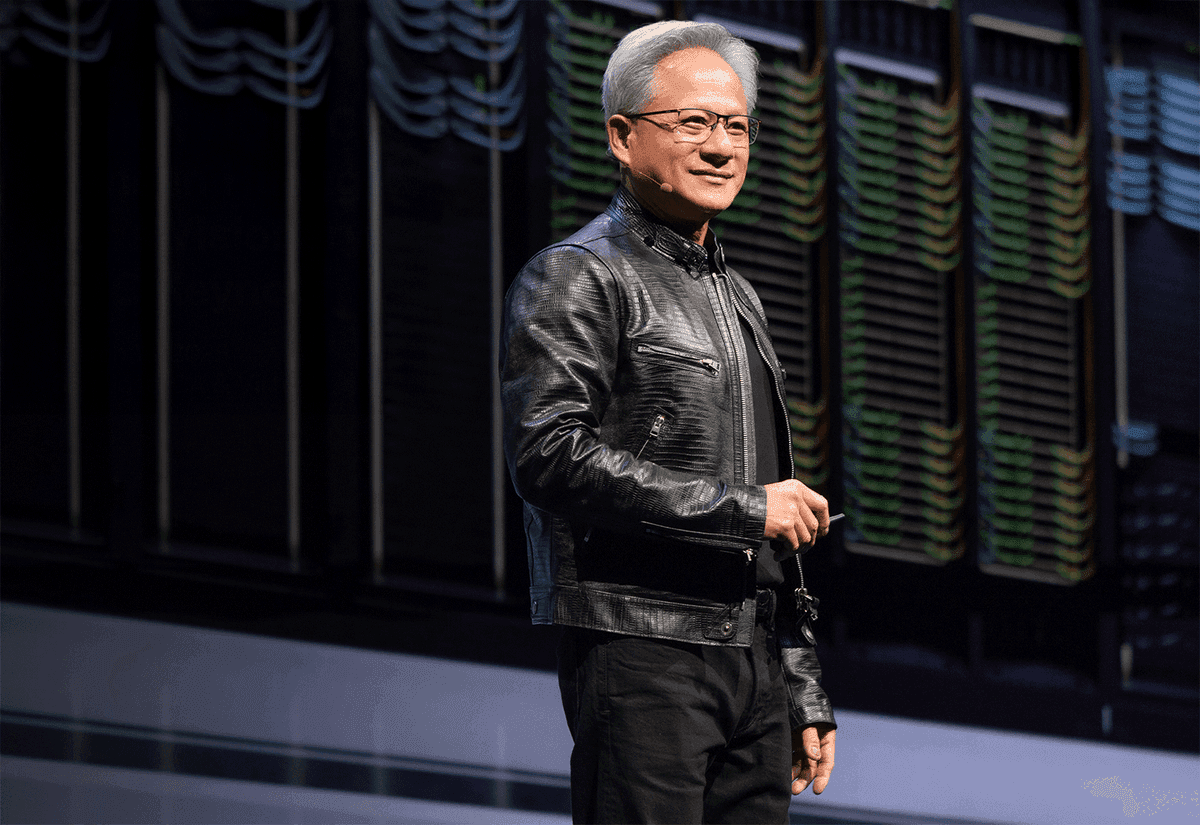
Jensen Huang, the CEO of computer chip giant Nvidia, was mobbed by onlookers as he hit the streets for the "zhajiangmian" noodles while visiting Beijing during U.S. President Donald Trump's May summit with Chinese leader Xi Jinping. But his celebrity status has not translated into success in
Share
Copy Link
Nvidia's market share in China's AI chips market is projected to collapse from 40% to just 8% this year, while Huawei surges to 50% dominance. Despite Jensen Huang's celebrity status during his Beijing visit, U.S. export controls and China's push for semiconductor self-sufficiency have fundamentally altered the competitive landscape, even as smuggling operations reveal persistent demand for Nvidia's technology.
Nvidia's Dramatic Market Share Collapse in China
Nvidia faces a stark reversal in China as its AI chips market share plummets amid intensifying geopolitical tensions and domestic competition. According to a Bernstein report, Nvidia held approximately 40% of China's AI chips market in 2025, roughly matched by Huawei
1
. However, projections indicate Nvidia's market share will shrink to around 8% this year, while Huawei's will likely grow to about 50%1
. This represents a dramatic shift from the 95% market share Nvidia enjoyed before U.S. export controls effectively banned the company from China4
.
Source: ET
Jensen Huang, Nvidia's CEO, acknowledged that the U.S. has lost its edge in China's advanced AI chips market as Chinese competitors have become "giants"
1
. Despite his celebrity reception during a Beijing visit coinciding with President Trump's May summit with Chinese leader Xi Jinping, his star power hasn't translated into commercial success. Controls imposed by Washington on exports of advanced technology due to national security concerns initially stalled sales of Nvidia's advanced H200 AI chips5
. By the time Huang secured a reprieve with Trump agreeing to their sale, Beijing had already pivoted to encouraging domestically designed chips from local rivals led by Huawei.Huawei's Ascent and China's Self-Sufficiency Push
Since the U.S. excluded Huawei in 2019 from buying the world's most powerful computer chips and chipmaking machinery, Chinese semiconductor makers have accelerated efforts toward self-sufficiency, developing their own chips and expertise
1
. Huawei's most advanced commercial AI chips, the Ascend 950 series, are now considered roughly comparable to Nvidia's H200 chip, among the industry's most powerful products4
. "China now believes in its own self-sufficiency and supply capabilities," said He Hui, director of semiconductor research at Omdia1
.Last September, Huawei announced it was rolling out some of the world's most powerful AI computing clusters, combining thousands of chips despite relying entirely on Chinese-made semiconductors due to U.S. export controls
5
. He Tingbo, head of Huawei's semiconductor business, expressed confidence: "We have found pretty good solutions"1
. Antonia Hmaidi from the Mercator Institute for China Studies confirmed that Nvidia "has definitely lost significant ground to Huawei, which now leads domestically"4
.National Security Takes Priority Over Commercial Interests
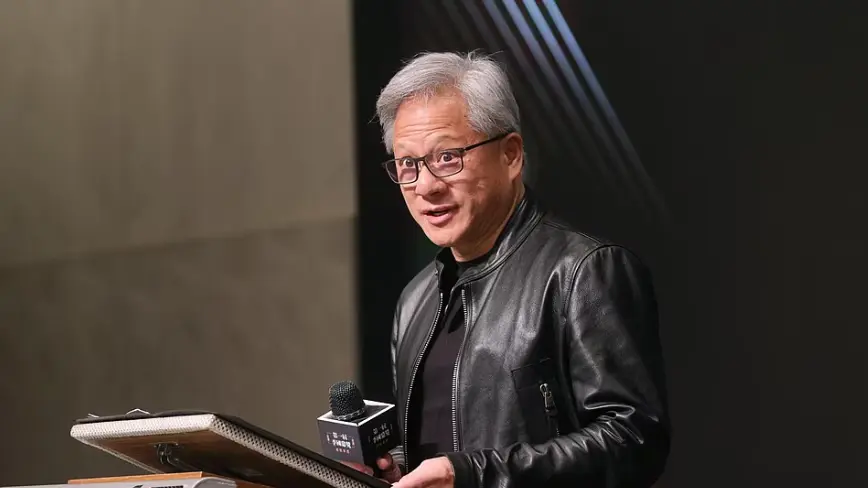
At Nvidia's annual stockholder meeting, Jensen Huang declared that national security comes first when commercial opportunities conflict with American interests
2
. He warned that companies attempting to smuggle Nvidia chips or systems into countries with export restrictions like China would face insurmountable challenges. "Advanced AI data centers are massive integrated systems that require trusted hardware, software, networking, and continuing support," Huang explained, describing attempts to cobble together AI data centers with smuggled products as "a dead end"3
.
Source: The Next Web
The remarks arrive amid escalating enforcement actions. Supermicro co-founder Wally Liaw was charged in March with conspiring to smuggle roughly $2.5 billion in Nvidia-equipped servers to China through a front company in Southeast Asia
3
. Taiwan conducted its first criminal prosecution of AI chip smuggling in May, raiding 12 locations and seeking detention orders for three individuals accused of using forged documents to route Nvidia servers to mainland China3
. The crackdown has driven grey-market prices for Nvidia's B300 servers in China to roughly $1 million, nearly double the U.S. list price3
.Earlier this month, the U.S. government ordered Anthropic to shut down its most advanced models, Fable 5 and Mythos 5, citing national security concerns
2
. These developments underscore Washington's increasingly aggressive posture toward AI hardware and software it considers sensitive.Related Stories
Persistent Demand Reveals Complex Market Dynamics
Despite Huawei's gains, Nvidia remains vital for Chinese AI development. The semiconductor supply chain is global, and no single country can build an advanced AI chip independently
1
. Demand still exceeds available supply in China when it comes to AI chips, according to Rui Ma, founder of Tech Buzz China4
. Several recent cases linked to smuggling Nvidia's AI chips into China demonstrate persistent appetite for its technology despite U.S. export controls5
.Cutting-edge applications in China, such as AI model training for systems like DeepSeek, still rely on smuggled Nvidia chips, analysts say
1
. Chinese universities and major tech companies continue seeking chips like the H200, particularly for research and development4
. Huawei's high-performance chips lag behind Nvidia's most advanced technologies in many areas1
.
Source: AP
Nvidia's global sales continue expanding as AI demand surges. The company expects around $91 billion in revenue for May-July, up from nearly $82 billion in the previous quarter, excluding any data center compute revenue from China
1
. About 9% of Nvidia's fiscal 2026 revenue came from China including Hong Kong, down from 13% the prior year3
. Huang told shareholders the company has not generated any revenue from H200 licenses to China and doesn't know whether Beijing will allow imports3
. This uncertainty highlights how geopolitical tensions continue reshaping the AI hardware landscape, forcing both American and Chinese companies to navigate an increasingly fragmented semiconductor supply chain where commercial interests collide with strategic imperatives.References
Summarized by

Navi
[3]
Related Stories
Nvidia CEO Urges AI Export Rule Revision Amid Global Competition and China's AI Advancements
01 May 2025•Technology
Nvidia loses entire China market as Huawei AI chip sales surge 60% to $12 billion
29 Apr 2026•Business and Economy
Nvidia Set to Resume AI Chip Sales to China Amid Regulatory Shifts
10 Jul 2025•Technology
Recent Highlights



Recent Highlights
Today's Top Stories





Don’t drown in AI news. We cut through the noise - filtering, ranking and summarizing the most important AI news, breakthroughs and research daily. Follow topics that matter to you and stay ahead.


