IBM will triple entry-level hiring in 2026 for jobs 'we're being told AI can do'


12 Sources
[1]
IBM will hire your entry-level talent in the age of AI | TechCrunch
While the artificial intelligence industry touts that AI will replace entry-level jobs, not every company is scaling back hiring these positions. In IBM's case, it's going all in. Hardware giant IBM plans to triple entry-level hiring in the U.S. in 2026, according to reporting from Bloomberg.
[2]
IBM triples entry-level hires for 2026 despite AI adoption, bucking industry trends -- Chief HR officer says that AI can do most entry-level jobs, but work still requires a human touch
IBM is tripling its entry-level hiring in the U.S. in 2026, according to a new report. This stands in stark contrast to many of the country's largest firms, especially in the tech world, which have conducted large-scale layoffs, often for the claimed reasons of AI efficiency savings or pivoting the
[3]
IBM to Triple Entry-Level US Hiring With Roles Recast for AI Era
IBM's decision to expand entry-level hiring comes as questions mount about whether AI will wipe out opportunities for new graduates, with some executives arguing that younger workers are a better investment for companies in the midst of technological upheaval. International Business Machines Corp.
[4]
IBM says it will triple entry-level hiring for roles "we're being told AI can do"
Serving tech enthusiasts for over 25 years. TechSpot means tech analysis and advice you can trust. In brief: Amid multiple depressing reports of AI causing job layoffs and white-collar workers under threat, here's some rare positive news: IBM is tripling the number of entry-level workers it plans
[5]

IBM plans to triple entry-level hiring this year because of AI
Why it matters: The current storyline in corporate America is that AI obliterates the need for both entry-level workers and software engineers. Zoom in: What IBM is doing is "pretty provocative," Nickle LaMoreaux, the company's chief HR officer, said earlier this week at Charter's Leading With AI
[6]

IBM says it will actually start hiring entry-level human workers, rather than relying entirely on AI
* IBM will triple entry-level worker hiring in the US in 2026 * Human workers are still valuable for customer interactions and verifying AI output * Dropbox also expanding internship and graduate programs IBM reportedly plans to triple entry-level worker hiring across the US in 2026, taming
[7]

IBM is tripling the number of Gen Z entry-level jobs after finding the limits of AI adoption | Fortune
The job market has been a sore subject for Gen Z. The unemployment rate among young college grads sits at 5.6%, hovering near its highest level in more than a decade outside the pandemic. Meanwhile, prominent executives -- from Anthropic's Dario Amodei to Ford's Jim Farley -- have warned that
[8]

IBM's CHRO preaches fluent AI jobs blasphemy. Here's why it's critical that business leaders everywhere pay attention to what's she's saying!
So we've all heard the prevailing wisdom, haven't we? AI is coming for all our jobs - (c) doom-mongering AI vendor CEOs everywhere - but some jobs more so than others. In particular, they're coming for the 'drudge' end of the market, those repetitive tasks that oil the wheels at every organization.
[9]

IBM to triple entry-level US hiring, as roles 'reimagined' for AI era
The company has announced that the expansion of roles will be across the board, impacting a wide range of departments. As reported by Bloomberg, International Business Machine Corporation (IBM) has announced plans to triple its entry-level hiring in the US, despite the impact of AI on the
[10]

IBM to triple entry level hiring in the US by 2026
IBM plans to triple entry-level hiring in the United States in 2026, according to Bloomberg reporting. Nickle LaMoreaux, IBM's chief human resource officer, announced the initiative at Charter's Leading with AI Summit on Tuesday. The plan addresses jobs that artificial intelligence is said to
[11]

AI was supposed to replace these jobs -- IBM is now hiring more of them
IBM hiring plan 2026 AI roles: IBM plans to triple entry-level hiring in 2026, redefining roles to complement AI. New hires will focus on customer interaction and AI oversight, not routine tasks. This strategy aims to leverage younger workers' AI proficiency and avoid future talent shortages, as
[12]

IBM to Triple Entry-Level Hiring as AI Rewrites Junior Roles | PYMNTS.com
The expansion will be "across the board," affecting a wide range of departments, though the company declined to disclose specific hiring figures, Bloomberg reported Thursday (Feb. 12). Speaking at a conference in New York, IBM Chief Human Resources Officer Nickle LaMoreaux said the company
Share
Copy Link
IBM is tripling entry-level hiring in the U.S. in 2026, bucking industry trends of AI-driven layoffs. The company is redefining these roles to focus on human judgment and customer interaction rather than tasks AI can automate. This strategy aims to build a talent pipeline for future leadership while leveraging younger workers' AI fluency.
IBM Hiring Surge Challenges AI Job Displacement Narrative
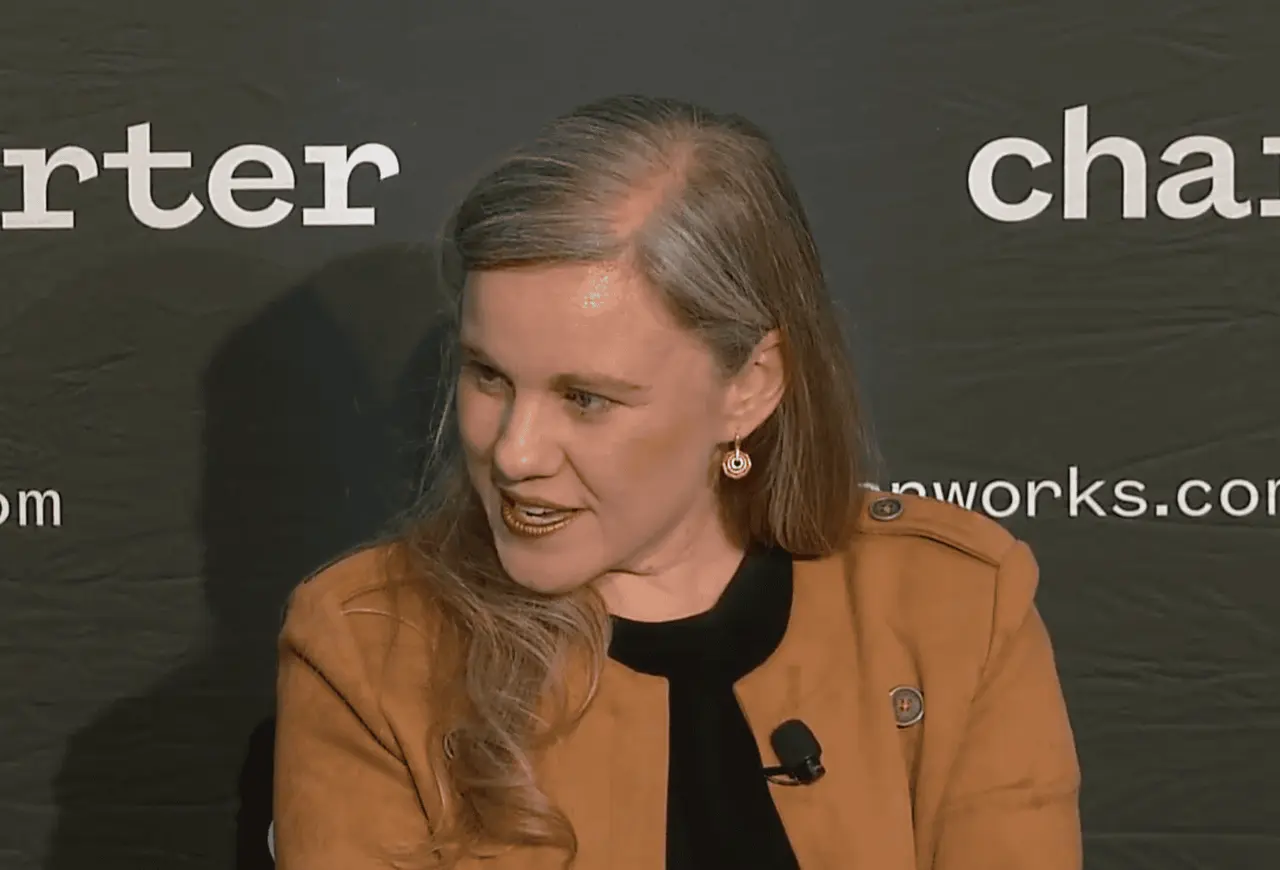
While much of corporate America grapples with AI-driven workforce reductions, IBM is charting a different course. The hardware giant plans to triple entry-level hiring in the U.S. in 2026, a bold move announced by Nickle LaMoreaux, IBM's chief human resources officer, at Charter's Leading With AI Summit
1
3
. "And yes, it's for all these jobs that we're being told AI can do," LaMoreaux stated, directly addressing concerns about automation eliminating opportunities for new graduates2
. The expansion will affect departments across the board, though IBM declined to disclose specific hiring figures3
.
Source: diginomica
Redefining Entry-Level Jobs for the AI Era
IBM isn't simply restoring old hiring practices. The company acknowledges that AI jobs have fundamentally changed what entry-level roles look like. LaMoreaux explained that she overhauled job descriptions to shift focus away from tasks prone to automation, like coding, toward human-centric skills such as engaging with customers
1
. "The entry-level jobs that you had two to three years ago, AI can do most of them," she told attendees at the Charter AI Summit3
. Junior software developers now spend less time on routine coding and more time working with customers to define project requirements2
. In HR departments, entry-level staffers intervene when chatbots fall short, correcting output and talking to managers rather than fielding every question themselves3
. These workers essentially become middle managers, acting as intermediaries between AI systems and higher-level decision makers2
.
Source: ET
Building a Talent Pipeline Against Industry Trends
The strategic reasoning behind IBM's workforce strategy centers on long-term value over short-term cost savings. LaMoreaux argued that slashing early-career recruitment creates a future scarcity of mid-level managers and experienced workers
2
. Without internal development, companies must poach talent from competitors at roughly a 30% premium, and these external hires typically take longer to acclimate to company culture and systems5
3
. IBM CEO Arvind Krishna reinforced this commitment in an October interview with CNN, stating, "I expect we are probably going to hire more people out of college over the next 12 months than we have in the past few years"2
. This represents a notable shift for IBM, which cut about 1% of its 270,000-person workforce in 2025 driven by business demand5
.
Source: PYMNTS
Related Stories

AI's Impact on the Job Market Remains Uncertain
The move comes as anxiety grows about AI and workforce transformation. An MIT study in 2025 estimated that 11.7% of jobs could already be automated by AI
1
. Anthropic CEO Dario Amodei warned that up to half of entry-level jobs may vanish by 2030, while Microsoft's head of AI suggested white-collar jobs could disappear in less than two years2
. A Korn Ferry report found that one-third of companies plan to replace entry-level roles with AI4
. However, some executives view younger workers' AI fluency as a competitive advantage. Melanie Rosenwasser, chief people officer at Dropbox, described their proficiency at the Leading with AI summit: "It's like they're biking in the Tour de France and the rest of us still have training wheels"3
. Dropbox is expanding its internship and graduate training programs by 25% to capitalize on this AI nativism . An EY survey of 240 financial services CEOs found that 60% said AI investment would lead to maintaining or increasing headcount, while 28% expected workforce reductions5
. LaMoreaux believes companies that invest in entry-level talent now will be best positioned for success: "The companies three to five years from now that are going to be the most successful are those companies that doubled down on entry-level hiring in this environment"4
. As 2026 unfolds, IBM's approach offers a test case for whether human judgment and customer interaction tasks remain essential in an increasingly automated workplace.References
Summarized by

Navi
Related Stories
IBM CEO Arvind Krishna Unveils AI Strategy: Integrating Agents, Boosting Investment, and Reshaping Workforce
06 May 2025•Business and Economy

AI transforms entry-level jobs into senior roles as workforce transformation accelerates
17 Jun 2026•Business and Economy

Accenture ramps up entry-level hiring as AI reshapes the workforce, bucking industry trend
21 May 2026•Business and Economy
Recent Highlights



Recent Highlights
Today's Top Stories







Don’t drown in AI news. We cut through the noise - filtering, ranking and summarizing the most important AI news, breakthroughs and research daily. Follow topics that matter to you and stay ahead.


