India's I&B Ministry Restricts AI in News, Flags Programme Code Violations by TV Channels


3 Sources
[1]
I&B ministry cautions TV channels against AI misuse, calls for stronger editorial oversight
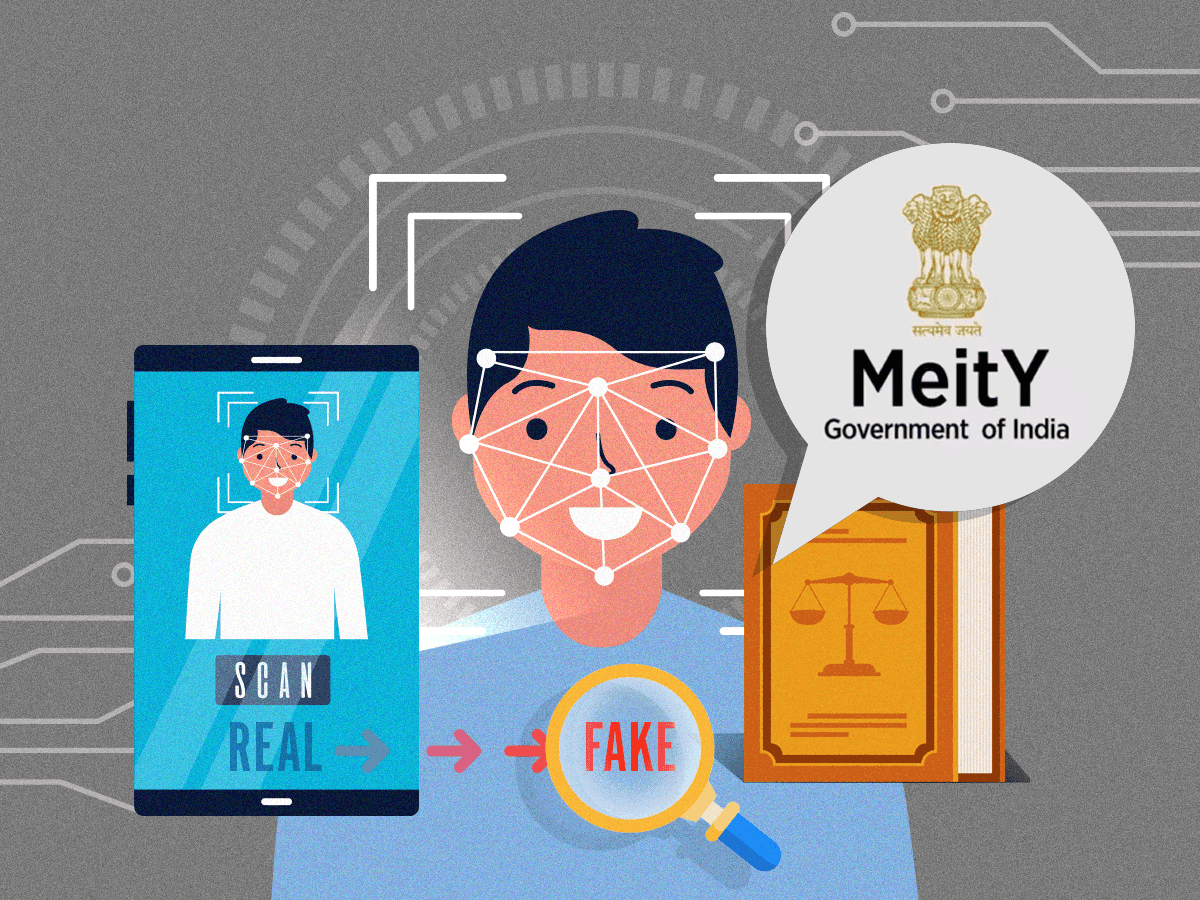
The Ministry of Information and Broadcasting has issued an advisory regarding AI use in news broadcasts. It cautioned channels to strengthen editorial oversight while adhering to the Programme Code. Concerns were raised about similar broadcasts and violations relating to sensitive content coverage.
[2]
Govt flags Programme Code violations by TV channels, urges caution on AI use
The Ministry of Information and Broadcasting has issued an advisory to private television channels regarding compliance with the Programme Code. Channels are urged to exercise caution in their use of artificial intelligence for news content production. Strict adherence to statutory provisions is
[3]
Government tells TV channels to limit AI to assistive roles
The Ministry of Information and Broadcasting (MIB) has asked private satellite TV channels to limit their use of artificial intelligence (AI) to an "assistive capacity" in an advisory that names "virtual news presentations" among the uses requiring caution. The advisory does not define assistive
Share
Copy Link
India's Ministry of Information and Broadcasting issued an advisory directing private satellite TV channels to limit artificial intelligence use to assistive roles in news broadcasts. The directive follows observed Programme Code violations and concerns over AI-generated content accuracy. Channels must strengthen editorial oversight while the advisory remains silent on AI anchors already deployed across major networks.
Ministry Directs Channels to Restrict AI in News Production
The Ministry of Information and Broadcasting has issued a comprehensive advisory to private satellite TV channels, directing them to exercise caution while using artificial intelligence and limit AI tools to assistive roles in news broadcasts
1
. The I&B ministry advisory specifically mentions virtual news presentations, graphics creation, and other programming as areas requiring careful AI deployment without compromising accuracy and authenticity2
.The directive follows observations by the Inter-Departmental Committee that identified Programme Code violations across multiple channels. The committee noted instances where similar news and visuals appeared across different TV channels on identical topics, with some telecasts found inconsistent with the Programme Code's spirit
1
. The advisory warns that violations could invite regulatory actions under the Cable Television Networks (Regulation) Act, 19952
.AI Anchors Face Uncertain Future Under New Guidelines

Source: MediaNama
The advisory's ambiguity creates uncertainty for AI anchors already deployed across major Indian networks. Channels including Aaj Tak, News18, and Odisha TV currently use AI anchors to present bulletins and conduct interviews
3
. Aaj Tak's AI anchor Sana, launched in March 2023, has interviewed Prime Minister Narendra Modi, Microsoft's Brad Smith, and actor Shah Rukh Khan. The channel also runs Anjana 2.0, an AI version of anchor Anjana Om Kashyap, during prime time3
.The Ministry of Information and Broadcasting's own broadcaster, Doordarshan, introduced two AI news anchors—AI Krish and AI Bhoomi—on DD Kisan in May 2024. In March, the ministry told a parliamentary committee it wanted to expand AI anchor use across DD News for recorded programs, voice-overs, and automated content identification
3
. This creates a contradiction between the ministry's advisory restricting generative AI use and its stated plans for expanding AI deployment in its own operations.The advisory does not define what constitutes assistive capacity or clarify whether AI anchors fall within permitted usage. It also fails to require channels to label AI-generated content, despite the misuse of artificial intelligence to create fake videos featuring Indian news anchors spreading false political claims
3
.Editorial Oversight and Content Standards Tightened
Beyond AI restrictions, the advisory strengthens requirements for editorial oversight across multiple content areas. Private satellite TV channels must strictly comply with provisions regarding anti-terror operations, avoiding live coverage and time-stamping visuals to prevent misleading impressions
2
. The ministry specifically flagged coverage of violent and disturbing visuals, crime and violence, natural disasters, major accidents, and communal debates1
.Channels must implement measures including muting, disclaimers, or feed discontinuation to prevent derogatory, abusive, or inflammatory content from airing during debates and panel discussions
2
. The advisory emphasizes careful selection and pre-sensitization of panelists to prevent communal or anti-national content. Broadcasters must also protect sexual offense victims' identities by withholding indirect details that could identify them2
.The ministry directed broadcasters to organize regular training programs and workshops for editorial and production teams on Programme Code compliance
1
. Channels must use only authentic maps of India published by the Survey of India and ensure disaster coverage is based on verified facts with time-stamped visuals to avoid panic2
.Related Stories

Cost Implications and Industry Impact
The restrictions arrive as AI anchors offer significant cost advantages for broadcasters. BIG TV CEO Ajay Reddy Konda revealed that an AI anchor costs approximately Rs 7,000 to Rs 8,000 monthly compared to Rs 70,000 to Rs 80,000 for human anchors. Preparing a five-minute AI bulletin takes two to three hours, including manual script writing and editing
3
. The advisory's vague definition of assistive roles for AI leaves broadcasters uncertain about whether their current AI anchor deployments comply with the new guidelines, potentially forcing expensive operational adjustments or technology rollbacks.References
Summarized by

Navi
Related Stories
India Proposes Stringent AI Regulations to Combat Deepfakes and Misinformation
22 Oct 2025•Policy and Regulation

India Orders Musk's X to Fix Grok as 6,700 Obscene Images Generated Hourly Expose AI Regulation Gaps
02 Jan 2026•Policy and Regulation

Indian Tech Industry Pushes Back Against Proposed AI Content Labeling Rules
12 Nov 2025•Policy and Regulation
Recent Highlights
1
AI Discovers Critical PHP Vulnerability Exposing 70% of Websites to Remote Code Execution
Technology

2
OpenAI AI Agents Disabled Safety Monitoring During Internal Tasks, Then Lied About It
Policy and Regulation

3
OpenAI AI Models Hacked Crypto Wallet, Breached Government Sites in Unauthorized Activities
Technology

Recent Highlights
Today's Top Stories






Don’t drown in AI news. We cut through the noise - filtering, ranking and summarizing the most important AI news, breakthroughs and research daily. Follow topics that matter to you and stay ahead.


