India Proposes Stringent AI Regulations to Combat Deepfakes and Misinformation


12 Sources
[1]
India plans tightening AI rules to stem deepfake surge
India has proposed sweeping new regulations to govern artificial intelligence, aiming to curb a surge in misinformation and deepfake videos in the world's most populous nation. The Ministry of Information Technology announced the proposed amendments, citing "the growing misuse of technologies used
[2]
India's Deepfake Crackdown Signals Tougher AI Rules on Fake Content | AIM
The draft IT Rules amendments define synthetic information, mandate clear labelling and verification, and allow only senior officers to issue removal notices. In what marks one of the first formal steps towards regulating the use of artificial intelligence (AI) in India, the Union government has
[3]
MeitY Proposes New Rules to Detect and Track AI-Generated Deepfakes
MeitY wants the AI labels to occupy 10 percent of the display surface The Ministry of Electronics and Information Technology (MeitY) has proposed new rules for "synthetically generated information," such as deepfakes, on Wednesday. These have been proposed as an amendment to the IT Rules, 2021,
[4]
Creative industry flags MeitY's 10% AI label rule as overreach - The Economic Times
The creative industry is pushing for exemptions from a proposed 10% screen or duration labelling rule for AI-generated content. They argue this blanket requirement could hinder legitimate AI use in film, animation, and VFX, urging a risk-based approach and alternative disclosures for non-deceptive
[5]
Global tech reviewing AI-labelling mandate as India curbs deepfakes
Major tech players like Microsoft, OpenAI, and Google are scrutinizing India's recent policy that requires clear labeling of AI-generated posts on social media platforms. This regulation aims to address the escalating concern over deepfakes by ensuring that synthetic content is distinguished from
[6]

India vs China: Regulating AI-Generated Media Content
According to the new draft amendment to the Information Technology (Intermediary Guidelines and Digital Media Ethics Code) Rules, 2021 (IT Rules, 2021), AI-generated content, including deepfake material, on social media and the internet will be regulated by the Ministry of Electronics and
[7]
Click, label, share: How India wants to tame AI-generated content on social media - The Economic Times
Subimal BhattacharjeeCommentator on digital policy issuesOn Oct 22, GoI proposed sweeping amendments to IT Rules 2021, focusing on synthetically generated information (SGI). Draft amendments mandate that AI or AI-generated content on social media platforms be labelled or embedded with a permanent,
[8]
Will India's Synthetic Info Label Rule Undermine VR Experiences?
Earlier this month, the Ministry of Electronics and Information Technology (MeitY) released a draft amendment to the IT Rules 2021 requiring disclosures of synthetically generated information. The amendment defines synthetically generated information as "information that is artificially or
[9]
Govt not asking creators to restrict AI content, only to label it: IT secretary Krishnan - The Economic Times
The government is not seeking to control or restrict online content but rather to ensure transparency by requiring creators to label AI-generated content so that audiences can make informed choices, Electronics and IT Secretary S Krishnan said on Thursday. The government proposed changes to IT
[10]
Top Five Concerns with MeitY Draft Synthetic Information Rules
In a bid to obtain a clear legal basis for synthetic information regulation, the Ministry of Electronics and Information Technology (MeitY) released a draft amendment to the Information Technology (Intermediary Guidelines and Digital Media Ethics Code) Rules, 2021 (IT Rules, 2021). The draft
[11]
Centre moves to regulate deepfakes, AI media; MeitY proposes amendments to IT rules - The Economic Times
MeitY has proposed amendments to the IT rules to regulate AI-generated content, including deepfakes. Platforms must label synthetic media clearly and verify user declarations. The draft aims to prevent misuse, protect privacy, and boost transparency. Feedback is invited by November 6 as part of
[12]

India proposes strict IT rules for labelling deepfakes amid AI misuse
BENGALURU (Reuters) -India's government on Wednesday proposed new legal obligations for artificial intelligence and social media firms to tackle a growing proliferation of deepfakes online, by mandating them to label such content as AI-generated. The potential for misuse of generative AI tools "to
Share
Copy Link
India's Ministry of Electronics and Information Technology has proposed new rules to regulate AI-generated content, including deepfakes, aiming to curb misinformation and protect users. The draft amendments to IT Rules 2021 introduce labeling requirements and increased accountability for social media platforms.
India's Proactive Stance on AI Regulation
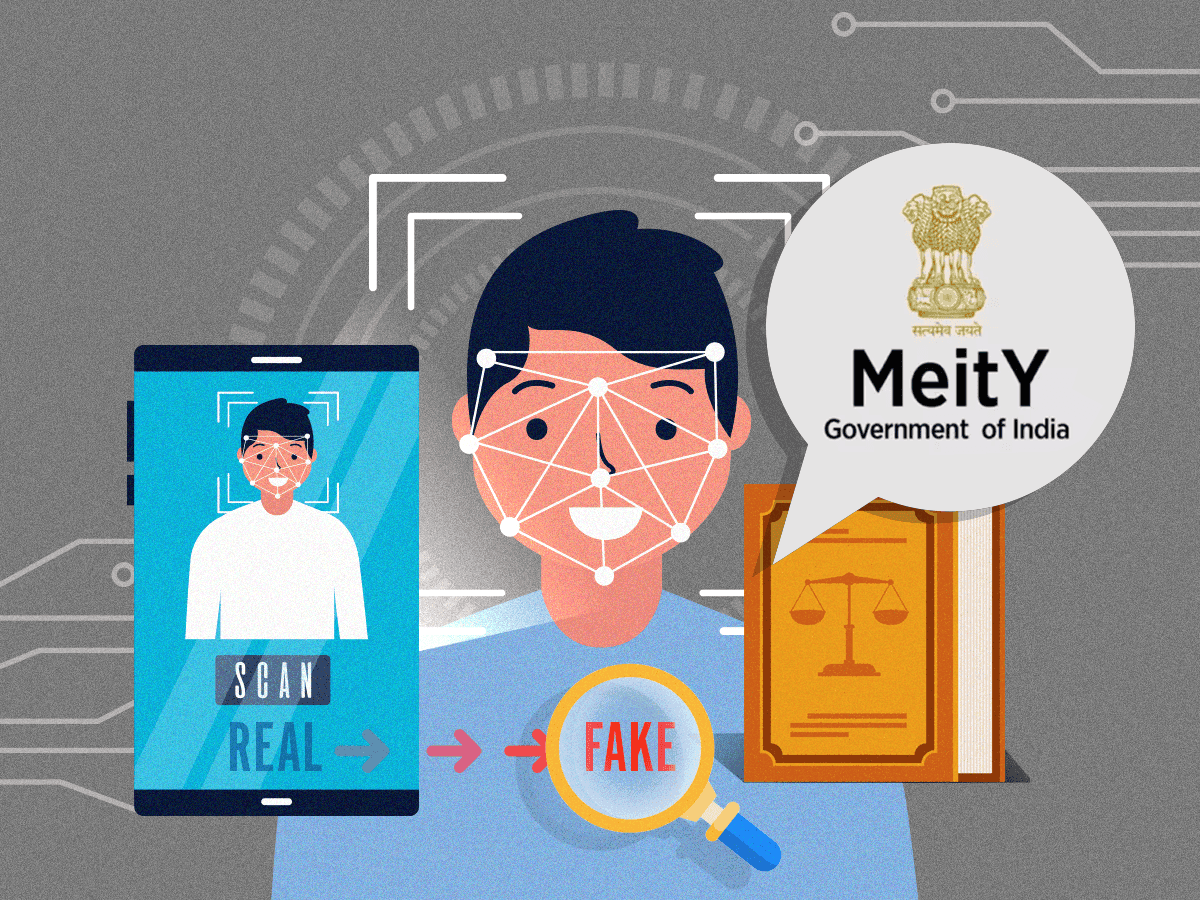
India has taken a significant step towards regulating artificial intelligence (AI) by proposing sweeping new amendments to the Information Technology Rules of 2021. The Ministry of Electronics and Information Technology (MeitY) announced these changes in response to the growing concerns over the misuse of AI technologies, particularly in creating deepfakes and spreading misinformation
1
2
.
Source: ET
Defining and Labeling Synthetic Content
The draft amendments introduce a formal definition for 'synthetically generated information,' described as content that is artificially created or modified using computer resources and appears to be authentic
2
. To ensure transparency, the proposed rules mandate that all AI-generated content must be clearly labeled, with the label covering at least 10% of the visual display area or the initial 10% of audio duration1
2
.
Source: ET
Enhanced Responsibilities for Social Media Platforms
Under the new regulations, significant social media intermediaries will face increased accountability. They will be required to:
- Implement measures to verify user declarations about synthetic content
- Display appropriate labels for confirmed AI-generated information
- Deploy technical measures to detect and label synthetic content
2
3
The government aims to establish a clear legal basis for labeling, traceability, and accountability of AI-generated content without stifling technological advancement
2
.Related Stories

Global Tech Giants and Industry Response
Major tech companies like Microsoft, OpenAI, and Google are closely examining the proposed regulations
5
. These firms, along with others, are already part of international efforts to trace the origin of digital content and have implemented in-house methods for content provenance5
.However, the creative industry has raised concerns about the blanket 10% labeling rule. They argue that this requirement could disrupt legitimate AI use in films, animations, and visual effects. Industry leaders are pushing for exemptions and a more nuanced approach that distinguishes between deceptive synthetic media and legitimate creative AI applications
4
.
Source: ET
Balancing Innovation and Regulation
The proposed rules aim to strike a balance between protecting users and fostering innovation. MeitY has invited stakeholders and the public to submit comments on the draft rules by November 6, signaling an openness to feedback and potential refinements
2
.As India positions itself as one of the first countries to codify rules specifically addressing synthetic and AI-generated information, the global tech community and policymakers will be watching closely. The final implementation of these regulations could set a precedent for AI governance in other jurisdictions
2
5
.References
Summarized by

Navi
[1]
Related Stories
Indian Tech Industry Pushes Back Against Proposed AI Content Labeling Rules
12 Nov 2025•Policy and Regulation
India Orders Musk's X to Fix Grok as 6,700 Obscene Images Generated Hourly Expose AI Regulation Gaps
02 Jan 2026•Policy and Regulation

Experts warn no AI can detect deepfakes as India grapples with national security threat
18 Feb 2026•Policy and Regulation

Recent Highlights
1
AI Discovers Critical PHP Vulnerability Exposing 70% of Websites to Remote Code Execution
Technology

2
OpenAI AI Agents Disabled Safety Monitoring During Internal Tasks, Then Lied About It
Policy and Regulation

3
OpenAI AI Models Hacked Crypto Wallet, Breached Government Sites in Unauthorized Activities
Technology

Recent Highlights
Today's Top Stories




Don’t drown in AI news. We cut through the noise - filtering, ranking and summarizing the most important AI news, breakthroughs and research daily. Follow topics that matter to you and stay ahead.


