Indonesia's copyright law overhaul puts Google and major AI platforms on notice


2 Sources
[1]
EXCLUSIVE: Indonesia's copyright rewrite puts Google, AI platforms on notice
JAKARTA, July 17 (Reuters) - Indonesia is preparing sweeping changes to its copyright law, including granting copyright privileges to people who use artificial intelligence to help them generate content, a draft bill reviewed by Reuters showed, setting up a potential showdown between the government
[2]
Indonesia's copyright rewrite puts Google, AI platforms on notice
Indonesia has proposed sweeping changes to its copyright law to recognise AI-assisted works with human involvement, while excluding fully AI-generated content. The draft also mandates AI disclosures and requires tech platforms to compensate publishers for using news content in AI
Share
Copy Link
Indonesia is preparing sweeping changes to its copyright law that would grant copyright privileges to AI-assisted works while excluding fully AI-generated content. The draft bill mandates that tech platforms like Google compensate news publishers for using their content in AI training, potentially making Indonesia the first Southeast Asian nation to explicitly regulate AI in copyright law.
Indonesia Proposes First AI-Specific Copyright Law in Southeast Asia
Indonesia is preparing sweeping changes to copyright law that could reshape how AI platforms operate in Southeast Asia's largest economy. The draft bill, reviewed by Reuters, would make Indonesia the first country in the region to explicitly incorporate AI into its copyright framework. Hermansyah Siregar, an Indonesian law ministry official overseeing intellectual property, confirmed the draft bill's authenticity and emphasized its necessity: "The development of generative AI has disrupted the copyright framework. If unregulated, it could kill human creation".
The parliamentary initiative, now with the government for input, arrives as nations worldwide grapple with how to regulate AI's impact on creative industries and intellectual property rights. While the timeline for passage remains unclear, the bill signals Indonesia's determination to establish clear rules for AI platforms operating within its borders
2
.Tech Platforms on Notice: Compensation Requirements for AI Training Data
The Indonesia copyright law introduces stringent requirements that put tech platforms on notice. Under the draft bill, companies must compensate news publishers for aggregating, republishing, or link-previewing news content, as well as using it for AI training data purposes. Compensation would flow through state-supervised collective management organizations before reaching publishers.

Source: ET
Google has already criticized the proposed overhaul, stating last month that "rigid, overbroad mandates would harm local creators, slow innovation, and leave Indonesia as an international outlier, ultimately discouraging the investment needed to drive its digital future". The company faces potential sanctions, including revocation of local business permits, if it fails to comply. Meta and TikTok, whose platforms enjoy popularity among Indonesians, have not yet commented on the proposals
2
.Defining AI-Generated Content: Human Involvement as the Dividing Line
The draft bill creates a clear distinction in how AI-generated content receives copyright protection. AI-assisted works would qualify for copyright privileges only if they meet human involvement criteria, while fully AI-generated content would be excluded from protection
2
. However, the draft does not specify how much human involvement is necessary to qualify for protection, leaving a critical detail for future clarification.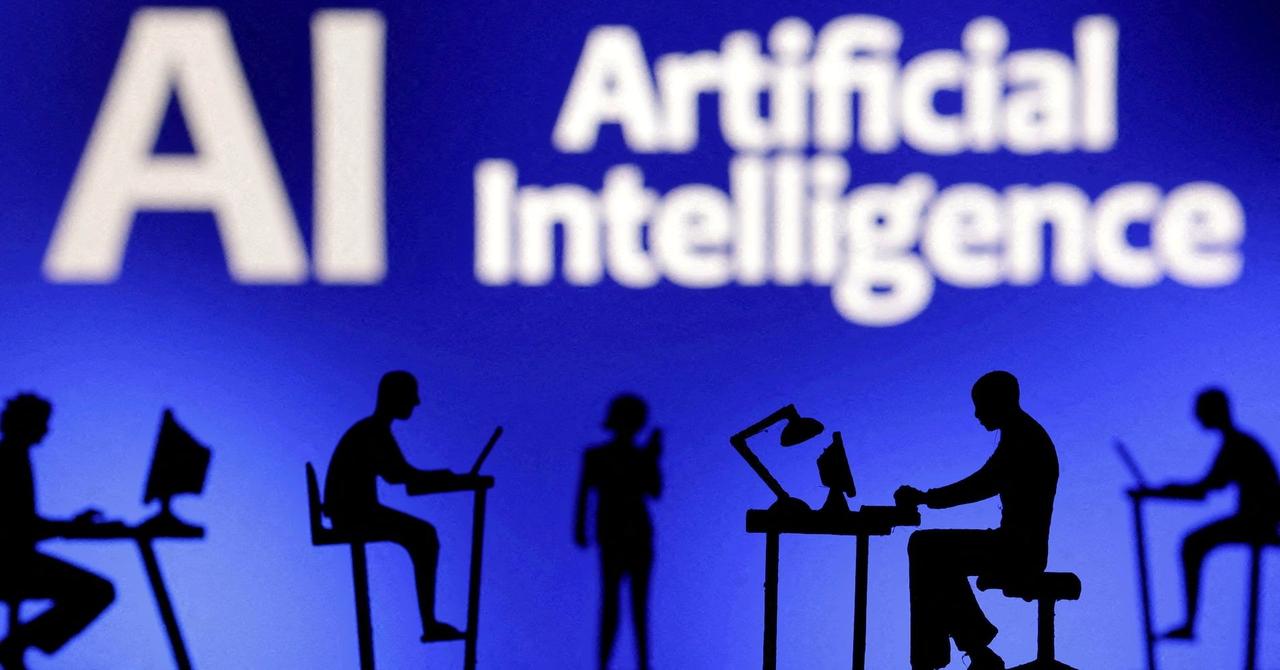
Source: Reuters
The bill also bans using AI to imitate a creator's "distinctive style" and mandates disclosure on AI use in content. These rules would apply across multiple content types, including video games, photography, computer programs, journalism, and films. The use of copyrighted works to train AI models would be subject to fair-use provisions or licensing agreements, addressing a contentious issue that has sparked litigation globally.
Related Stories

Global AI Governance Context and Industry Concerns
Indonesia's proposals arrive amid broader efforts toward global AI governance. The country recently joined 29 nations in signing a Shanghai agreement to establish an intergovernmental body promoting AI cooperation. China's President Xi Jinping outlined a vision for sharing open-source AI technology with developing nations while emphasizing human oversight and control.
Ari Juliano Gema, an IP and entertainment lawyer, warned that Indonesia's bill might trigger concern among tech companies as it appears to conflate commercial use of AI with research applications
2
. Siregar acknowledged AI regulation as a global issue, citing the New York Times lawsuit against tech companies for alleged misuse of copyrighted material in training AI systems.Indonesia's AI disclosure requirements mirror transparency rules emerging elsewhere. The EU AI Act requires companies to label AI-generated deepfakes, though it includes exemptions for artistic works. While AI is not explicitly mentioned in U.S. or Singapore copyright statutes, their copyright offices have stated that protection requires human contribution
2
. Siregar noted the draft remains open to further input, suggesting room for negotiation as stakeholders weigh in on the proposals.References
Summarized by

Navi
Related Stories
Australia Rejects Copyright Exemption for AI Training, Prioritizing Creative Industries
26 Oct 2025•Policy and Regulation
U.S. Copyright Office Report Challenges AI Companies' Fair Use Claims for Training Data
13 May 2025•Policy and Regulation

Hollywood and Bollywood Unite to Protect Content from AI in India
08 Oct 2025•Policy and Regulation
Recent Highlights



Recent Highlights
Today's Top Stories






Don’t drown in AI news. We cut through the noise - filtering, ranking and summarizing the most important AI news, breakthroughs and research daily. Follow topics that matter to you and stay ahead.


