InnAIO AI Translator introduces disc-based design but struggles with confusing UI and costs


2 Sources
[1]
This Unique Translator Gets Bogged Down by Half-Baked Features
App UI is confusing, with some features less useful than others. Subscription required after just six months. The real-time translation industry has largely settled on two form factors for translation hardware: handheld devices that work like single-purpose cell phones for audio and text-based
[2]
I was hoping for Babel Fish realtime audio translation, and while the InnAIO AI Translator T9 is impressive, it's not there yet
Why you can trust TechRadar We spend hours testing every product or service we review, so you can be sure you're buying the best. Find out more about how we test. I've tested a few of these translation devices in the last year, and in that short time, it's incredible just how far they've
Share
Copy Link
InnAIO's T9 and T10 AI translation devices bring a fresh disc-shaped form factor with MagSafe compatibility and voice cloning capabilities. But confusing user interfaces, delayed offline modes, and subscription requirements after limited free periods challenge their value against free alternatives like Google Translate.
InnAIO AI Translator Brings Novel Disc Design to Translation Market
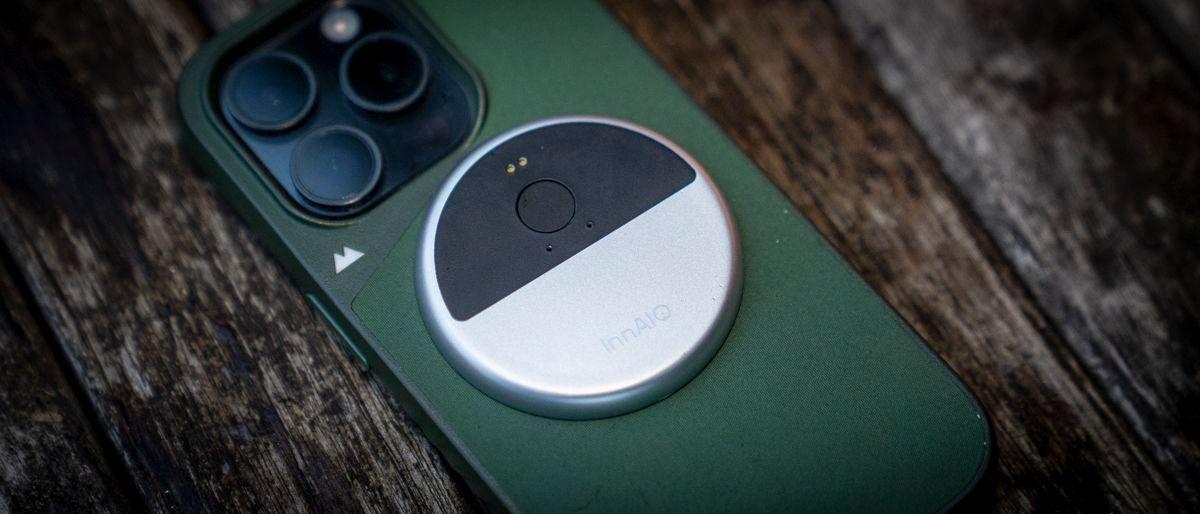
The InnAIO AI Translator marks a departure from conventional translation hardware with its miniature Bluetooth-connected disc device that clips magnetically onto smartphones
1
. Available in two models—the T10 and T9—this AI translation device measures approximately 2 inches in diameter and just over 5 mm thick, weighing a mere 23 grams2
. The MagSafe-compatible AI translation device attaches directly to iPhones, while Android users receive an adhesive magnetic ring for compatibility1
. Unlike handheld translators or earbud-based systems, this approach positions the device as a stand-alone conduit between users and their phones, though the concept feels still under development according to early reviews1
.
Source: TechRadar
GPT-4.1-Trained Language Model Powers 150 Languages
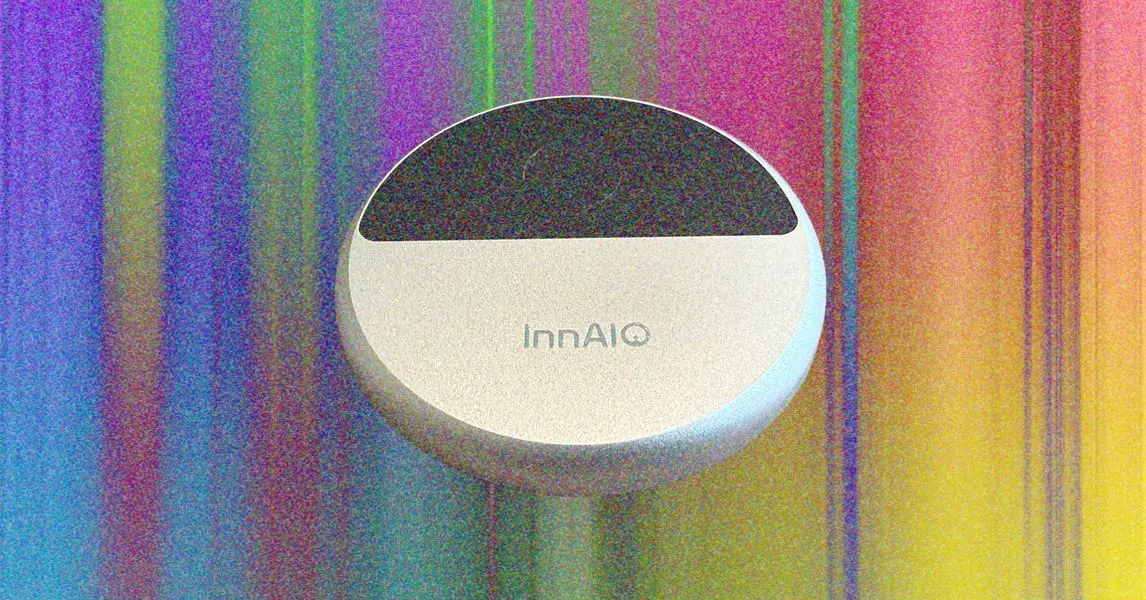
The InnAIO T10 AI Translator contains an onboard processor running a GPT-4.1-trained language model that supports over 150 languages, though many represent regional variants of common languages like Spanish and English
1
. The hardware itself is remarkably simple, featuring just one button for power and microphone activation during in-person translations1
. Despite being self-contained, the device requires an internet connection through Bluetooth pairing with a smartphone app to handle most processing tasks1
. Notably, while the system advertises an offline mode, this functionality won't activate until December, leaving users dependent on active internet connections for now1
.
Source: Wired
Voice Cloning Feature Distinguishes Real-Time Translation Experience
What sets the InnAIO AI Translator T9 apart is its voice cloning feature, which allows the device to speak translations in the user's own voice
2
. Users record several paragraphs to enable the cloning process, after which the device delivers realtime audio translation that sounds remarkably personal2
. The system even supports multiple voice profiles with different timbres—one for business contexts and another for casual conversations with friends2
. This voice cloning capability, while not available across all languages, offers good coverage and represents a significant advancement in ease of use compared to translation devices from just a year ago2
.Related Stories

Half-Baked Features and Confusing User Interface Create Friction
Despite innovative hardware, the user interface (UI) presents notable challenges. The aesthetically designed InnAIO-T9 app takes time to navigate, with many advanced features not immediately apparent
2
. The AI Translation button at the top of the screen initially appears as just a title rather than an interactive element, leading to confusion2
. Once accessed, users find six different translation modes, including face-to-face and realtime translation options that blend audio translation with text-based approaches2
. While the app UI is confusing, with some features less useful than others, extensive tutorials help users eventually master the system1
2
.Subscription Model for Translation Raises Value Questions
Pricing presents a significant consideration for potential buyers. The InnAIO AI Translator T9 costs $179 through the official website and includes most features fully activated for two years
2
. The T10 model requires a subscription after just six months1
. After the initial period, users face multiple subscription tiers: main AI translation renewal costs ¥143 yearly or ¥228 for two years, offline packages run ¥47 annually, and additional features like time translation and call duration cost extra2
. These ongoing costs become harder to justify when free alternatives like Google Translate already handle translation tasks effectively for most travelers and business users2
. The device must offer substantially more value to compete in a market where operating systems and browsers include capable translation features as standard2
. For business-to-business conversations or frequent international travel, the enhanced speed and personalized voice output may warrant the investment, but casual users will likely find the subscription model difficult to justify against established free options.References
Summarized by

Navi
Related Stories
Timekettle Unveils Babel OS: A Breakthrough in AI-Powered Real-Time Translation
06 Jan 2025•Technology

Timekettle Unveils W4 AI Interpreter Earbuds: Breaking Language Barriers with Advanced Translation Technology
06 Sept 2025•Technology

Apple's New AirPods Pro 3: A Breakthrough in Real-Time Language Translation
19 Sept 2025•Technology

Recent Highlights



Recent Highlights
Today's Top Stories






Don’t drown in AI news. We cut through the noise - filtering, ranking and summarizing the most important AI news, breakthroughs and research daily. Follow topics that matter to you and stay ahead.


