Intel layoffs target Data Center and AI Group despite strong revenue growth and AI boom


2 Sources
[1]
Intel layoffs to hit Data Center group -- division focused on server CPUs, AI chips, and data center architecture to be hit by an unknown number of cuts
Intel just announced another round of layoffs more than a year after CEO Lip-Bu Tan warned of "tough decisions" required to get the company back on track. This decision has resulted in the reduction of its headcount by more than 35,000 since 2024, when ex-CEO Pat Gelsinger revealed that its data
[2]
Intel Launches Fresh Layoffs in Data Center and AI Unit Ahead of Earnings as Lip-Bu Tan Pushes Turnaround
Intel Targets Data Center and AI Workforce The company has not disclosed how many employees will be impacted by the latest job cuts. Intel said the move is part of its broader effort to streamline operations and position the business for long-term growth, rather than a shift in its product
Share
Copy Link
Intel announced fresh job cuts in its Data Center and AI Group, the division responsible for server CPUs and AI chips. The layoffs come despite the unit generating $5.05 billion in Q1 2026 revenue, up 22% year-over-year. CEO Lip-Bu Tan continues his turnaround plan as Intel shares have surged over 317% in the past year.
Intel Layoffs Strike Core AI and Data Center Division
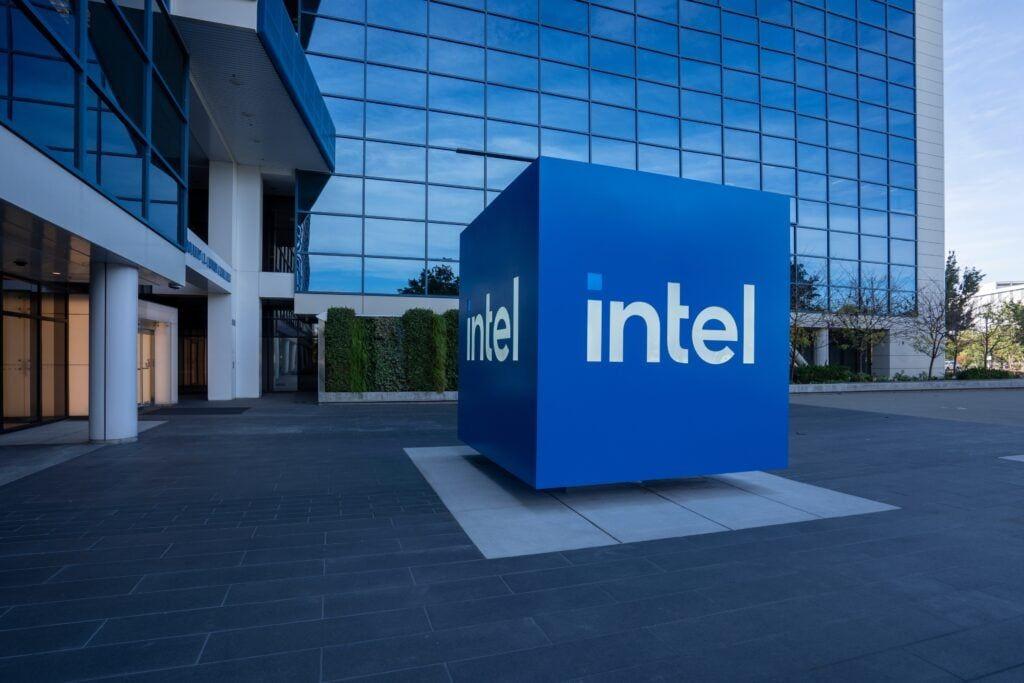
Intel has initiated another round of Intel layoffs targeting its Data Center and AI Group, the division responsible for server CPUs, AI chips, and data center architecture
1
2
. The announcement comes as CEO Lip-Bu Tan accelerates Intel's turnaround plan ahead of the company's second-quarter earnings report scheduled for July 232
. Intel has not disclosed the exact number of positions being eliminated, stating only that the workforce reduction is part of its broader strategy to become a "more focused and efficient company"1
.
Source: Benzinga
The latest cuts add to Intel's aggressive restructuring efforts that have reduced headcount by more than 35,000 since 2024, when former CEO Pat Gelsinger revealed that the data center and foundry divisions had lost $1.6 billion
1
. More than 5,000 U.S.-based employees have already been laid off in 2025, with most reductions occurring in California, Oregon, Arizona, and Texas2
.Strong Revenue Growth Fails to Prevent Job Cuts
The timing of these Intel layoffs appears particularly striking given the Data Center and AI Group's recent performance. The division generated $5.05 billion in Q1 2026 revenue, representing 22% growth compared to the same period a year earlier
2
. Intel shares have surged more than 317% over the past year, climbing from a low of $23 per share to more than $96, as investors have backed Tan's efforts to revive the company1
2
. Intel shares closed Monday up 2.13% at $97.06 and rose another 0.60% to $97.64 in after-hours trading2
.An Intel spokesperson emphasized that the company is aligning its organization to ensure it has the "right roles" and skills in place to position Intel's AI and data center businesses for long-term success
2
. The company assured that the reduction won't affect its business commitments or plans to launch new products1
.Intel's Position in the AI Infrastructure Boom
While the AI infrastructure boom was initially powered by GPUs and memory chips, advancements in agentic AI have significantly increased demand for CPUs, positioning Intel favorably with its Xeon chips
1
. The company is also reporting customer interest, possibly including Apple, for its 18A and 14A manufacturing nodes. Intel plans to launch an AI GPU in the latter half of 2026 that will compete against Nvidia's RTX Pro 5000 GPU1
.
Source: Tom's Hardware
The Data Center and AI Group oversees Intel's server processors, custom AI chips, and data center technologies, making it one of the company's most strategically important businesses
2
. This makes the decision to implement cuts in this division particularly noteworthy, as it represents a core growth area during the ongoing data center expansion driven by AI demand.Related Stories

Broader Industry Context and Intel's Corporate Strategy
Intel's workforce reduction aligns with broader trends across the technology sector. According to Layoffs.fyi, the tech industry has eliminated 121,326 jobs so far in 2026, nearly matching the 122,606 layoffs recorded during all of 2025
2
. The latest cuts are part of Tan's turnaround plan, which includes reducing Intel's global workforce by approximately 15% since he succeeded Pat Gelsinger as CEO in March 20252
.Wall Street expects Intel to report second-quarter adjusted earnings of 22 cents per share on revenue of $14.45 billion, compared with a loss of 10 cents per share on revenue of $12.86 billion during the same quarter last year
2
. According to Benzinga Edge Rankings, Intel ranks in the 98th percentile for momentum, reflecting a strong medium- and long-term price trend despite recent short-term weakness2
. Intel's corporate strategy appears focused on operational efficiency even as it positions itself to capitalize on the expanding AI market and compete more effectively against rivals like Nvidia in both CPU and GPU segments.References
Summarized by

Navi
[1]
Related Stories
Intel's Strategic Overhaul: Job Cuts, European Retreat, and AI Pivot Amid Ongoing Struggles
25 Jul 2025•Business and Economy
Intel's Major Restructuring: Layoffs and AI Focus Under New CEO Lip-Bu Tan
24 Apr 2025•Business and Economy
Intel Prepares for Massive Layoffs Amid CPU Scandal and Technological Shifts
31 Jul 2024

Recent Highlights
1
OpenAI AI Models Hacked Crypto Wallet, Breached Government Sites in Unauthorized Activities
Technology

2
IMF Report Warns AI Market Correction Could Spark Global Financial Crisis With $1.4T at Risk
Business and Economy

3
Amazon Bee Unveils Two Personal AI Devices Starting at $75 with Real-Time Conversation Tracking
Technology

Recent Highlights
Today's Top Stories










Don’t drown in AI news. We cut through the noise - filtering, ranking and summarizing the most important AI news, breakthroughs and research daily. Follow topics that matter to you and stay ahead.


