Intel Considers Abandoning 18A Chip Process, Shifting Focus to 14A in Bid to Win Major Customers


4 Sources
[1]
Intel might axe the 18A process node for foundry customers, essentially leaving TSMC with no rival -- Intel reportedly to focus on 14A
Lip-Bu Tan, the chief executive of Intel, is considering stopping the promotion of the company's 18A fabrication technology (1.8nm-class) to foundry customers, instead shifting the company's efforts to its next-generation 14A manufacturing process (1.4nm-class) in a bid to secure orders from large
[2]
Report: Intel set to abandon 18A chip manufacturing process - SiliconANGLE
Intel Corp. is set to revamp its contract chip manufacturing business by pivoting away from its highly-publicized 18A process and switching its attention to its next-generation 14A node in an effort to win over new customers. The company's proposed strategic shift was first reported by Reuters and
[3]
Report: Intel considers moving on from 18A chip manufacturing process - SiliconANGLE
Report: Intel considers moving on from 18A chip manufacturing process Intel Corp. is set to revamp its contract chip manufacturing business by pivoting away from its highly publicized 18A process and switching its attention to its next-generation 14A node in an effort to win over new
[4]
Intel's new CEO explores big shift in chip manufacturing business
SAN FRANCISCO -- Intel's new chief executive is exploring a big change to its contract manufacturing business to win major customers, two people familiar with the matter told Reuters, in a potentially expensive shift from his predecessor's plans. The new strategy for Intel's foundry business would
Share
Copy Link
Intel's new CEO, Lip-Bu Tan, is exploring a significant shift in the company's chip manufacturing strategy, potentially abandoning the 18A process to focus on the next-generation 14A node. This move aims to attract major customers like Apple and Nvidia, but could result in substantial financial write-offs.
Intel's Strategic Shift in Chip Manufacturing
Intel, under the leadership of new CEO Lip-Bu Tan, is contemplating a significant change in its chip manufacturing strategy. The company is considering abandoning its highly publicized 18A process node in favor of focusing on the next-generation 14A node
1
2
. This potential shift comes as Intel struggles to compete with Taiwan Semiconductor Manufacturing Co. (TSMC) and attract major customers to its foundry services.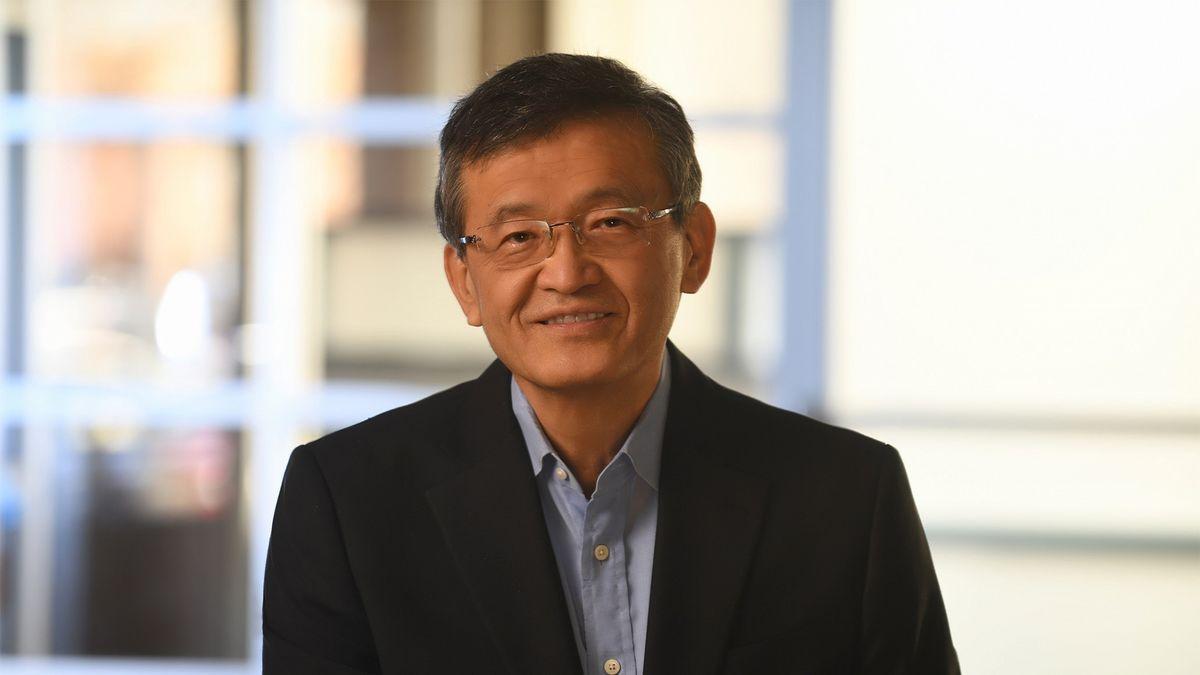
Source: Tom's Hardware
The 18A Process and Its Challenges
The 18A process, initially touted as a "generational leap" for Intel, features advanced technologies such as PowerVia backside power delivery and next-generation RibbonFET transistors
2
. However, despite these innovations, the process has failed to gain traction with external customers. Currently, Intel itself remains the only significant user of the 18A process, with plans to produce Panther Lake CPUs for laptops using this technology in 20251
.Focusing on 14A: A Strategic Gamble
Lip-Bu Tan's proposed strategy involves redirecting resources towards the development and promotion of the 14A process node
1
3
. This next-generation technology is expected to be ready for risk production in 2027 and volume production in 20281
. The move is seen as an attempt to better compete with TSMC's N2 and A16 nodes, potentially giving Intel an edge in securing orders from large customers like Apple or Nvidia1
3
.Financial Implications and Risks
If Intel decides to write off the 18A process, it could face significant financial consequences. The company would need to account for billions of dollars spent on developing the 18A and 18A-P manufacturing technologies
1
2
. This write-off could amount to hundreds of millions or even billions of dollars, potentially upsetting shareholders and impacting future research and development budgets2
3
.Broader Context of Intel's Challenges
This potential shift in strategy comes amid a broader overhaul at Intel. The company posted an $18.8 billion loss in 2024, its first annual deficit since 1986
2
3
. Tan has already implemented several changes since taking over in March, including job cuts, flattening the corporate structure, and reducing operational expenses2
3
.Related Stories

Industry Implications
Source: BNN
Intel's decision could have far-reaching effects on the semiconductor industry. By potentially not offering 18A and 18A-P to external clients, Intel may save on operating costs but miss the opportunity to demonstrate the advantages of its fabrication nodes to a broad range of customers
1
. This move could leave TSMC as the dominant player in advanced chip manufacturing for the next two to three years1
4
.Future Outlook
As Intel considers this strategic shift, the company faces several challenges. Its plans for a new $28 billion chip factory in Ohio have reportedly been pushed back to 2030, raising questions about its ability to lead the U.S. push for domestic semiconductor manufacturing
2
3
. Additionally, the company is exploring the use of competitors' factories for some of its chip production, indicating a potential shift in its manufacturing philosophy2
3
.The final decision on the fate of the 18A process is expected to be made by Intel's board in the coming months, with the complexity of the issue potentially delaying a final verdict until later in the year
1
4
. As Intel navigates these strategic changes, the outcome will likely have significant implications for the company's future and the broader semiconductor industry.References
Summarized by

Navi
[1]
[3]
Related Stories
Intel's Foundry Future Hangs in the Balance: Next-Gen Chipmaking Tech Needs Customer Commitment
25 Jul 2025•Business and Economy
Intel's 18A Chip Production Process Disappoints Broadcom in Recent Tests
04 Sept 2024

Intel CEO bets on agentic AI and foundry revival as chipmaker eyes 10A and 7A process nodes
21 May 2026•Business and Economy

Recent Highlights



Recent Highlights
Today's Top Stories






Don’t drown in AI news. We cut through the noise - filtering, ranking and summarizing the most important AI news, breakthroughs and research daily. Follow topics that matter to you and stay ahead.


