Japan's AI Boom Drives Renewed Interest in Long-Term LNG Deals


3 Sources
[1]
Japan returns to long-term LNG deals on AI boom, national energy plan
TOKYO/SINGAPORE, June 19 (Reuters) - Japan is back in the spotlight for liquefied natural gas producers as the boom in artificial intelligence, rising costs for cleaner energy and a new national energy plan drive appetite for long-term LNG deals. While imports by China, the world's biggest LNG
[2]
Japan seeks gas past 2050, with AI and data centers set to lift demand
Japan is encouraging energy importers to secure liquefied natural gas (LNG) past 2050 -- the deadline the second-biggest buyer of the fossil fuel has set itself for net zero emissions. Several of the country's largest LNG buyers are considering 20-year supply deals with projects that would start
[3]
Japan returns to long-term LNG deals on AI boom, national energy plan
TOKYO/SINGAPORE (Reuters) -Japan is back in the spotlight for liquefied natural gas producers as the boom in artificial intelligence, rising costs for cleaner energy and a new national energy plan drive appetite for long-term LNG deals. While imports by China, the world's biggest LNG importer, are
Share
Copy Link
Japan is returning to long-term LNG contracts due to the AI boom, rising costs for cleaner energy, and a new national energy plan, despite previous efforts to reduce LNG imports.
Japan's Renewed Interest in LNG Amid AI Boom
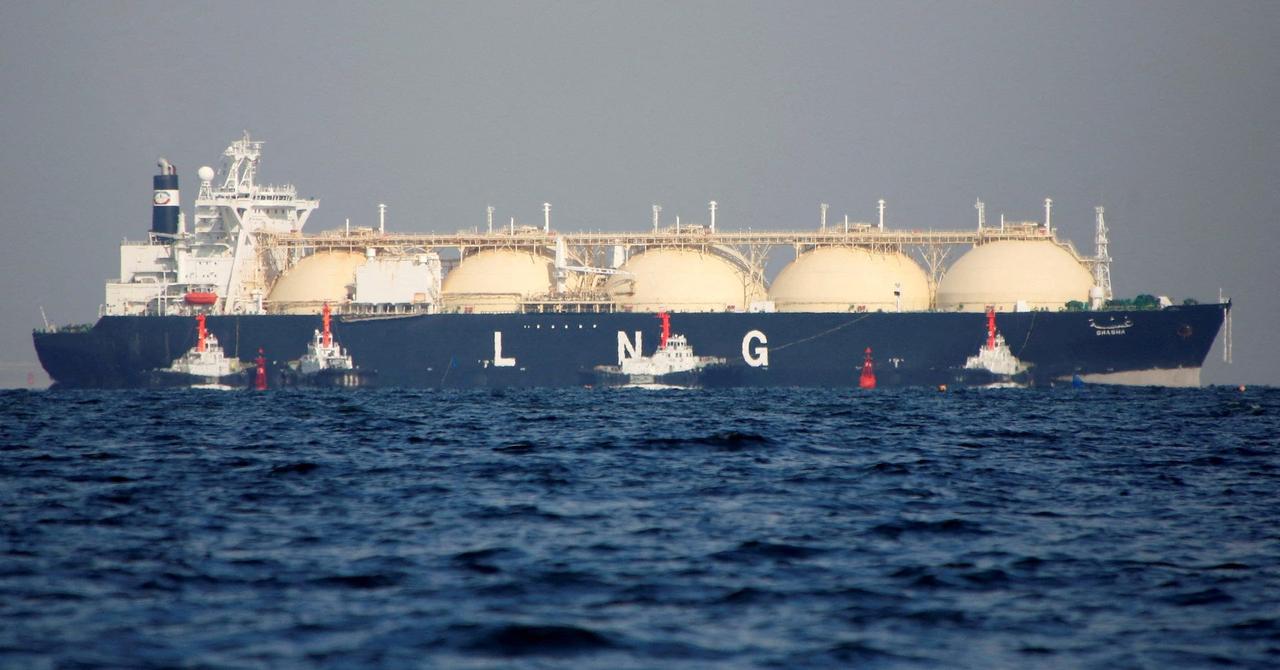
Japan, the world's second-largest liquefied natural gas (LNG) importer, is making a significant shift in its energy strategy by returning to long-term LNG deals. This change is driven by the artificial intelligence (AI) boom, rising costs for cleaner energy alternatives, and a new national energy plan
1
.
Source: Reuters
AI and Data Centers: A Game Changer for Energy Demand
The unexpected surge in power demand from data centers, fueled by the AI boom, is reshaping Japan's energy landscape. Yukio Kani, global CEO of JERA, Japan's top power generator and LNG buyer, stated, "We had expected that electricity demand in Japan would decline, but the growth of data centres is bending that curve"
1
. The International Energy Agency forecasts that consumption by Japan's data centers will soar 80%, or about 15 TWh, by 20301
.Japan's 7th Strategic Energy Plan
In February, Japan released its 7th Strategic Energy Plan, which identifies gas as a realistic transition fuel for the nation's goal of zero net carbon emissions by 2050. The plan describes LNG as "an important energy source even after carbon neutrality"
1
. This policy shift makes it easier for buyers to commit to long-term LNG contracts, according to Takashi Uchida, chairman of the Japan Gas Association1
.LNG Demand Projections
The Ministry of Economy, Trade and Industry (METI) has provided varying scenarios for Japan's future LNG demand:
- If emissions reduction targets are met: 53-61 million tons by 2040
- In a risk scenario with lagging decarbonization technologies: up to 74 million tons by 2040
1
Morgan Stanley projects Japan's LNG imports to rise to 78 million tons by 2030, driven by increased gas-fired power generation amid high costs for solar and wind power
1
.Recent Long-Term LNG Deals
Since the release of the new energy plan, several Japanese companies have secured long-term LNG supply deals:
- Osaka Gas: 15-year pact with Abu Dhabi National Oil Company
- Kyushu Electric Power: Deal with Energy Transfer (first long-term deal with a U.S. supplier)
- JERA: Four 20-year deals with U.S. suppliers NextDecade, Sempra Infrastructure, Cheniere Marketing, and Commonwealth LNG
1
Related Stories

Challenges and Uncertainties
Despite the renewed interest in LNG, uncertainties persist regarding Japan's long-term demand. These uncertainties are tied to questions about the country's ability to meet its carbon neutrality targets and the pace of nuclear plant restarts
1
. To address these concerns, importers are enhancing trading operations and pursuing flexible-term contracts1
.LNG Beyond 2050

Source: Japan Times
Interestingly, Japan is encouraging energy importers to secure LNG supplies even beyond 2050, which is the country's deadline for achieving net-zero emissions. Several large LNG buyers are considering 20-year supply deals with projects starting after 2030, with plans to use technologies like carbon capture and storage to mitigate emissions
2
.Conclusion
Japan's return to long-term LNG deals marks a significant shift in its energy strategy, driven by the AI boom and a pragmatic approach to energy security. As the country navigates the complex landscape of energy transition, LNG is set to play a crucial role in meeting Japan's growing power demands while working towards its carbon neutrality goals.
References
Summarized by

Navi
[3]
Related Stories
Japan Launches $140B AI Infrastructure Push with Dell, JERA to Close Gap with US and China
01 Oct 2026•Technology

Japan Revives Nuclear Power to Meet Climate Goals and Power AI Revolution
19 Oct 2024•Business and Economy

AI Boom to Drive Surge in Energy Demand, Initially Met by Fossil Fuels: Nuclear Expert
12 Dec 2024•Technology

Recent Highlights



Recent Highlights
Today's Top Stories



Don’t drown in AI news. We cut through the noise - filtering, ranking and summarizing the most important AI news, breakthroughs and research daily. Follow topics that matter to you and stay ahead.


