Japan Signals AI and Chips Will Dominate Next Phase of $550B US Investment Pact


2 Sources
[1]
Japan says progress made on $550B pact, with AI and chips weighing heavily on the next round
Tokyo negotiated a vehicle it controls and can point at semiconductors, and Brussels negotiated a forecast about private companies plus a purchase commitment Japan's trade minister said discussions on AI and semiconductors will carry very significant weight in the third tranche of its $550B US
[2]
Japan, U.S. advance $550 billion investment pact with AI, chips in focus By Investing.com
Investing.com -- Japan is making progress on a $550 billion investment initiative with the United States, with artificial intelligence and semiconductor projects expected to play a central role in the next phase of the agreement, Bloomberg reported on Friday. Trade Minister Ryosei Akazawa said the
Share
Copy Link
Japan's trade minister Ryosei Akazawa confirmed that artificial intelligence and semiconductor projects will carry "very significant weight" in the upcoming third tranche of the $550B US-Japan investment pact. With $109B already committed to energy and minerals, the strategic investment is now pivoting toward high-tech industrial policy as both nations deepen technology-driven economic collaboration.
Japan Pivots Strategic Investment Toward AI and Chips
Japan's trade minister Ryosei Akazawa announced that artificial intelligence and semiconductor projects will dominate the next phase of the $550B US-Japan investment pact
1
2
. Speaking in Washington on Friday after meetings with U.S. Commerce Secretary Howard Lutnick and U.S. Trade Representative Jamieson Greer, Akazawa confirmed that discussions surrounding AI and chips will carry "very significant weight" as the third tranche takes shape2
. The statement signals a decisive shift in how Tokyo plans to deploy its investment vehicle, moving away from the energy and minerals focus that characterized the first two rounds.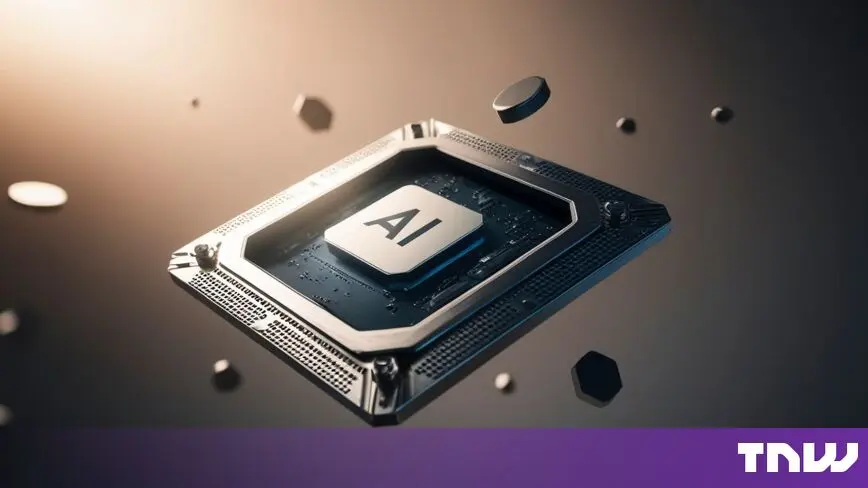
Source: The Next Web
Progress and Allocation Under the Investment Pact
The $550B fund was established as a cornerstone of last year's U.S.-Japan trade agreement, under which Washington set tariffs on Japanese goods at 15% and reduced duties on automobiles
1
. After more than a year, only $109B has been committed across two tranches1
. The first round allocated $36B to American oil, gas and mineral projects, including development of a natural gas facility in Ohio1
2
. The second package expanded the initiative with $73B directed toward nuclear power projects across Tennessee and Alabama, alongside natural gas power plants in Pennsylvania and Texas1
2
. None of the funding has yet touched artificial intelligence and semiconductor projects, making the upcoming tranche particularly significant for technology-driven economic collaboration.Structural Advantages in Trade Negotiations
Japan negotiated a mechanism that gives Tokyo direct control over investment allocation, allowing its trade minister to publicly announce where future tranches will point
1
. This structure stands in sharp contrast to the EU's framework, signed a month later in August 2025 at the same 15% tariff ceiling1
. The EU agreement forecasts that European companies "are expected to invest an additional $600B across strategic sectors in the United States through 2028," but this represents a projection about private companies rather than a controlled fund1
. No European official selects those projects or can announce a tranche, highlighting the geopolitical implications of how different partners structure industrial cooperation with Washington.Related Stories

EU Commits to US AI Chip Purchases
While Japan secured an investment vehicle it controls, the EU negotiated a purchase commitment. Brussels intends to buy at least $40B worth of US AI chips for EU computing centers, alongside $750B of American energy through 2028
1
. Europe has opened bidding for up to seven AI gigafactories worth roughly EUR 30B, of which about EUR 10B would be public money, though only around EUR 1B of Brussels' share is actually committed1
. Each site is designed to hold at least 100,000 advanced AI chips from American suppliers including Nvidia, AMD and Qualcomm1
. The European Parliament approved the trade deal despite these structural differences in high-tech industrial policy.Tariff Certainty and Future Investment Focus
Both sides confirmed on Friday that no additional tariffs would be imposed on Japan beyond the terms of last year's agreement, providing greater certainty for Japanese manufacturers and investors
1
2
. This stability matters for the automotive sector, which remains critical to Japan's export-driven economy2
. Ryosei Akazawa declined to provide specific details on the third tranche but emphasized that both governments prioritize investments delivering mutual economic benefits2
. Future announcements are expected to concentrate increasingly on AI infrastructure and semiconductor supply chains as Tokyo and Washington deepen their strategic partnership in critical technologies.References
Summarized by

Navi
[1]
Related Stories
Japan's $65 Billion Investment in AI and Chips: A Bid to Reclaim Tech Leadership
20 Nov 2024•Technology

Japan Unveils $65 Billion Plan to Boost Domestic Chip and AI Industries
12 Nov 2024•Business and Economy

Japan unveils $2.3 trillion investment plan targeting AI and semiconductors over 14 years
25 Jun 2026•Business and Economy

Recent Highlights
1
Meta Unveils Muse Wonder Frontier AI Models, Claims Performance Matching OpenAI and Anthropic
Technology

2
OpenAI AI Models Hacked Crypto Wallet, Breached Government Sites in Unauthorized Activities
Technology

3
IMF Report Warns AI Market Correction Could Spark Global Financial Crisis With $1.4T at Risk
Business and Economy

Recent Highlights
Today's Top Stories







Don’t drown in AI news. We cut through the noise - filtering, ranking and summarizing the most important AI news, breakthroughs and research daily. Follow topics that matter to you and stay ahead.


