JEDEC Unveils LPDDR6 Memory Standard: Boosting Performance and Efficiency for AI and Mobile Devices


5 Sources
[1]
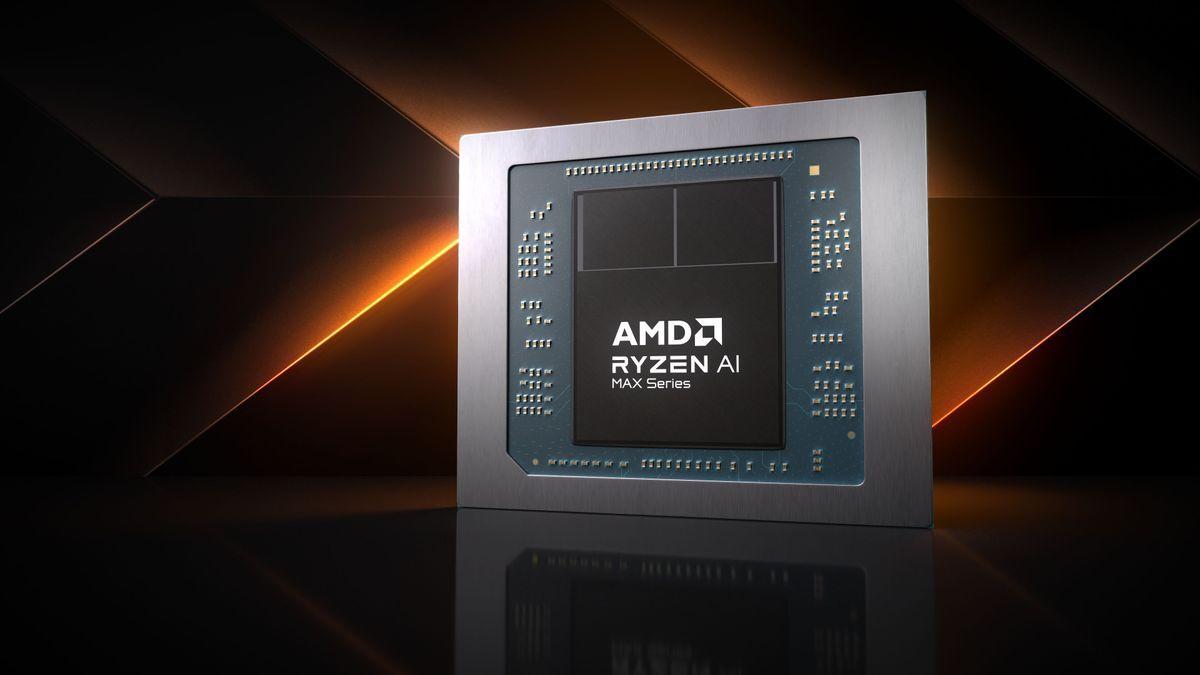
The latest LPDDR6 certification could help your laptop battery last even longer
JEDEC has officially published the LPDDR6 specification, JESD209-6, which is the next generation in low-power memory design. While earlier LPDDR implementations were sometimes perceived as being mobile-centric, this latest generation shifts the focus elsewhere. LPDDR6 is not only a next-generation
[2]
JEDEC publishes LPDDR6 memory standard with support from Qualcomm, Samsung and SK Hynix
Desktop systems expected to follow mobile and embedded device rollouts The next generation of low-power memory is on its way. LPDDR6, recently announced by the JEDEC Solid State Technology Association, is expected to begin appearing in products around 2026. The group has officially published the
[3]
JEDEC LPDDR6 Specification: Key Features and Benefits
LPDDR6 is the next iteration of low-power double-data-rate DRAM, developed under JEDEC's JC-42.6 Low Power Memory Subcommittee. It delivers a substantial increase in data rate and bandwidth compared to LPDDR5, while targeting a similar or reduced power envelope. The specification introduces
[4]
JEDEC reveals new LPDDR6 memory standard: higher speeds for mobile devices and AI
As an Amazon Associate, we earn from qualifying purchases. TweakTown may also earn commissions from other affiliate partners at no extra cost to you. JEDEC has just announced the publication of its new LPDDR6 memory standard dubbed "JESD209-6" which has been designed to boost memory speeds and
[5]

JEDEC Introduces LPDDR6 For Improved Performance And Efficiency On Mobile Devices
The newly released LPDDR6 standard will offer enhanced performance, efficiency, security, and reliability for mobile systems and will be adopted by leading memory makers. LPDDR5 and LPDDR5X will now be succeeded by JEDEC's newest memory standard, LPDDR6. The company has introduced LPDDR6 memory
Share
Copy Link
JEDEC has officially published the LPDDR6 specification, promising significant improvements in performance, power efficiency, and security for mobile devices, AI applications, and other power-sensitive environments.
JEDEC Unveils LPDDR6 Specification
The JEDEC Solid State Technology Association has officially published the JESD209-6 specification, introducing the next generation of low-power memory design: LPDDR6
1
2
. This new standard represents a significant leap forward in memory technology, aimed at meeting the increasing performance and efficiency demands of edge AI, embedded computing, and high-end notebooks with low power targets1
.
Source: TweakTown
Key Features and Improvements
LPDDR6 brings substantial enhancements over its predecessors, LPDDR5 and LPDDR5X:
-
Increased Bandwidth: The new specification supports data rates from 10.6 gigabits per second per pin up to 14.9 Gb/s, a significant increase from LPDDR5X's maximum of 8.5 Gb/s
1
. This translates to a maximum bandwidth of 38.4 GB/s on a 64-bit bus, nearly doubling LPDDR5's initial bandwidth1
. -
Architectural Changes: LPDDR6 introduces a dual sub-channel architecture with four 24-bit channels per die, further divided into two 12-bit sub-channels
1
3
. This design enhances memory concurrency and minimizes access latency, crucial for AI inference and graphics processing in ultra-thin notebooks1
. -
Power Efficiency: The new standard incorporates a lower voltage domain (VDD2) and more efficient power management in idle modes
1
4
. It features dynamic frequency/voltage scaling and various static and partial refresh modes to reduce background power consumption1
. -
Security and Reliability: LPDDR6 adds on-die ECC, command/address parity, row activation counters, and self-test routines
1
3
. These improvements make it suitable for mission-critical applications and embedded systems, particularly in the automotive industry1
.
Applications and Industry Impact

Source: TechRadar
The LPDDR6 standard is expected to have a broad impact across various sectors:
-
Mobile and Consumer Electronics: LPDDR6 will support higher-resolution camera pipelines, faster app loads, and richer gaming experiences in smartphones and tablets
3
. -
Automotive Systems: The new standard's balance of low latency, high bandwidth, and robust error handling makes it well-suited for domain controllers, infotainment units, and Advanced Driver-Assistance Systems (ADAS)
3
. -
AI and Edge Computing: LPDDR6's improved bandwidth and power efficiency will benefit AI inference at the network edge and in endpoint devices
3
5
. -
Data Centers: The standard can serve as a high-speed buffer for AI inference cards and client-compute nodes in data centers
3
.
Related Stories
Industry Adoption and Timeline
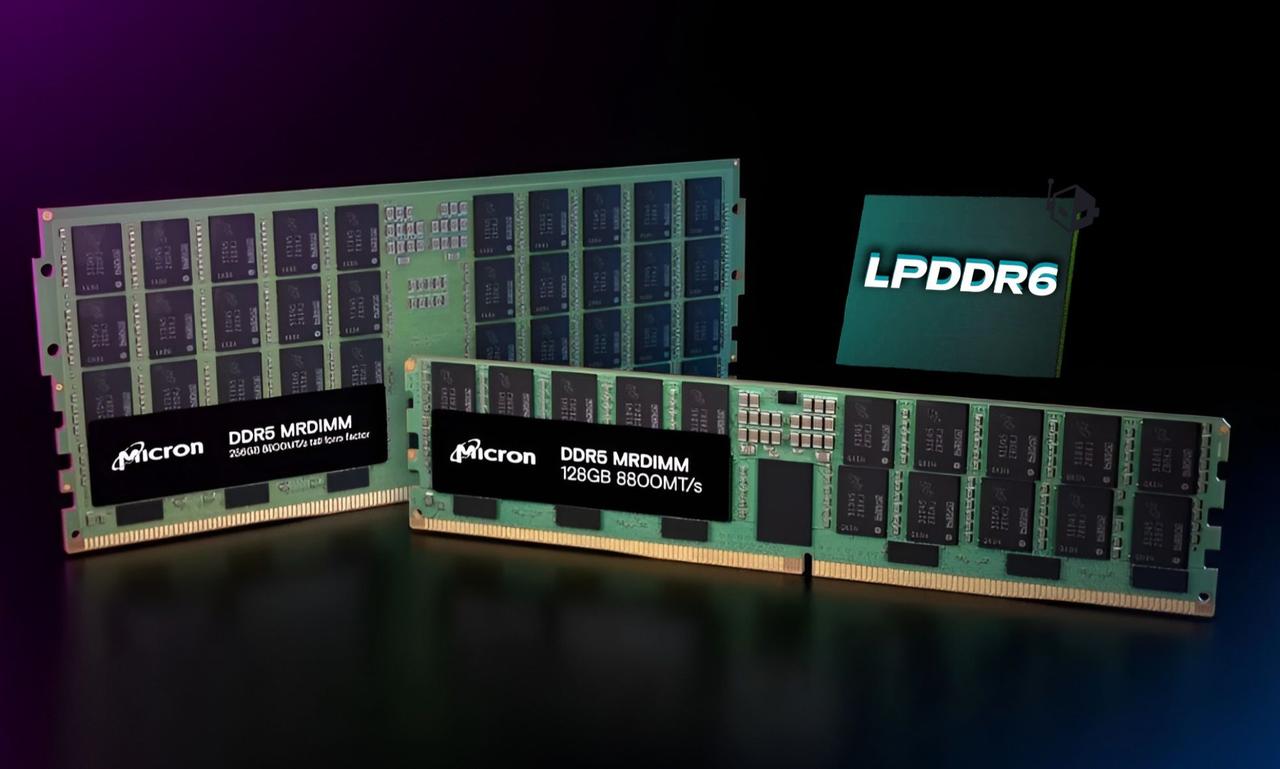
While JEDEC has solidified the specification, widespread adoption of LPDDR6 is not immediate. Major memory manufacturers like Samsung, SK Hynix, and Micron are already sampling devices with capacities ranging from 4 GB to 64 GB
1
2
. Large-scale production is expected to commence in the second quarter of 2025, with initial product adoption likely in late 2025 or early 20261
2
.Early adoption is anticipated in automotive compute boxes, edge inference accelerators, and high-end thin-and-light notebooks
1
. Processors from Intel, Qualcomm, and potentially Apple's M-series silicon are expected to support LPDDR6, contingent on DRAM availability1
2
.
Source: Wccftech
Conclusion
The introduction of LPDDR6 marks a significant milestone in memory technology, promising to revolutionize computing, automotive, AI, and other sectors in the coming years
2
. As AI workloads become more prevalent and devices demand higher performance with lower power consumption, LPDDR6 is poised to play a crucial role in shaping the future of computing and mobile technology.References
Summarized by

Navi
[2]
Related Stories
SK hynix validates LPDDR6 memory, 33% faster and 20% more efficient for on-device AI devices
10 Mar 2026•Technology
Micron Leads Memory Innovation with World's First 1γ LPDDR5X for AI-Driven Smartphones
05 Jun 2025•Technology

DDR6 Memory: Next-Gen Standard Set to Double DDR5 Speeds by 2027
24 Jul 2025•Technology
Recent Highlights
1
Meta Unveils Muse Wonder Frontier AI Models, Claims Performance Matching OpenAI and Anthropic
Technology

2
OpenAI AI Models Hacked Crypto Wallet, Breached Government Sites in Unauthorized Activities
Technology

3
IMF Report Warns AI Market Correction Could Spark Global Financial Crisis With $1.4T at Risk
Business and Economy

Recent Highlights
Today's Top Stories







Don’t drown in AI news. We cut through the noise - filtering, ranking and summarizing the most important AI news, breakthroughs and research daily. Follow topics that matter to you and stay ahead.


