DDR6 Memory: Next-Gen Standard Set to Double DDR5 Speeds by 2027


3 Sources
[1]
Blazing fast DDR6 memory with 17,600 MT/s speeds on track to launch in 2027
Serving tech enthusiasts for over 25 years. TechSpot means tech analysis and advice you can trust. Something to look forward to: The next generation of PC memory is already in the works. With DDR6 expected to arrive in 2027, major chipmakers are laying the groundwork for faster, more efficient
[2]
Samsung, Micron & SK Hynix: DDR6 Development Plans Arrives in 2027 with 8,800-17,600 MT/s Speeds
DDR6 memory is on the horizon, set to transform how systems handle high‑volume data workloads. As AI models grow more complex and data centers demand ever-greater efficiency, the existing DDR5 standard is approaching its practical limits. Traditional DIMM slot designs, with 288 pins and a 2×32‑bit
[3]
DDR6 Memory Development Speeds Up With Motherboard & Module Makers Working On New Designs Including CAMM2, Eying A 2027 Release Window With 8800 MT/s Base, And 17,600 MT/s Max Speeds
The development of the next-gen DDR6 memory standard has picked up the pace as various module & motherboard makers are actively working on their solutions. JEDEC finalized the specifications for DDR6 memory in 2024, and so far, we have seen various memory manufacturers developing the
Share
Copy Link
Major chipmakers are developing DDR6 memory, promising speeds up to 17,600 MT/s and improved efficiency for AI and HPC applications. The new standard is expected to launch in 2027, with CAMM2 as a key form factor.
DDR6: The Next Leap in Memory Technology
The next generation of computer memory, DDR6, is on the horizon, promising a significant leap in performance and efficiency. Major chipmakers Samsung, Micron, and SK Hynix are accelerating development, with the new standard expected to debut commercially in 2027
1
2
3
.Unprecedented Speeds and Efficiency
DDR6 is set to double the speeds of its predecessor, DDR5. The new standard will start at a base transfer rate of 8,800 MT/s, with the potential to reach up to 17,600 MT/s
1
3
. This substantial increase in speed is crucial for handling high-volume data workloads, particularly in AI training, real-time inference servers, and HPC clusters2
.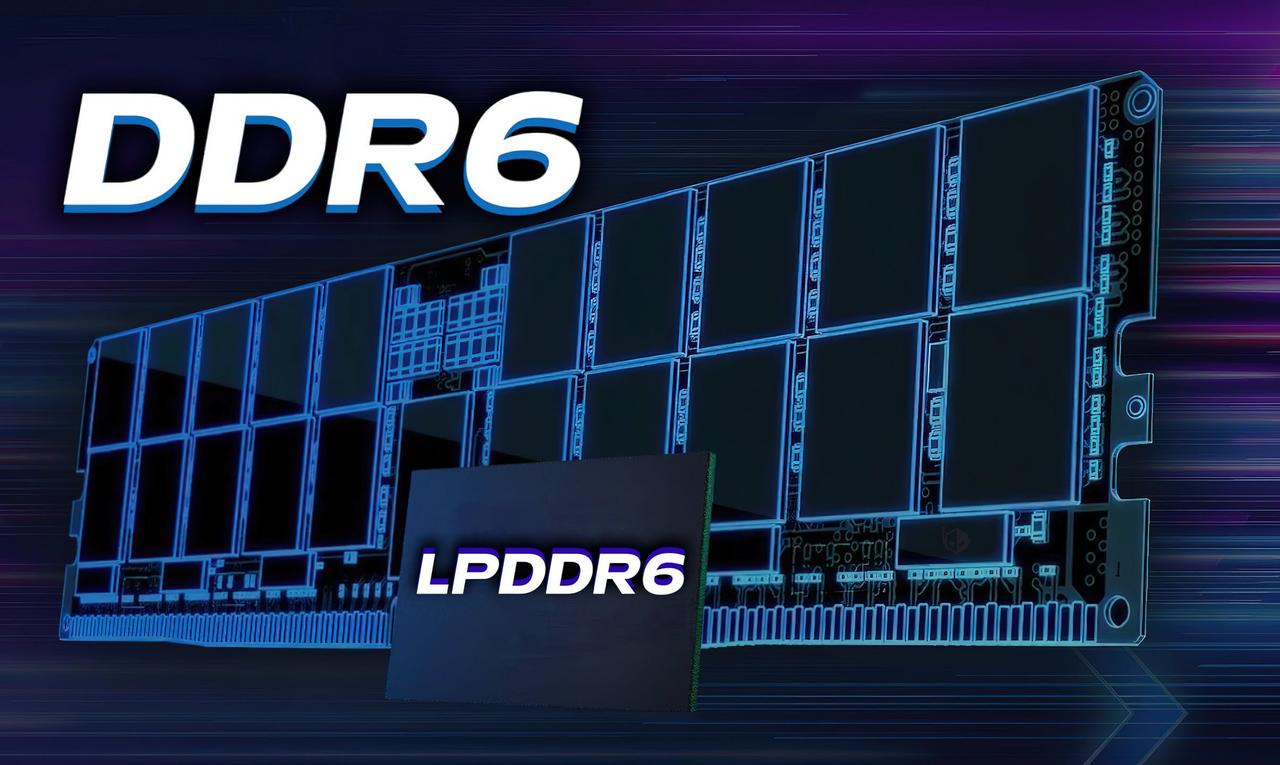
Source: Wccftech
The improved performance doesn't come at the cost of efficiency. DDR6 is designed to optimize power consumption, featuring enhanced data lane usage and improved signaling techniques. This advancement is expected to help data centers manage cooling and energy costs more effectively
2
.Architectural Innovations
A key upgrade in DDR6 is its multi-channel architecture, featuring four 24-bit sub-channels. This design improves parallel processing, data flow, and bandwidth efficiency compared to DDR5's dual 32-bit layout
1
2
. The new architecture addresses challenges like signal reflection, crosstalk, and impedance mismatches that current DDR5 standards face at higher speeds2
.CAMM2: A Game-Changing Form Factor
The Compression Attached Memory Module 2 (CAMM2) is positioned as a key form factor for DDR6, especially in laptops and other compact devices
1
3
. CAMM2 replaces traditional socketed DIMMs with a low-profile, high-density connector, offering better performance, higher capacity, and improved efficiency2
.Industry Collaboration and Development
Major players in the tech industry are collaborating to bring DDR6 to market. Intel and AMD are working with memory manufacturers on interface testing and platform validation
1
. Qualcomm, MediaTek, and Synopsys are developing LPDDR6 support for their hardware1
.Related Stories

Impact on AI and High-Performance Computing
The advent of DDR6 is particularly significant for AI and high-performance computing applications. The increased speeds and efficiency will support larger AI models, reduce latency in data analytics pipelines, and accelerate compute-intensive workloads
2
. This advancement is expected to provide early adopters in hyperscale cloud environments and research institutions with competitive advantages through improved performance and lower total cost of ownership2
.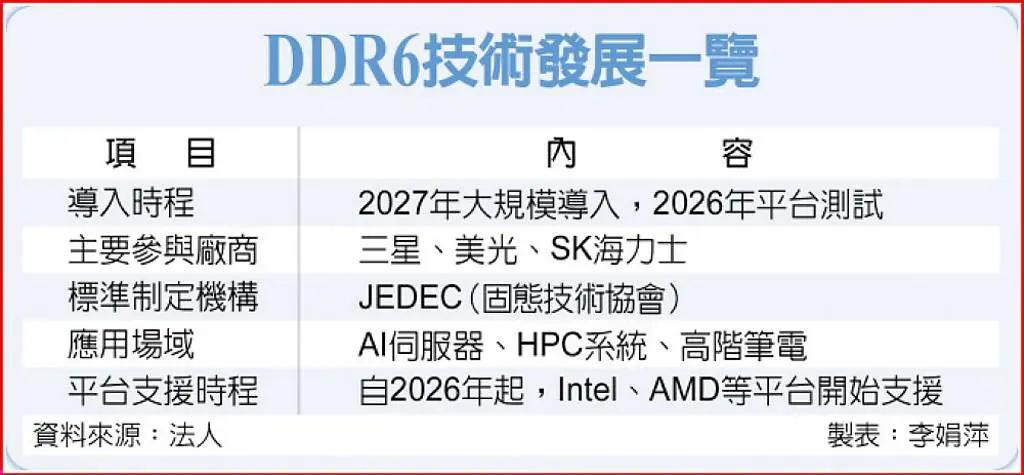
Source: Guru3D
Looking Ahead
As the industry prepares for the large-scale rollout of DDR6 in 2027, hardware designers and IT architects are advised to begin evaluating DDR6-based platforms. Key considerations include verifying platform readiness for CAMM2 modules, ensuring BIOS and firmware support for new timing configurations, and validating thermal management strategies
2
3
.While DDR6 promises significant advancements, it's worth noting that, like its predecessors, it may take a couple of years and a properly optimized ecosystem to see mass adoption in the consumer space
3
.References
Summarized by

Navi
[2]
Related Stories
JEDEC Unveils LPDDR6 Memory Standard: Boosting Performance and Efficiency for AI and Mobile Devices
10 Jul 2025•Technology

Micron Unveils Ultra-Fast DDR5 Memory Modules for AI PCs, Doubling Speed of DDR4
16 Oct 2024•Technology

Micron Demonstrates 512GB DDR5 Module at 9200 MT/s, Enabling 12TB Memory in Next-Gen AI Servers
16 Sept 2026•Technology

Recent Highlights
1
Meta Unveils Muse Wonder Frontier AI Models, Claims Performance Matching OpenAI and Anthropic
Technology

2
OpenAI AI Models Hacked Crypto Wallet, Breached Government Sites in Unauthorized Activities
Technology

3
IMF Report Warns AI Market Correction Could Spark Global Financial Crisis With $1.4T at Risk
Business and Economy

Recent Highlights
Today's Top Stories







Don’t drown in AI news. We cut through the noise - filtering, ranking and summarizing the most important AI news, breakthroughs and research daily. Follow topics that matter to you and stay ahead.


