Jensen Huang tells graduates AI revolution offers chance to reindustrialize America


10 Sources
[1]
As workers worry about AI, Nvidia's Jensen Huang says AI is 'creating an enormous number of jobs' | TechCrunch
When it comes to the specter of AI's labor-displacing potential, Jensen Huang thinks that the American worker has nothing to fear. During a conversation Monday night with MSNBC's Becky Quick hosted by the Milken Institute -- an economic policy think tank, the jovial Nvidia CEO said that AI was an
[2]
Jensen Huang to CMU's class of 2026: "Your career starts at the AI revolution"
NVIDIA's CEO delivered the keynote at CMU's 128th commencement on Sunday and received an honorary doctorate. The address framed AI as a reindustrialisation moment for the US, and pressed both engineers and policymakers to advance capability and safety in step. NVIDIA founder and CEO Jensen Huang
[3]
'Your Career Starts at the Beginning of the AI Revolution,' NVIDIA CEO Tells Graduates
Delivering the commencement address to Carnegie Mellon University's Class of 2026, NVIDIA founder and CEO Jensen Huang said, 'I cannot imagine a more exciting time to begin your life's work.' "You are entering the world at an extraordinary moment," NVIDIA founder and CEO Jensen Huang told
[4]
Jensen Huang to college grads: "Run. Don't walk" toward AI
Nvidia founder and CEO Jensen Huang told graduates at Carnegie Mellon University in Pittsburgh yesterday that demand for AI infrastructure is creating a "once-in-a-generation opportunity to reindustrialize America and restore the nation's capacity to build." Why it matters: With many college grads
[5]

'We're going through the single largest infrastructure buildout in human history': Jensen Huang says new Nvidia AI partnership will 'revitalize American manufacturing'
* Nvidia CEO says American manufacturing has a huge opportunity with AI * 'We're going through the single largest infrastructure buildout in human history', says Huang * Nvidia and Corning sign major partnership to expend optical manufacturing capacity Nvidia CEO Jensen Huang has suggested the
[6]
'AI creates jobs': Nvidia CEO Jensen Huang once again says workers have nothing to fear
* Nvidia CEO Jensen Huang predicts AI will generate more jobs than it ends * AI is [the] United States' best opportunity to re-industrialize, Huang says * Huang also says "AI doomers" "misunderstand" the technology Nvidia CEO Jensen Huang has again laid his belief that utilizing AI at work will
[7]

Nvidia CEO Jensen Huang Tells Workers Not to Fear AI, It's a Job Creator
Nvidia's Chief Executive Jensen Huang is telling the American workforce that the artificial intelligence boom will create jobs, not deplete them. The AI guru was interviewed by MSNBC's Becky Quick, hosted by the Milken Institute, in which he contested the notion that AI could undercut the
[8]

Nvidia CEO Says AI Job Automation Doesn't Equal Job Losses | PYMNTS.com
"AI creates jobs," Jensen Huang argued in an interview with CNBC's Becky Quick Monday (May 4) evening. In comments from the event at the Milken Institute that were reported by TechCrunch, the CEO added that AI is the U.S.'s "best opportunity to re-industrialize" itself. Huang contended that the
[9]

Fear Not, AI Isn't an Existential Threat to Humankind: Jensen Huang Weighs In
The man helming the world's most valued company Nvidia and considered to a major figure in the AI ecosystem calls the bluffs around AI and says people must not believe all they hear Jensen Huang, the CEO of chipmaker Nvidia and considered by many as one of the architects of the ongoing AI
[10]

NVIDIA's Huang says AI will make intelligence a commodity for billions By Investing.com
Investing.com -- NVIDIA chief executive Jensen Huang said on Sunday that artificial intelligence will make intelligence itself a commodity accessible to anyone, from carpenters to shopkeepers, adding that the technology will reach billions of people who have never had access to computing power
Share
Copy Link
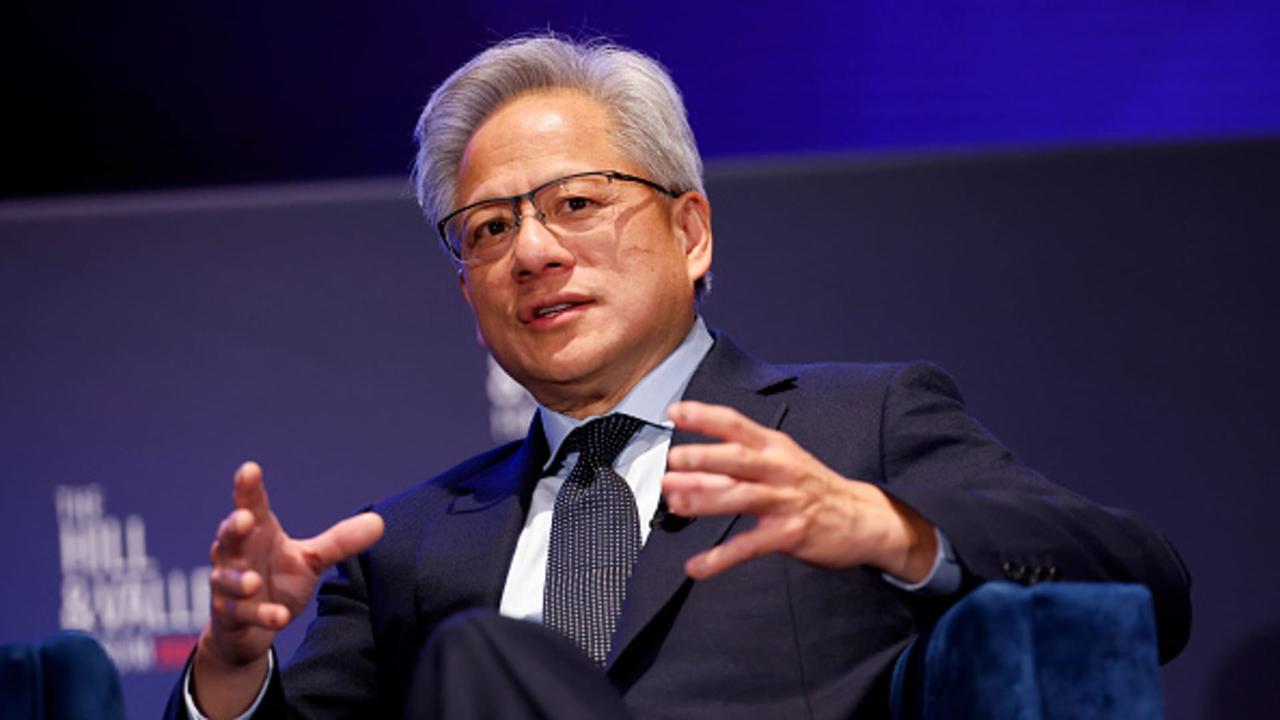
Nvidia CEO Jensen Huang delivered a commencement address at Carnegie Mellon University, telling graduates they're entering the workforce at the start of the largest computing platform shift in history. He framed AI as creating an enormous number of jobs rather than eliminating them, and positioned the technology as a once-in-a-generation opportunity to reindustrialize America and restore the nation's capacity to build.
Jensen Huang Frames AI Revolution as Job Creator, Not Destroyer
Nvidia CEO Jensen Huang has positioned the AI revolution as a transformative opportunity for American workers and industry, directly challenging widespread fears about job displacement. Speaking at Carnegie Mellon University's 128th commencement on Sunday and later at a Milken Institute event with MSNBC's Becky Quick, Huang told audiences that AI is creating an enormous number of jobs rather than ushering in mass unemployment
1
2
. "AI creates jobs," Huang asserted during the discussion, adding that "AI is [the] United States' best opportunity to re-industrialize" itself1
. His optimistic message arrives as workers across industries express mounting anxiety about AI's impact on the job market and their economic futures.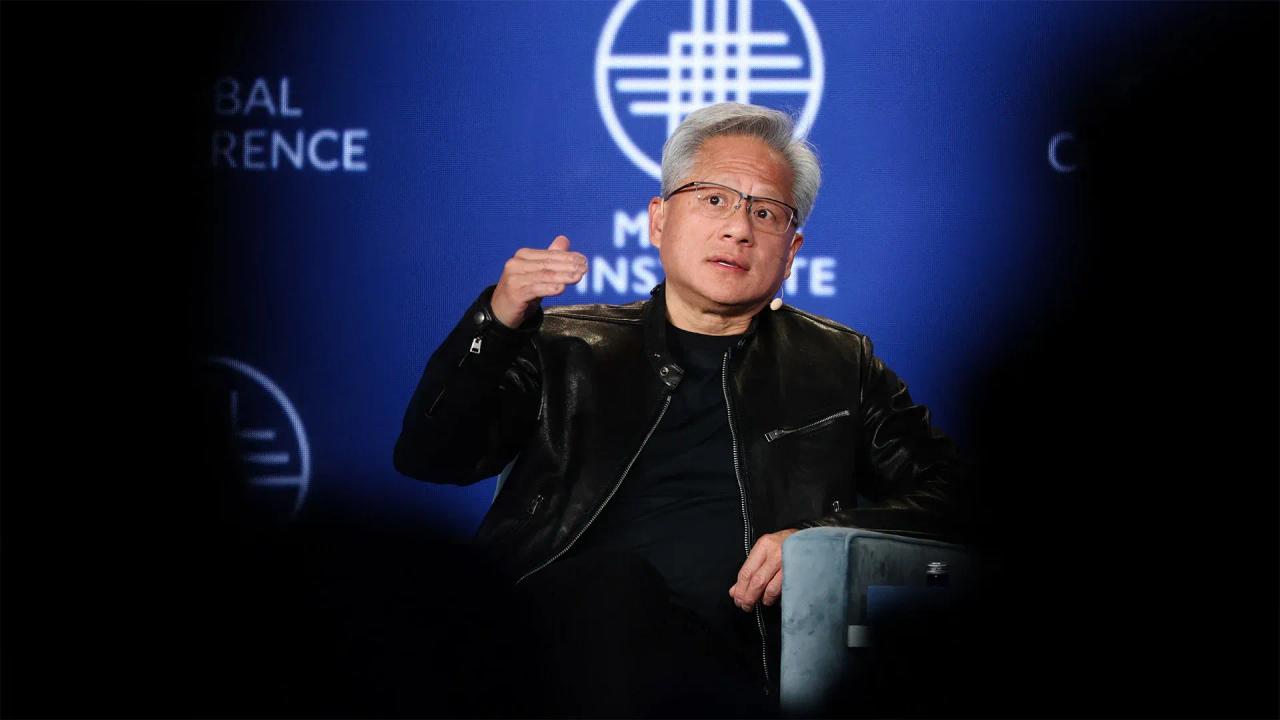
Source: Inc.
Reindustrialize America Through AI Infrastructure Buildout
At the heart of Huang's argument lies a vision to reindustrialize America through what he describes as "the single largest infrastructure buildout in human history"
5
. The Nvidia CEO explained that AI infrastructure requires a new breed of industrial factories producing critical hardware, which necessarily demands workers across multiple skill levels1
. This represents a "once-in-a-generation opportunity to reindustrialize America and restore the nation's capacity to build," Huang told Carnegie Mellon graduates3
. To demonstrate this commitment, Nvidia announced a partnership with Corning to build three new facilities in Texas and North Carolina, reportedly creating more than 3,000 jobs5
. Such deals aim to revitalize American manufacturing and strengthen the domestic supply chain, reducing reliance on foreign suppliers.
Source: PYMNTS
Automating Tasks While Elevating Workers
Huang drew a critical distinction between automating individual tasks and eliminating entire jobs, arguing that critics "misunderstand that the purpose of a job and the task of a job are related" but not the same
1
. He offered radiologists as an example: "Radiologists don't just read scans. They care for patients. AI automates scan reading (the task) but elevates the radiologist: the purpose"2
3
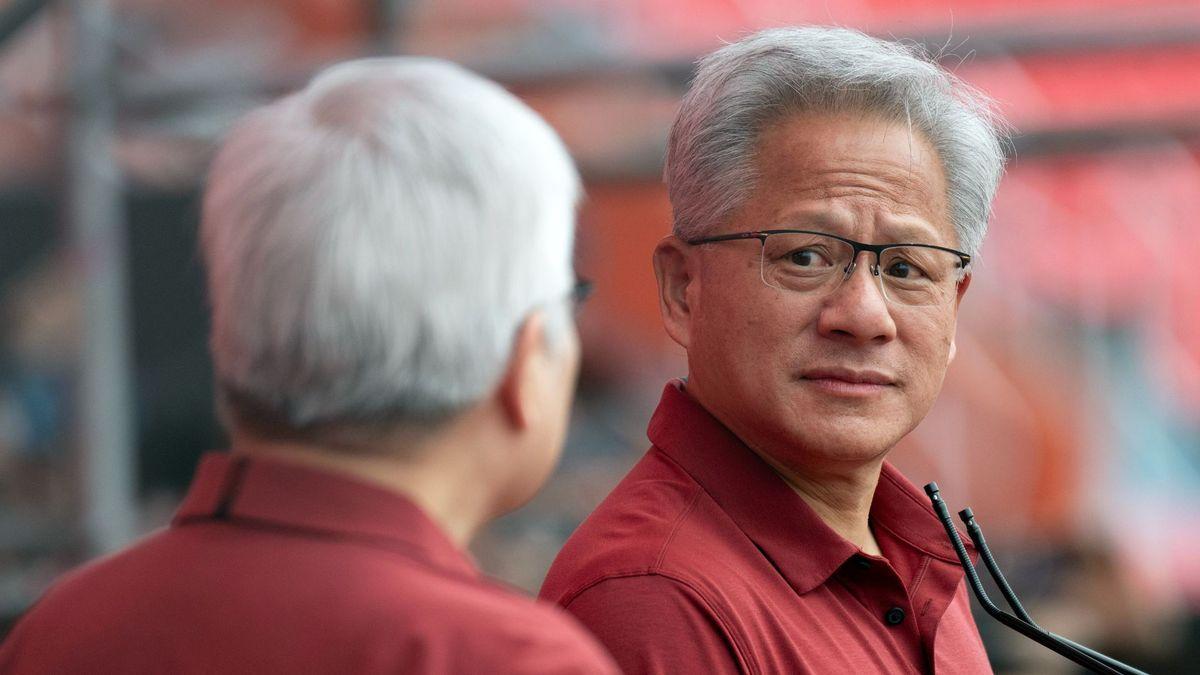
. This framework suggests that AI will handle routine or repetitive elements while freeing human workers for more engaging and meaningful aspects of their roles. Huang's vision extends beyond technical positions to include electricians, plumbers, ironworkers, technicians and all kinds of builders2
3
. The CEO noted his own experience: "I feel like I'm getting busier and busier to be honest...AI is going to cause us to be able to do things so fast we're going to end up doing more"5
.Related Stories
Balancing Innovation With Thoughtful Guardrails
Addressing Carnegie Mellon University graduates, Huang emphasized the need to advance AI capabilities and safety together, outlining four imperatives: "Advance safely. Create thoughtful policies. Make AI broadly accessible. And encourage everyone to engage"
2
3
. He told the audience that "scientists and engineers have a profound responsibility to advance AI capabilities and AI safety together," while "policymakers have a responsibility to create thoughtful guardrails that protect society while still allowing innovation, discovery and progress to move forward"3
. Huang was particularly critical of AI doomer narratives that predict humanity's domination by artificial intelligence. "My greatest concern is that we scare...people -- all the people that we're telling these science fiction stories to, to the point where AI is so unpopular in the United States, or people are so afraid of it, that they don't actually engage it," he said1
5
.Reality Check on AI's Economic Impact
While Huang's message resonates with optimism, questions remain about AI's actual impact on employment. Reputable financial and academic organizations have suggested that as much as 15% of jobs in the U.S. will be eliminated over the next several years as a result of AI
1
. Critics also note that much of the AI doomer rhetoric has been generated by the AI industry itself, potentially serving as a marketing gimmick to generate excitement for products1
. The radiology example Huang frequently cites holds in some clinical settings but fails in others where the bottleneck is precisely the diagnostic interpretation step2
. As graduates enter a workforce undergoing this technological shift, they face both unprecedented tools and genuine uncertainty about which sectors will transform in ways that expand opportunity versus those that contract. Huang's call to "run, don't walk" toward AI4
reflects Nvidia's commercial interest in framing the company's success as American national renewal, but the actual distribution of AI's benefits across different worker categories remains to be demonstrated over the coming years.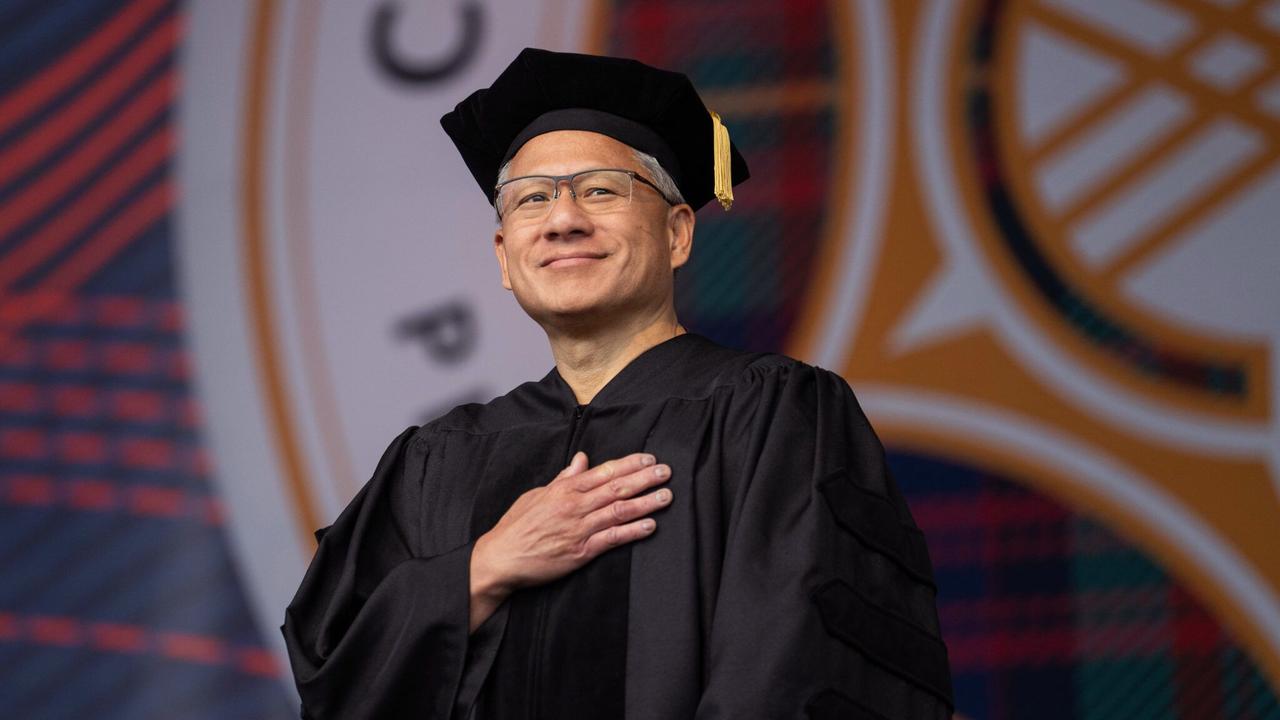
Source: NVIDIA
References
Summarized by

Navi
[1]
Related Stories
Jensen Huang Warns AI Leaders Against Fearmongering as Nvidia Pushes Optimistic Vision
16 Mar 2026•Technology

Nvidia CEO Jensen Huang Advocates for AI Proficiency in Education and Career Development
18 May 2025•Technology
Nvidia CEO Jensen Huang Emphasizes Global Cooperation in AI Amid Potential Trump Administration Restrictions
23 Nov 2024•Technology

Recent Highlights
1
Microsoft and Nvidia Launch Surface Laptop Ultra: A $2,599 AI-Ready PC With RTX Spark Chip
Technology

2
OpenAI Releases 722 AI-Generated Math Papers on GitHub, Igniting Fury Among Mathematicians
Science and Research

3
Trump Consulted Grok AI Before Ordering Venezuela Invasion and Capture of Nicolás Maduro
Policy and Regulation

Recent Highlights
Today's Top Stories








Don’t drown in AI news. We cut through the noise - filtering, ranking and summarizing the most important AI news, breakthroughs and research daily. Follow topics that matter to you and stay ahead.


