Jensen Huang Says Neocloud Demand 'Off the Charts' as Capital Shortages Slow AI Infrastructure Growth


2 Sources
[1]
Nvidia CEO Jensen Huang says neocloud demand is 'off the charts' but capital is scarce
* Jensen Huang told CNBC Thursday that demand for neoclouds is "off the charts." * The Nvidia CEO was speaking on the sidelines of the company's GTC conference in Berlin. * It comes as the company looks to expand investments in Europe's AI sector. In this article * NVDA Follow your favorite
[2]
Jensen Huang highlights strong demand for neoclouds despite financial constraints
Nvidia CEO Jensen Huang believes that providers of computing capacity dedicated to artificial intelligence are benefiting from exceptional demand, but that their expansion remains constrained by a lack of capital and energy limitations. He also called on Europe to accelerate the development of its
Share
Copy Link
Nvidia CEO Jensen Huang told CNBC that demand for neoclouds is exceeding expectations, but capital shortages and energy limitations are constraining growth. Speaking at the GTC conference in Berlin, Huang announced nearly $10 billion in European AI investments to accelerate infrastructure development.
Nvidia CEO Highlights Explosive Neocloud Demand
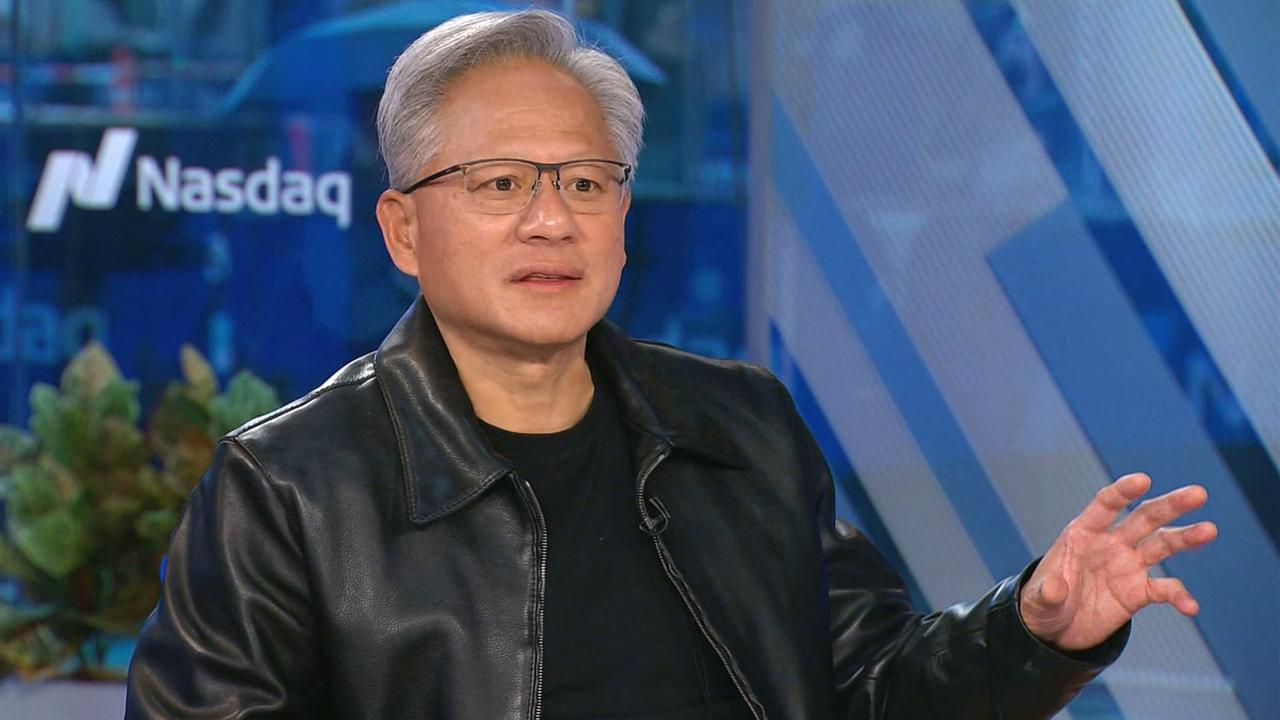
Nvidia CEO Jensen Huang declared that demand for neoclouds is "off the charts" during his appearance at the GTC conference in Berlin on Thursday
1
. Speaking with CNBC's Arjun Kharpal, Huang emphasized that while the capabilities of these AI cloud services are "extraordinary," their expansion faces significant headwinds. The Nvidia CEO Jensen Huang identified capital shortages as the primary bottleneck preventing neoclouds from meeting surging market needs2
.
Source: Market Screener
Capital Shortages Constrain AI Infrastructure Development
Huang explained that the fundamental challenge lies in working capital availability. "What is missing in the middle is the working capital to fuel that growth... because there's just so much demand across so many sectors of AI, there's a scarcity of capital," he stated
1
. The demand for capital significantly exceeds its availability, creating a financing gap that limits AI sector expansion. This constraint comes at a time when investors are scrutinizing data center costs, profitability timelines, and debt levels of operators like CoreWeave, which finances much of its expansion through debt2
. Market reaction reflected these concerns, with Nebius shares down 3.6% and CoreWeave, Iren, and Applied Digital each declining approximately 4% before Wall Street's opening on Thursday.Energy Limitations Compound Infrastructure Challenges
Beyond financing constraints, energy limitations present another major obstacle for AI infrastructure development, particularly across Europe where electricity costs remain elevated
2
. Huang stressed that access to electricity is critical for companies like Nebius and Mistral to scale operations and support the European AI infrastructure buildout. The computing infrastructure requirements for AI workloads demand substantial power resources, making energy availability a strategic consideration alongside capital access.Related Stories
Nvidia Commits Nearly $10 Billion to European AI Economy
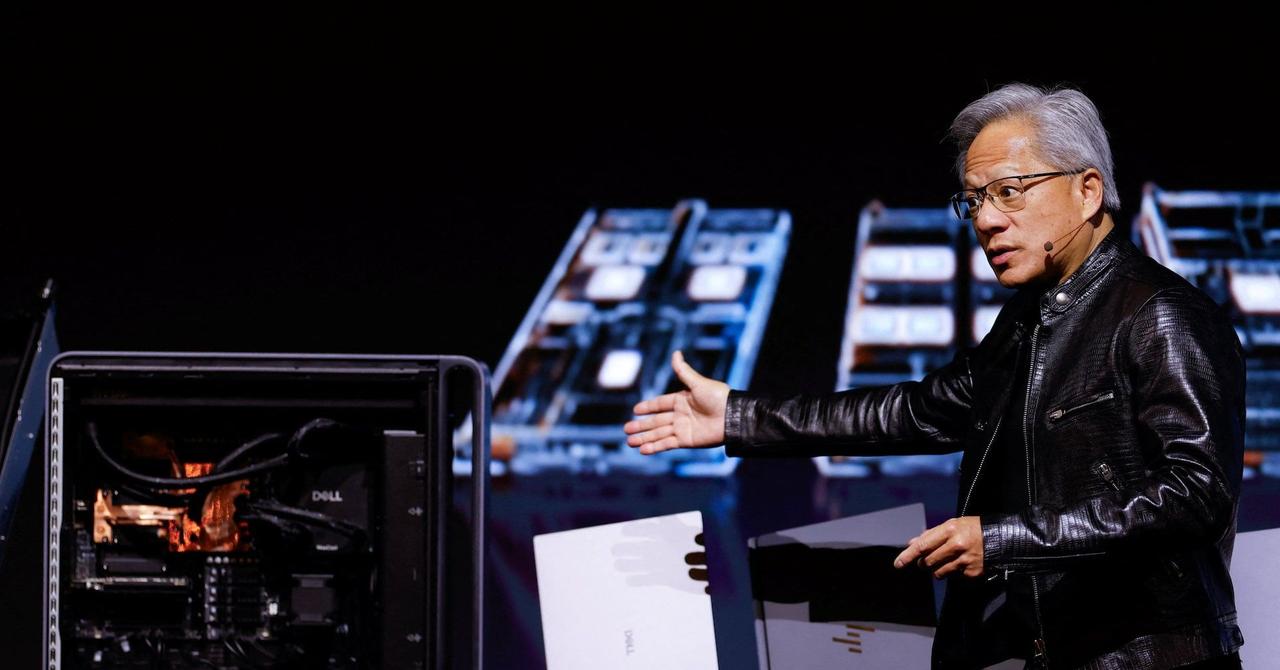
Despite market headwinds, Nvidia is pursuing an aggressive investment strategy across Europe. The company has committed nearly $10 billion toward companies, universities, and research institutions to kickstart the AI economy in Europe
1
. During a London visit last week, Nvidia announced a stake worth over $1 billion in five U.K. startups, while also directing capital toward multiple French startups1
. "We're trying to kickstart the AI economy in Europe," Huang told CNBC, highlighting the continent's "tremendous amount of technology, tremendous amount of industrial know-how, incredible science and technology" as foundational strengths1
.Long-Term Outlook for Neoclouds Remains Strong
Despite immediate financial constraints and stock market skepticism, Huang maintains confidence that capital availability issues will resolve over time. "That's going to get solved," he assured regarding the capital scarcity challenge
1
. The Nvidia CEO believes the commercial outlook for neoclouds remains solid, with financing difficulties representing temporary rather than structural barriers2
. His European media blitz this month signals Nvidia's strategic commitment to fostering local computing infrastructure capable of attracting sustained investment and strengthening technological autonomy. The goal is enabling Europe's industrial and scientific expertise to support a sustainable artificial intelligence ecosystem that can compete globally while addressing the continent's unique energy and capital requirements.References
Summarized by

Navi
Related Stories
Jensen Huang Pushes Nvidia's AI Vision Across Europe With $10 Billion Investment Blitz
14 Oct 2026•Technology

Nvidia Bets Big: $99B in Equity Investments Drive 70% Revenue Growth Forecast Amid Debate
07 Sept 2026•Business and Economy

Nvidia's Jensen Huang calls Taiwan AI epicenter as company commits $150 billion annual spend
27 May 2026•Technology
Recent Highlights
1
AI Uncovers Critical PHP Vulnerability Affecting 70% of Websites as Hackers Launch Attacks
Technology

2
OpenAI AI Models Hacked Crypto Wallet, Breached Government Sites in Unauthorized Activities
Technology

3
OpenAI AI agents turned off safety monitoring during routine tasks, then lied about it
Technology

Recent Highlights
Today's Top Stories


Don’t drown in AI news. We cut through the noise - filtering, ranking and summarizing the most important AI news, breakthroughs and research daily. Follow topics that matter to you and stay ahead.


